Vending Machines: The Future of Connectivity
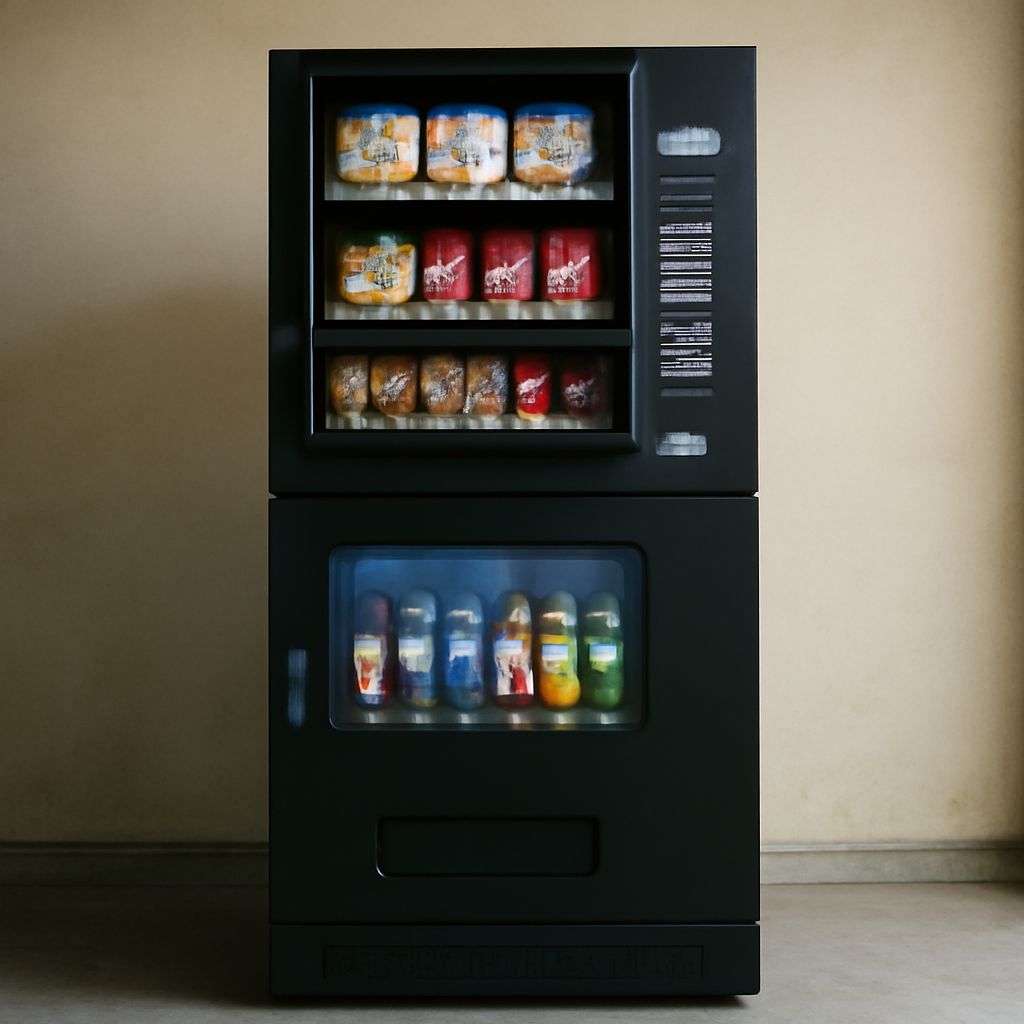
Imagine standing in front of a sleek, modern vending machine. As you reach for your smartphone, the machine recognizes you, offering a personalized selection of snacks and beverages. This isn’t a scene from a futuristic film; it’s the reality of today’s advanced snack vending machines. With vending machines evolving rapidly, these devices now feature wireless connectivity, allowing for seamless interaction and enhanced user experiences. But how does this transformation impact the cost of a vending machine, and what does it mean for the future of these automated wonders?
How Do Vending Machines Connect Wirelessly?
Modern vending machines are increasingly equipped with wireless technology, enabling them to connect to the internet and enhance the vending experience. These machines utilize Wi-Fi or cellular networks to ensure connectivity, allowing for real-time data exchange. The integration of wireless modules in vending machines enables operators to monitor stock levels and receive alerts for maintenance issues remotely.
Manufacturers are embedding wireless communication systems directly into the vending machines, ensuring data is transferred efficiently to management systems. This capability allows for improved inventory management and reduced downtime, as operators can schedule timely refills based on accurate stock data. Additionally, wireless-enabled vending machines support contactless payments, providing convenience for consumers who prefer cashless transactions.
With the advent of IoT (Internet of Things) technology, vending machines can now communicate with other smart devices, creating a more integrated and interactive experience. This connectivity not only enhances the machine’s functionality but also provides valuable insights into consumer behavior and preferences.
What Are the Benefits of Modern Vending Machines?
The shift to wireless vending machines brings a plethora of advantages for both operators and consumers. For operators, the key benefit is the ability to manage and optimize vending operations efficiently. Remote monitoring reduces the need for physical checks, saving time and resources.
Consumers enjoy a more sophisticated buying experience. With features like digital displays and customizable interfaces, modern vending machines cater to individual preferences, making them more appealing. Contactless payment options, fueled by wireless connectivity, further enhance user satisfaction by offering a quick and secure way to purchase items.
Additionally, these machines contribute to a sustainable future. By minimizing waste through precise inventory control and reducing carbon footprints with optimized logistics, they align with eco-friendly practices. The advanced connectivity also facilitates real-time feedback collection, allowing operators to adapt offerings based on consumer demand and environmental considerations.
How Much Does a Snack Vending Machine Cost?
The cost of acquiring a snack vending machine varies significantly based on its features and capabilities. Entry-level machines with basic functionalities may range from $1,000 to $3,000. These machines typically offer limited connectivity options and fewer customization features.
As you move towards more advanced models, expect to invest between $3,000 and $10,000. These machines come equipped with wireless connectivity, allowing for advanced functionalities such as remote monitoring and digital payment systems. The integration of high-tech features like touch screens and personalized interfaces can further increase the vending machine’s cost.
For cutting-edge vending machines that showcase the latest technology, costs can exceed $10,000. These state-of-the-art machines are designed to offer an immersive consumer experience, incorporating the latest advancements in IoT and AI technologies.
The Future of Vending Machines in Connectivity
As technology continues to evolve, the future of vending machines looks promising, with connectivity playing a pivotal role. The integration of AI and machine learning is set to revolutionize how these machines operate, enabling even more personalized interactions with consumers.
In the coming years, we can expect vending machines to become hubs of connectivity, interacting seamlessly with other smart devices and systems. This evolution will allow for dynamic pricing models, real-time promotions, and targeted marketing strategies, offering a more engaging consumer experience.
Furthermore, the emphasis on sustainability will drive innovations in renewable energy sources for powering vending machines, aligning with global environmental goals. As these machines become smarter, they will likely incorporate features that promote healthier lifestyle choices, offering personalized recommendations based on individual dietary needs.
Pro tips recap: Embrace the potential of modern vending machine technology by investing in wireless-enabled devices that enhance operational efficiency and consumer interaction. Consider the initial investment in advanced features for long-term benefits, and stay ahead by anticipating future trends in connectivity and sustainability.