Steno Keyboard: The Ultimate Guide
Imagine you’re in a bustling courtroom, the judge’s gavel hits, and the atmosphere is electric with anticipation. Amid the commotion, you glance at the court reporter, fingers flying over a peculiar-looking keyboard. This is not your standard typing machine; it’s a steno keyboard, the very heart of stenography. Stenographers wield these powerful tools, also known as a stenotype machine or stenographer machine, to transcribe words as rapidly as they’re spoken, ensuring every detail is captured with precision. Whether in legal settings or live TV broadcasts, you might wonder how this fascinating stenography keyboard works its magic.
What is a Steno Keyboard?
At its core, a steno keyboard is a specialized device designed for capturing spoken words in real-time. Unlike conventional keyboards, stenotype keyboards use a combination of keys pressed simultaneously, representing sounds, syllables, or whole words. This unique design allows for higher efficiency and speed, crucial in environments where every second counts.
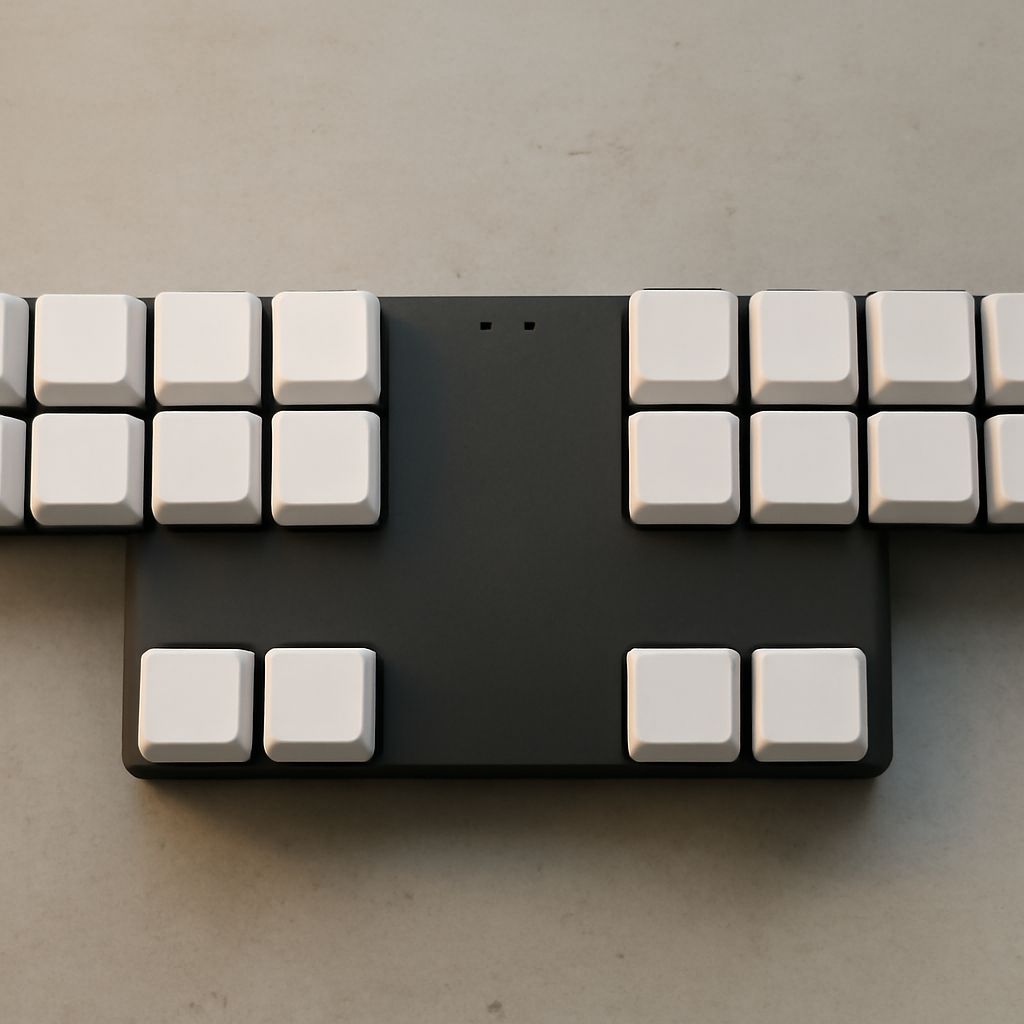
These keyboards have minimal keys compared to regular ones, focusing on rapid input through a chorded approach. By striking multiple keys at once, a stenographer can represent complex words and phrases quickly. Stenographer machines are pivotal in various transcription settings where speed and accuracy are essential.
How Does a Stenography Keyboard Work?
Stenography keyboards operate on a concept known as chorded typing. This means that instead of typing individual letters, the operator presses multiple keys to form sounds and words. The most remarkable aspect is its ability to capture entire words or syllables with a single stroke, drastically reducing keystrokes.
The layout of a stenography keyboard is distinctive. It comprises fewer keys arranged to facilitate rapid chord typing, enabling the transcriptionist to maintain pace with fast speech. Learning to use this keyboard requires training, as users must become adept at recognizing sound patterns and translating them into specific key combinations.
Differences Between Stenotype Machine and Stenographer Machine
While the terms stenotype machine and stenographer machine are often used interchangeably, subtle differences exist. A stenotype machine typically refers to the actual keyboard device used in professional settings like courtrooms. In contrast, a stenographer machine may encompass additional functionalities, including computerized transcription capabilities.
Stenotype machines are primarily mechanical, focusing on speed and manual input. On the other hand, stenographer machines might integrate digital technologies, automatically converting shorthand input into readable text. Both serve the essential purpose of capturing spoken word efficiently but cater to different needs and technological advances.
Who Uses Stenography Keyboards?
Stenography keyboards are indispensable tools for a variety of professionals. Court reporters are perhaps the most recognizable users, relying on stenotype machines to create accurate legal records. These devices also find use in closed captioning services for television broadcasts, ensuring accessibility for hearing-impaired audiences.
Additionally, stenographers are employed in business settings for transcribing meetings and conferences. The ability to deliver precise transcripts quickly is crucial in maintaining accurate records. As technology advances, more industries recognize the value of stenography machines in enhancing their communication processes.
Benefits of Using a Steno Keyboard
The primary advantage of employing a steno keyboard is speed. These devices allow users to transcribe hundreds of words per minute, far surpassing traditional typing methods. This capability is vital in settings where real-time documentation is necessary.
Accuracy is another significant benefit. The dedicated training stenographers undergo ensures high levels of precision, essential for legal and professional environments. Furthermore, the efficiency of a stenography keyboard reduces fatigue, as fewer keystrokes are needed to produce the same amount of text.
Finally, using stenography equipment can lead to career advancement. Mastery of this skill opens doors to specialized roles in various sectors, ranging from legal to media industries, where proficient transcription is highly valued.
Next steps: Mastering a steno keyboard involves practice and dedication. Aspiring users should seek formal training and engage in regular practice to hone their skills. With time, proficiency can lead to exciting career opportunities, setting you apart as an expert in rapid transcription.