Pitch Detector: Understanding Wireless Note Detection
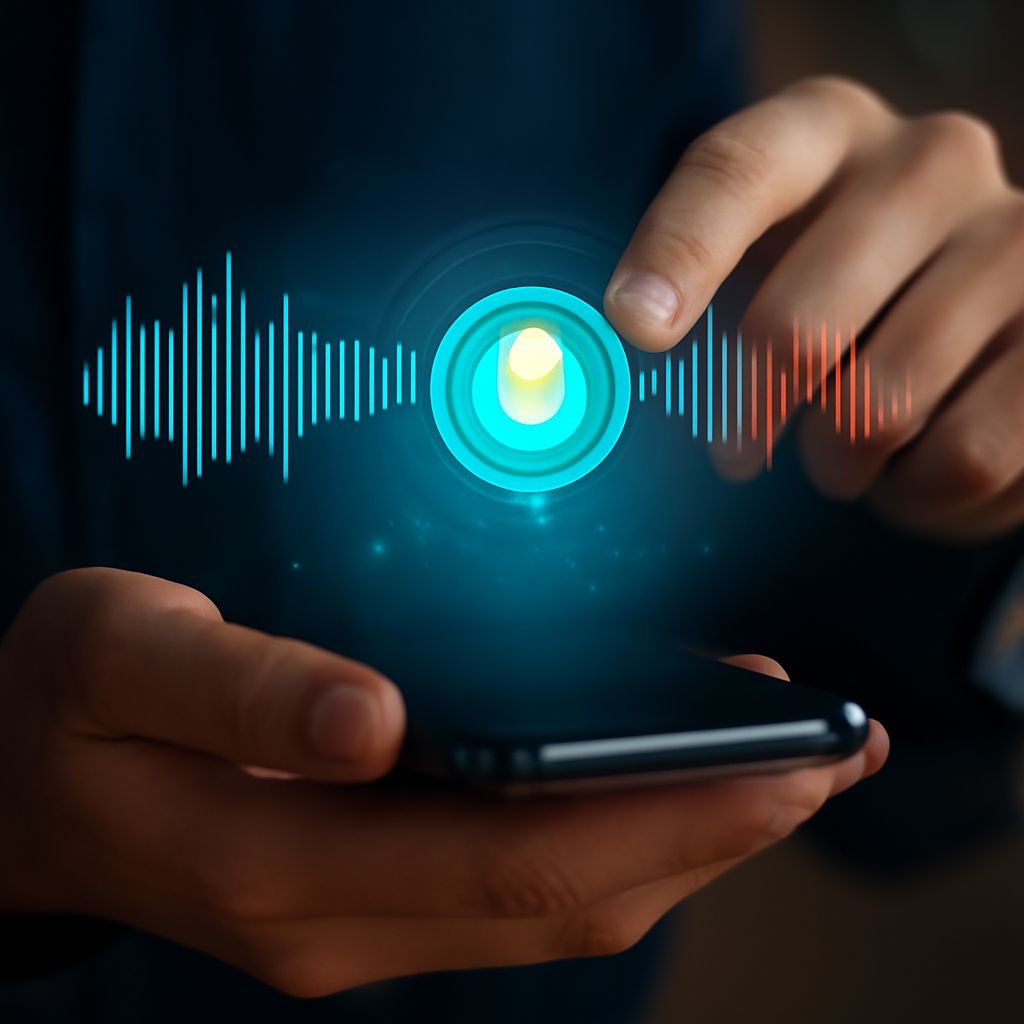
Imagine you’re a musician on stage, ready to perform. As the lights dim and the spotlight shines on you, there’s a subtle anxiety: Is your instrument perfectly in tune? With a seamless motion, you reach for your smartphone, equipped with a cutting-edge pitch detector. This intuitive tool, a marvel of modern technology, instantly verifies your instrument’s pitch, providing real-time feedback through its innovative Bluetooth connection. The confidence it brings is invaluable, turning potential uncertainty into assured harmony.
In today’s digital age, the evolution of note detector technologies like this one has revolutionized how musicians collaborate and refine their sound. With Bluetooth-enabled devices, musicians can now achieve precision that was once the domain of only the most skilled ears.
What is a Pitch Detector and How Does it Work?
A pitch detector is a sophisticated tool designed to identify the frequency of a sound wave, translating it into a musical note. By utilizing advanced algorithms, it assesses sound inputs and determines the precise pitch, enabling users to ensure their instruments are perfectly tuned. These devices often employ digital signal processing to provide accurate and instantaneous results.
Pitch analyzers operate by capturing sound waves through a microphone or similar input, converting the acoustic signals into digital data that can be analyzed. Once the sound is transformed, the device calculates the pitch by examining the frequency of the waveform. This process is rapid and efficient, allowing musicians to receive almost immediate feedback.
Moreover, modern pitch detectors often come with various functionalities, such as chromatic tuning, allowing them to identify any note within the musical scale. This versatility makes them indispensable for musicians across diverse genres.
How Do Bluetooth Devices Enhance Pitch Detection?
The integration of Bluetooth technology into pitch detectors adds a layer of convenience and flexibility that traditional methods lack. With wireless connectivity, musicians no longer need to rely on cumbersome cables or proximity to their tuning devices. Bluetooth-enabled pitch detectors enable seamless communication between various devices, from smartphones to standalone tuners, enhancing the overall user experience.
Bluetooth connectivity also allows for real-time updates and adjustments. Musicians can move freely on stage or in practice sessions without being tethered by wires, maintaining their focus on performance rather than technical constraints. This wireless capability ensures that pitch detection remains accurate even in dynamic environments where mobility is essential.
Additionally, Bluetooth integration facilitates data sharing between devices, allowing musicians to easily store and access tuning history or settings. This feature is particularly beneficial for those who work with multiple instruments or need to recall specific tuning configurations quickly.
Why Choose a Pitch Identifier Over Traditional Methods?
Despite the enduring charm of traditional tuning forks and similar tools, pitch identifiers offer numerous advantages that elevate the tuning process. These modern devices provide unparalleled accuracy and ease of use, greatly simplifying the task of achieving perfect pitch.
One significant benefit is the pitch identifier’s ability to offer visual feedback, often through LED displays or mobile app interfaces. This feature facilitates a more intuitive tuning process, enabling musicians to gauge their instruments’ status at a glance. The quick and precise nature of these devices saves time, particularly in high-pressure situations like live performances.
Moreover, pitch identifiers often come with additional functionalities such as metronomes and sound analysis features. This multifaceted approach not only aids in tuning but also enhances overall musical practice by helping musicians develop timing and tonal quality in tandem.
What Features Should You Look for in a Pitch Analyzer?
When choosing a pitch analyzer, several key features should be considered to ensure you select a device that meets your specific needs. Firstly, accuracy is paramount. Look for a device with a high level of precision in detecting tonal variations, even in complex sound environments.
Another important feature is ease of use. A user-friendly interface with intuitive controls will make the tuning process more efficient and enjoyable. Consider devices that offer clear visual displays and straightforward navigational options.
Bluetooth connectivity is another crucial aspect, providing the benefits of wireless freedom and enhanced functionality. Devices with robust Bluetooth integration allow for real-time analysis and seamless interaction with other gadgets, facilitating a more integrated musical experience.
Additionally, consider a pitch analyzer’s range of supported instruments and tuning modes. A versatile device will accommodate various musical needs, whether you’re tuning a guitar, violin, or another instrument. Some analyzers also feature customizable settings, enabling personalized tuning preferences.
Finally, consider portability and durability. A compact, rugged design allows for easy transport and reliable performance, ensuring your pitch analyzer is always ready to assist, whether in practice or on stage.
Safety Recap: When using tools like Bluetooth-enabled pitch detectors, always ensure your devices are properly paired and secure to prevent connection issues. Regularly updating your device’s firmware helps maintain optimal performance and security.