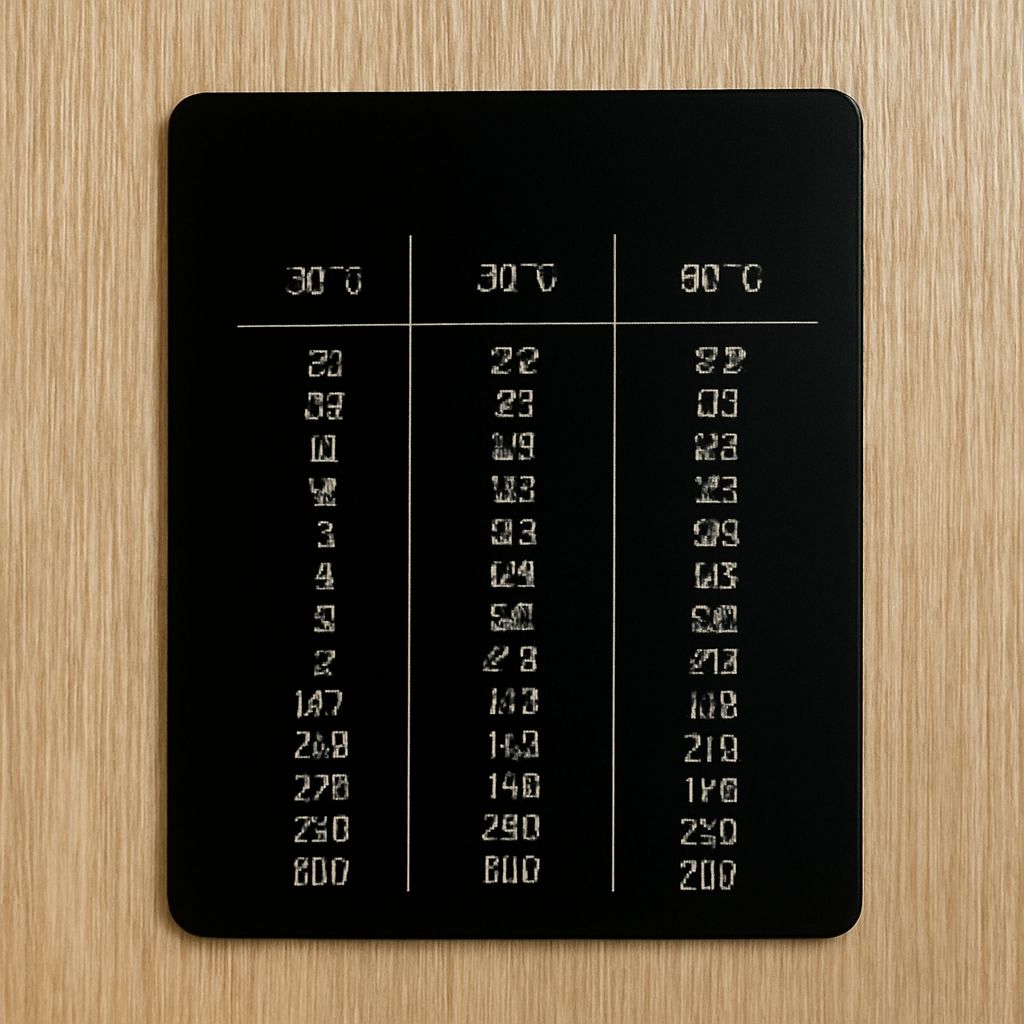
Ampacity Chart: Understanding Connectivity in Wireless Systems
Imagine you’re setting up a new wireless system at your home or office. As you configure the connections, you ponder how to ensure that everything runs smoothly and safely. In your quest for optimal performance, you come across the term ampacity and wonder how it impacts your wireless connectivity. Knowing the role ampacity plays could be your key to efficient and reliable connections.
What is Ampacity?
Ampacity refers to the maximum amount of electric current a conductor or cable can carry before sustaining immediate or progressive deterioration. This measure is crucial when determining the limits of electrical components, ensuring they operate within safe parameters.
The concept of ampacity encompasses a variety of related terms such as current-carrying capacity and thermal management. Understanding these terms can help in assessing the limits of your wireless system components. Ampacity measurements are essential for preventing overheating, which can lead to system failures or fires.
Variations in ampacity can occur due to factors like ambient temperature, conductor material, and installation conditions. By taking these into account, you can ensure that your system is both efficient and safe.
Why Ampacity Matters in Wireless Connectivity
Wireless systems rely on a network of devices interconnected by cables and conductors. Ampacity plays a vital role in determining how much current each component can handle without risking damage. This is especially important in large installations, where multiple devices share power resources.
Understanding the significance of ampacity in wireless connections allows you to design systems that prevent overload and maintain optimal performance. For instance, selecting cables with the right current-carrying capacity ensures that your network remains stable and secure.
Furthermore, wireless connectivity systems that disregard ampacity limits are prone to efficiency losses and potential hazards. Properly managing ampacity can contribute to the longevity and reliability of your wireless setup.
How to Use an Ampacity Chart for Wireless Systems
An ampacity chart is a valuable tool that aids in selecting the appropriate conductors for your wireless system. It provides detailed information about the current-carrying capacity of various conductors under different conditions. By consulting these charts, you can make informed decisions about cable selection and installation.
To utilize an ampacity chart effectively, start by identifying the requirements of your wireless system, including the expected load and environmental conditions. Match these with the ampacity ratings to select the appropriate conductor size. This process helps prevent overheating and ensures that your system operates within safe limits.
Ampacity charts also assist in troubleshooting existing systems. By cross-referencing the actual load against the chart, you can identify potential issues and make necessary adjustments to your setup.
Common Misconceptions About Ampacity
One prevalent misconception is that all conductors have the same ampacity regardless of their material or environmental context. This belief can lead to underestimating the importance of selecting the right conductor type and size for specific conditions.
Another misunderstanding is assuming that ampacity concerns only arise in large-scale industrial settings. In reality, even small home or office wireless systems can benefit from considering the ampacity of their components to ensure safety and efficiency.
Lastly, some assume that once a system is set up, ampacity is no longer relevant. However, regular checks and potential upgrades are crucial as system demands evolve over time.
Safety Recap: Proper understanding and management of ampacity in wireless systems are essential for safe operations. Utilize ampacity charts to ensure your connections are efficient, preventing potential hazards and system failures. Always consider the specific requirements of your setup for optimal performance and safety.