Bluetooth Spy Camera: Small Hidden Bluetooth Cameras Explained
You’ve seen the headlines about hidden cameras showing up in vacation rentals, hotel rooms, and even offices. Maybe you want to protect your own space, or maybe you’re curious about how a bluetooth spy camera actually works. Either way, understanding mini bluetooth cameras gives you the knowledge to stay aware of your surroundings.
Whether you’re researching a small bluetooth camera for legitimate security purposes or trying to detect one that might already be in place, this guide covers the technology, the legal landscape, and the practical details you need. From a basic bluetooth spy cam to professional-grade bluetooth hidden camera systems, here’s what you should know.
How a Bluetooth Spy Camera Transmits Data
A bluetooth spy cam works by pairing with a nearby device, typically a smartphone or tablet. The camera captures video or still images and streams that data over a Bluetooth connection to the paired device. Most models operate over a range of about 30 feet, though some extended-range units push that to 100 feet.
The connection process is similar to pairing any Bluetooth accessory. The mini bluetooth camera broadcasts a signal, your device discovers it, and once paired, the two exchange data. Many models also include onboard storage so footage is saved locally even when no paired device is present.
Unlike Wi-Fi cameras that connect to a home network, a bluetooth hidden camera forms a direct device-to-device connection. This means no network password is needed, but it also means the range is shorter and the connection can only serve one device at a time.
Common Disguises for Small Bluetooth Cameras
The defining feature of a small bluetooth camera designed for covert use is its disguise. Manufacturers build these devices into everyday objects so they blend into normal environments without raising suspicion.
Common housings include:
- Smoke detectors and carbon monoxide alarms
- Wall clocks and desk clocks
- USB chargers and power banks
- Picture frames and decorative items
- Pens, eyeglasses, and button-sized units worn on clothing
The lens is typically very small, often 2mm or less, making it difficult to spot without a dedicated lens detector or careful inspection. Battery-powered models can run for several hours on a single charge, while plug-in versions run continuously as long as they’re connected to power.
Detecting a Bluetooth Hidden Camera
If you’re concerned about a bluetooth hidden camera in a space you don’t control, there are several detection methods worth knowing.
Using a Bluetooth Scanner App
A smartphone Bluetooth scanner app lists all discoverable Bluetooth devices in range. If you see an unfamiliar device name that doesn’t correspond to something you brought with you, that’s worth investigating further. Keep in mind that most covert cameras are set to non-discoverable mode when active, so this method doesn’t catch everything.
Using a Physical Lens Detector
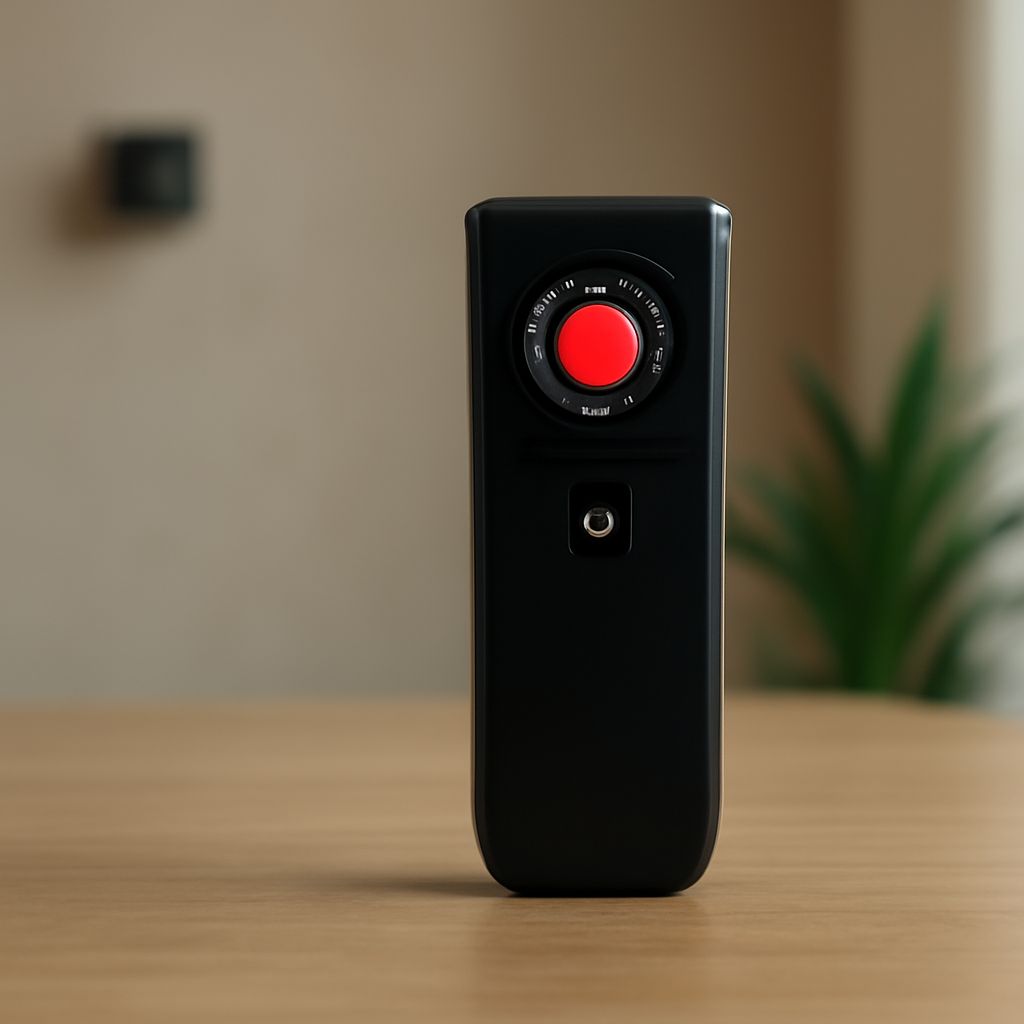
Handheld lens detectors use infrared light or radio frequency scanning to identify camera lenses and wireless transmitters. These tools are more reliable than app-based scanning for finding a bluetooth spy cam in a room. Prices range from under $20 for basic units to several hundred dollars for professional-grade detectors.
Visual Inspection
Slow, methodical visual inspection catches many cameras. Look for small holes in walls, unusual objects positioned to face a bed or bathroom, and items that seem out of place or newly added. A small LED indicator that glows when recording is another giveaway, though higher-end cameras suppress these indicators.
Legal Considerations Around Bluetooth Spy Cameras
Laws around hidden cameras vary significantly by country and state. In the United States, recording someone without their knowledge is generally illegal in places where they have a reasonable expectation of privacy, such as bedrooms, bathrooms, and changing rooms. Recording common areas like a living room may be legal in some contexts, particularly when it’s your own property.
Using a bluetooth hidden camera to record someone without consent in a private space can result in criminal charges and civil liability. Even when used in your own home, recording guests who haven’t consented can create legal exposure depending on your jurisdiction. Always research local laws before deploying any covert recording device.
For parents monitoring babysitters or homeowners installing nanny cams, transparent disclosure or using clearly visible cameras is the safest legal approach in most places.
Legitimate Uses for Small Bluetooth Cameras
Despite their covert reputation, small bluetooth cameras serve real security purposes when used responsibly and legally.
- Home security monitoring in your own residence
- Nanny and caregiver monitoring with proper disclosure
- Pet monitoring while away from home
- Business security in areas like cash registers or stockrooms
- Personal safety documentation in certain professional settings
When transparency is possible, placing a visible camera is nearly always the better legal and ethical choice. Visible cameras also deter bad behavior more effectively than hidden ones.
Choosing a Mini Bluetooth Camera: What to Look For
If you’re evaluating a mini bluetooth camera for a legitimate security application, these specs matter most:
Video resolution should be at least 1080p for images clear enough to identify faces and details. Some models now offer 4K capture.
Night vision capability matters for low-light environments. Infrared LEDs are standard on most models.
Storage options include microSD cards (16GB to 256GB) and cloud sync via a companion app. Local storage is more private; cloud storage provides offsite backup.
Battery life ranges from 2 hours on small clip cameras to 8 or more hours on larger units. Continuous-power models remove this limitation entirely.
Connectivity range varies by model. Standard Bluetooth 5.0 provides roughly 100 feet of range in open space, with real-world performance lower through walls and obstacles.
Pro tips recap: Always confirm local laws before installing any hidden camera. Use Bluetooth scanning apps alongside physical lens detectors for the most thorough room sweep. For personal security use, opt for cameras with local storage rather than cloud sync to minimize data exposure. Keep Bluetooth pairing mode disabled when the camera is actively recording to reduce detectability.