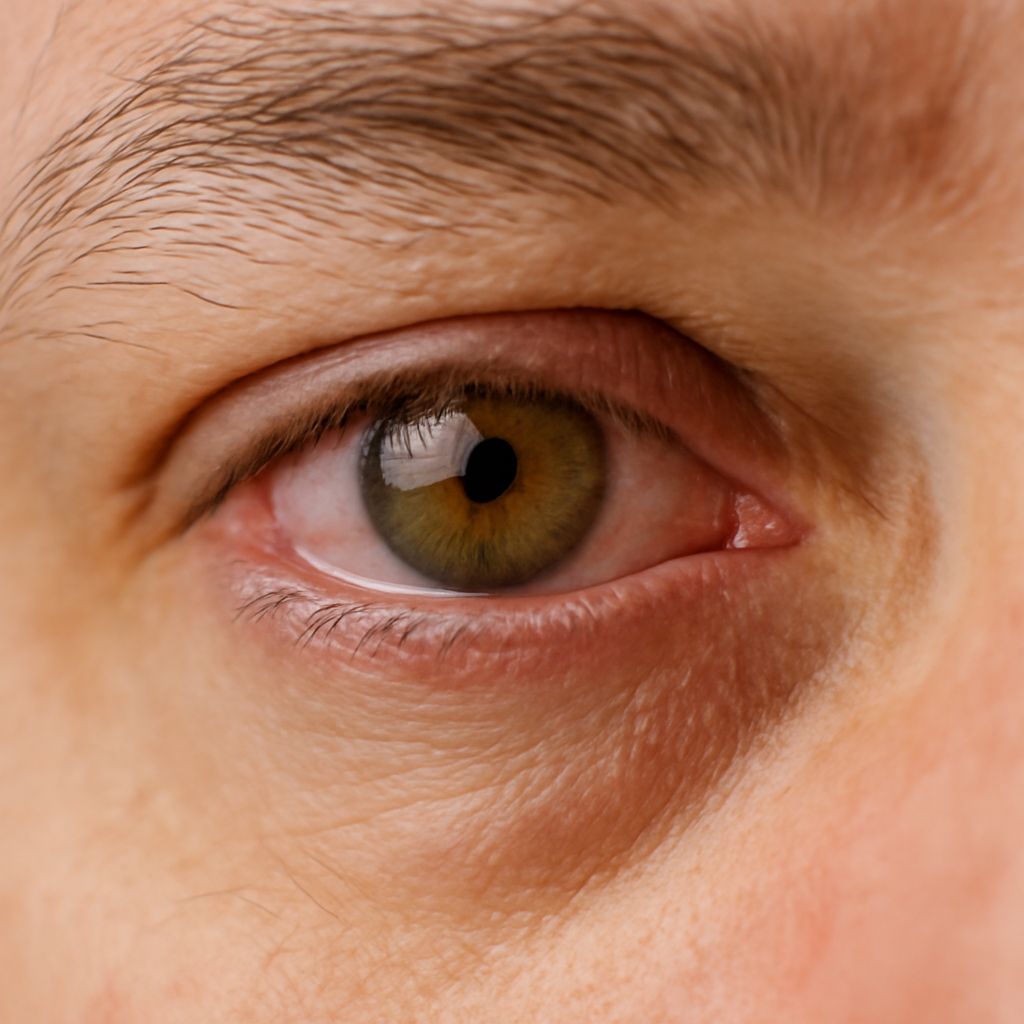
Burning Eyes: Understanding Causes and Solutions When Printing
You sit down at your workstation, preparing for another busy day of handling print jobs—whether it’s setting up a new device, running maintenance, or troubleshooting errors. But as the hum of the printer starts, you notice an uncomfortable sensation: your eyes begin to sting. You blink, wondering, “Why are my eyes burning?” The burning grows more pronounced, distracting you from the task at hand. Not only is this discomfort frustrating, but it raises pressing questions about your workspace and what’s causing this reaction.
Burning eyes during printing or while setting up a printer can stem from a variety of factors, ranging from environmental irritants to specific chemical exposures. Understanding burning eyes causes is crucial for anyone working with printers—especially if you’re often responsible for setup and troubleshooting. Recognizing these triggers and knowing how to address them can help you create a safer, more comfortable environment, ensuring that your focus remains on delivering quality print results, not on the discomfort in your eyes.
What Are Common Causes of Burning Eyes During Printing?
Experiencing a stinging sensation while using a printer is a frequent complaint in both commercial print shops and home offices. One of the primary triggers for burning eyes is poor ventilation. Many printers, especially laser types, can emit tiny particles and volatile organic compounds (VOCs) during operation. These airborne substances may provoke ocular irritation, particularly in enclosed spaces where airflow is limited.
It’s also common for individuals to react to the chemical makeup of printer cartridges and toners. The process of printing can release trace amounts of ozone—a byproduct known to cause discomfort or even mild inflammation in sensitive individuals. Handling fresh ink or toner refills, as well as cleaning with strong solvents or alcohol-based solutions, can release fumes that are tough on your eyes.
An often-overlooked factor in burning eyes causes is dust buildup. Accumulated paper dust, fibers, and debris in and around the printer can become airborne when the device operates or is serviced. These fine particles may lead to dryness, irritation, and even allergic reactions if left unaddressed.
Finally, excessive screen time while configuring or troubleshooting printers can strain your visual system. Extended focus on digital displays can exacerbate dryness and sensitivity, intensifying the burning sensation when combined with other irritants in the printing environment.
Why Do My Eyes Burn When Setting Up or Troubleshooting a Printer?
During printer setup and troubleshooting, you may come into close contact with various irritants. When installing new cartridges or performing maintenance, handling inks and toners in their raw form can expose you to substances that trigger eye discomfort. If you’re using cleaning agents, even those rated as safe for electronics, their vapors can easily drift into your eyes, particularly if workspace ventilation is inadequate.
Another consideration is the release of fine particles. Disassembling printer components, clearing paper jams, or swapping out consumables often stirs up settled dust and tiny bits of paper. These airborne particles can land on the surface of your eyes, provoking itching and a burning sensation. Additionally, working in poorly lit or cramped environments can lead to increased blinking or eye rubbing—actions that spread irritants further and worsen symptoms.
Some modern printers utilize heated fuser units during the printing process, which may emit low levels of ozone or other byproducts. When performing diagnostic tasks or running extended test prints, the concentration of these emissions may rise, especially in small or unventilated rooms. Sensitivity to these byproducts varies, but regular exposure can make symptoms more noticeable over time.
Digital eye strain also plays a role. Prolonged troubleshooting often requires staring at control panels or computer monitors, reducing your natural blinking rate and causing your eyes to dry out. Dryness not only intensifies the burning feeling but makes your eyes more susceptible to chemical or particulate irritants present in the print area.
How Can You Prevent Burning Eyes in a Printing Environment?
Proactive steps can help you minimize the risk of burning eyes while working with printers. First and foremost, ensure your workspace is well-ventilated. Using fans, open windows, or local exhaust systems will help disperse airborne chemicals and particles, lowering their concentration around your eyes. Regularly inspecting and cleaning your printer can prevent the buildup of paper dust and debris, reducing the chance of those irritants becoming airborne during operation.
When handling inks, toners, or cleaning solutions, try to limit direct exposure. Wearing disposable gloves and avoiding touching your face—particularly your eyes—can reduce the likelihood of transferring chemicals. If possible, choose milder cleaning products or those specifically designed for use with electronics, as they tend to emit fewer harsh vapors.
Adopting digital hygiene practices can also make a difference. Take regular breaks from screens during setup and troubleshooting to maintain tear film stability and prevent dryness. Adjust monitor brightness and positioning to minimize squinting and eye fatigue. If your tasks require extended periods at the computer, consider using artificial tears to relieve dry eye symptoms.
Lastly, position printers away from primary workstations, especially if you frequently run large print jobs. Creating a designated area for printing can contain and limit exposure to airborne irritants, providing a safer environment for both printing and general office work.
When Should You Seek Help for Persistent Burning Eyes?
Occasional mild irritation can often be managed by adjusting your workspace and adopting safer handling practices. However, if the burning sensation persists even after making environmental changes, it’s important to take further steps. Chronic burning, excessive tearing, blurred vision, or discomfort that continues after leaving the print area may indicate an underlying eye issue or a heightened sensitivity to workplace exposures.
If over-the-counter eye drops don’t provide relief, or if symptoms worsen, consult an eye care professional. Persistent irritation can sometimes signal allergies, chemical sensitivities, or more serious ocular health concerns. Bringing a list of the substances and cleaning agents used in your printing area can help your specialist determine possible triggers and recommend targeted solutions.
In workplace or commercial printing settings, report ongoing symptoms to your occupational health or safety officer. They may recommend workplace air quality assessments or adjustments to ventilation and printer placement to better protect you and your colleagues.
If you experience sudden, severe pain, vision changes, or signs of a chemical splash—such as redness, swelling, or watery discharge—seek immediate medical assistance. Prompt treatment can prevent complications and support long-term eye health.
Safety recap: When working with printers, always prioritize good airflow, minimize direct exposure to inks and cleaning chemicals, and regularly clear dust buildup to protect your eyes. Early intervention and thoughtful workspace setup are essential for maintaining comfort and preventing persistent irritation.