Why Is My Eye Red? Understanding Eye Redness and Red Eyes Symptoms
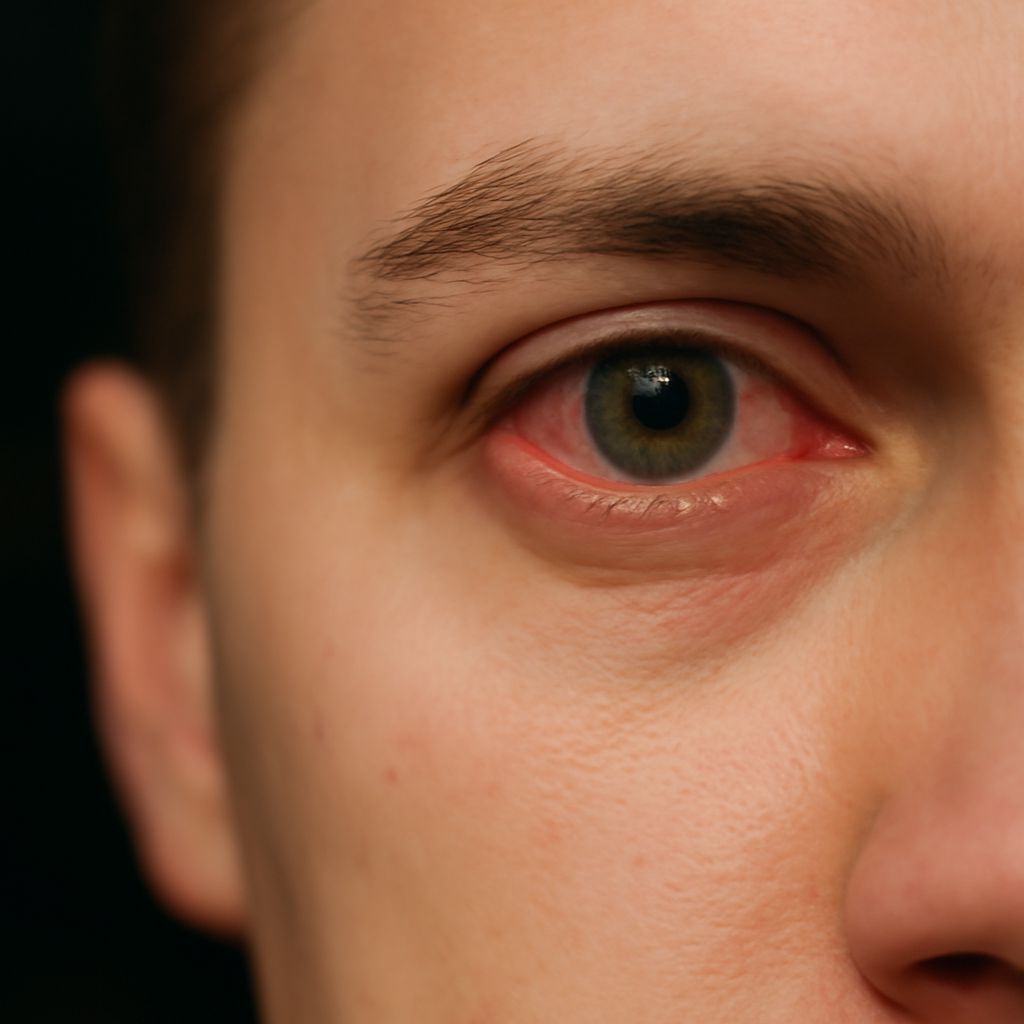
Imagine waking up one morning, glancing in the mirror, and noticing something alarming: your left eye is bright red, irritated, and unmistakably different from the other. Panic might set in as you wonder, “Why is my eye red?” Your mind races through possibilities—is it an infection, an allergy, or something more serious? Understanding the causes of eye redness, along with recognizing red eyes symptoms, can help you determine your next steps and when to seek professional care.
Eye redness is a common issue that can range from harmless irritation to a sign of a serious problem. Sometimes, the symptoms of red eyes are mild, while in other cases, discomfort may intensify or vision becomes affected. Knowing what causes eye redness and how to identify related symptoms is crucial for protecting your ocular health and responding appropriately if your eye is red.
What Are the Common Causes of Eye Redness?
Eye redness occurs when the blood vessels on the surface of the eye become enlarged or irritated. Numerous factors can lead to this vascular dilation, resulting in red or bloodshot eyes. The most frequent causes of redness in the eyes include allergies, which can trigger immune responses and cause the conjunctiva to become inflamed. Seasonal allergens like pollen or pet dander often result in itchy, swollen, and reddened eyes, especially during allergy peaks.
Another frequent culprit behind the whitening of the eye turning red is conjunctivitis, commonly known as “pink eye.” This condition, whether viral, bacterial, or allergic in origin, leads to visible irritation and inflammation. Bacterial and viral infections can present with additional symptoms such as discharge or crusting. Dry eye syndrome is another widespread condition, often associated with prolonged screen time or environmental factors, leading to insufficient tear production and resulting in red, gritty, and sore eyes.
Other contributors to ocular redness include trauma, such as accidental pokes, exposure to irritants (like chlorine or smoke), or wearing contact lenses too long. Intraocular pressure increases, as seen in acute angle-closure glaucoma, may also lead to significant redness and discomfort. Less commonly, underlying medical disorders such as uveitis or scleritis can provoke intense redness and pain, necessitating specialized treatment.
In summary, identifying what leads to redness in the eyes can range from minor irritants to infectious or inflammatory diseases. Understanding these sources is the first step in addressing your own episodes of red eye and determining if further action is required.
How Can I Identify Red Eyes Symptoms?
Recognizing the symptoms associated with red eyes can help you distinguish between benign and more severe conditions. Common signs that accompany eye redness include itching, burning, mild to moderate pain, and watery discharge. Sometimes, sufferers will notice a gritty or foreign body sensation, making it feel as if something is stuck in the eye. Swelling of the eyelids and increased tear production may also be present.
Symptoms of red eyes may also extend to light sensitivity (photophobia) or blurred vision, particularly if an infection or inflammation is involved. For example, with conjunctivitis, you might wake up with sticky eyelids due to discharge, while with dry eyes, fluctuations in symptom severity are common throughout the day. In allergic reactions, persistent itching and watery eyes often accompany the redness, while trauma may produce immediate pain and bloodshot appearance.
It’s important to observe if the redness is localized or diffuse, and whether there is any associated visual disturbance. Noticing changes such as halos around lights, loss of vision, or persistent, severe discomfort are significant symptoms indicating underlying pathology. Carefully tracking all manifestations of red eyes provides valuable information for both self-assessment and for your eye care provider.
By noting the spectrum of symptoms that present with eye redness, you can better decide whether simple at-home remedies are appropriate or if a doctor’s evaluation is necessary for your situation.
When Should I Be Concerned If My Eye Is Red?
While most instances of a red eye are mild and self-limiting, there are times when the condition demands immediate medical attention. You should be particularly vigilant if redness is accompanied by significant pain, sudden changes in vision, or if the redness was caused by trauma or exposure to chemicals. Severe eye pain, loss of sight, or symptoms such as nausea and vomiting could suggest a condition like acute angle-closure glaucoma or uveitis, both of which are emergencies requiring prompt intervention.
Redness persisting for more than a week, or worsening despite attempts at home care, also warrants professional evaluation. Similarly, if the redness is associated with thick, yellow or green discharge, extensive swelling, or if you have an underlying immune condition (such as rheumatoid arthritis), seeking prompt care is essential. Contact lens users should err on the side of caution, as they are more susceptible to corneal infections, which can develop rapidly.
In children or individuals with poor immune function, prompt assessment is advisable even for less severe symptoms. Eye redness, particularly when associated with systemic symptoms like fever or headache, may indicate a more serious infectious process. Trust your instincts: if you are ever unsure, consulting with an optometrist or ophthalmologist is the safest course of action.
Timely recognition of warning signs not only prevents complications but also preserves long-term eye health. When in doubt, prioritizing a professional opinion is always advised for persistent or severe red eye concerns.
How Can I Prevent and Relieve Eye Redness?
Taking proactive steps to minimize the risk of eye redness is both practical and effective. Avoiding known allergens, routinely cleaning your hands, and not rubbing your eyes can markedly reduce the chance of developing irritation or infection. Using preservative-free artificial tears can help keep ocular tissues hydrated, especially for those susceptible to dry eyes or who spend extensive time in front of screens.
Implementing protective measures such as wearing goggles when exposed to dust, chemicals, or chlorine can help shield your eyes from environmental hazards. For contact lens users, adhering to proper hygiene protocols, never exceeding recommended wear times, and using fresh cleaning solutions are crucial in preventing redness and related infections.
At the first sign of redness in the eyes, gentle saline eye washes and cold compresses may provide relief for minor cases. Over-the-counter antihistamine drops can be used for allergic irritation, but persistent symptoms should be evaluated by a health professional. If you work in an environment with eye irritants or experience seasonal allergies, consider installing air purifiers or using lubricating drops preventively.
Ultimately, while most causes of red eyes are benign and temporary, incorporating these practical strategies into your daily routine can help you avoid discomfort and preserve optimal eye health. Making simple adjustments in your lifestyle and responding promptly to early signs of irritation can significantly reduce the frequency of eye redness episodes.