Understanding USB A and Its Place in Wireless Technology
Imagine you’re setting up a new wireless audio system in your home. As you unwrap the sleek, modern speaker set, a familiar USB-A cable falls into your hand. You wonder if the USB-A will provide the optimal connection for your devices, or whether it’s time to switch to the more contemporary USB-C technology. The decision between USB A vs USB C can significantly impact your experience, so understanding their differences is crucial.
What is USB A?
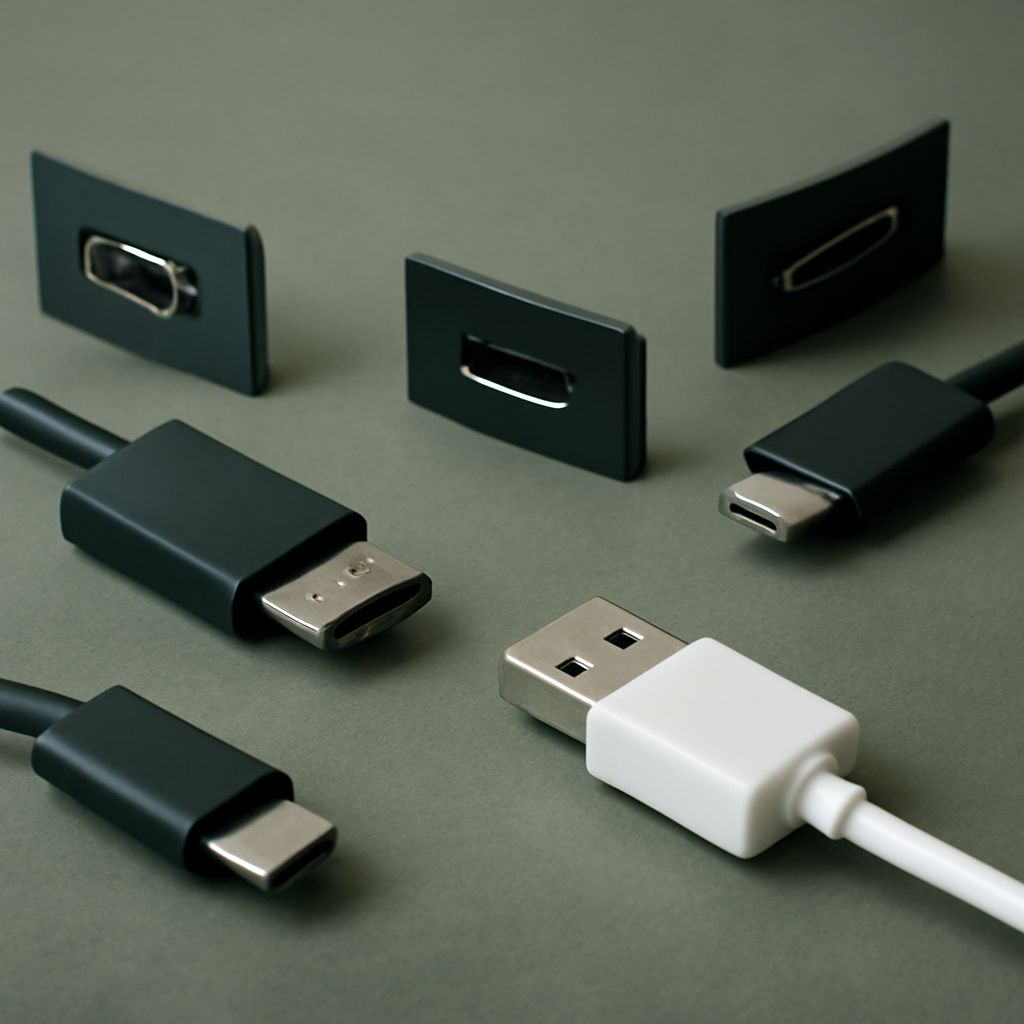
USB A, often simply referred to as USB, is a widely recognized standard in the realm of connectivity. The USB-A connector is rectangular and has been a staple in computing and electronic devices since the late 1990s. Known for its durability and ease of use, it’s commonly found on desktops, laptops, and various peripherals such as keyboards and mice.
The versatility of USB-A allows it to support a wide range of devices. From charging smartphones to connecting printers, its use is extensive. While newer technologies are emerging, USB-A remains a reliable choice for many due to its widespread compatibility and robustness.
How Does USB-A Compare to USB-C?
Comparing USB-A to USB-C reveals several differences in design, functionality, and performance. USB-C, with its more compact and symmetrical shape, is designed for the future, supporting higher data transfer rates and power delivery capabilities. Meanwhile, USB-A continues to be favored for its established presence and compatibility with numerous devices.
In terms of data transfer speeds, USB-C often outpaces USB-A. This makes USB-C appealing for users who require faster data transmission, such as transferring large multimedia files. Additionally, USB-C supports various standards like Thunderbolt, which expands its functionality beyond what USB-A can offer.
Despite these differences, both USB-A and USB-C coexist in the tech landscape due to their unique advantages. While USB-C is gradually becoming the standard for newer devices, USB-A still holds its ground in many applications where its simplicity and reliability are valued.
Advantages of USB A in Wireless Applications
USB-A technology offers several benefits, particularly in wireless settings. Its widespread use means compatibility isn’t a concern, making it an excellent choice for connecting wireless devices to existing infrastructure. Whether it’s pairing with a wireless router or charging wireless headphones, USB-A’s reliability is a key advantage.
Furthermore, the durability of USB-A connectors ensures a long lifespan, even with frequent use. This resilience makes them ideal for environments where connections are constantly being made and broken, such as in offices and classrooms.
USB-A’s role in wireless technology is supported by its ability to handle a variety of tasks. From powering small wireless gadgets to enabling data connectivity, USB-A provides a seamless interface that supports a multitude of wireless applications, maintaining its relevance in a rapidly evolving tech world.
When to Choose USB-C Over USB-A
There are situations where opting for USB-C is beneficial over choosing USB-A. If you need faster data transfer rates, for instance, USB-C is the superior choice. Its ability to deliver power more efficiently also makes it ideal for charging larger devices, such as laptops and tablets, which require more energy.
For those using multiple devices simultaneously, the versatility of USB-C is unparalleled. Its ability to handle audio, video, and data through a single cable streamlines connectivity. This is particularly advantageous for users seeking a clutter-free workspace.
Moreover, as new advancements in technology continue to emerge, USB-C’s support for future standards makes it a forward-thinking option. As more manufacturers adopt this connector, its prevalence is expected to grow, making it a smart choice for long-term compatibility.
Bottom line: Understanding the differences between USB-A and USB-C helps you make informed decisions about connectivity. While USB-A remains a trusted standard for many applications, USB-C offers advantages in speed and versatility that may benefit users with specific needs. Carefully consider your requirements to choose the right technology for your devices.