Understanding Eye Boogers: Causes and Solutions
You’re rushing through your morning routine when you catch a glimpse of yourself in the mirror. Yet again, those pesky clumps of eye discharge, commonly known as eye boogers, are clinging stubbornly to the corners of your eyes. As you wipe them away, you can’t help but wonder why they form and if they’re a sign of something more worrisome. Understanding the causes of these crusty eyes can help ease your mind and guide you to effective solutions.
What Are Eye Boogers and Why Do They Form?
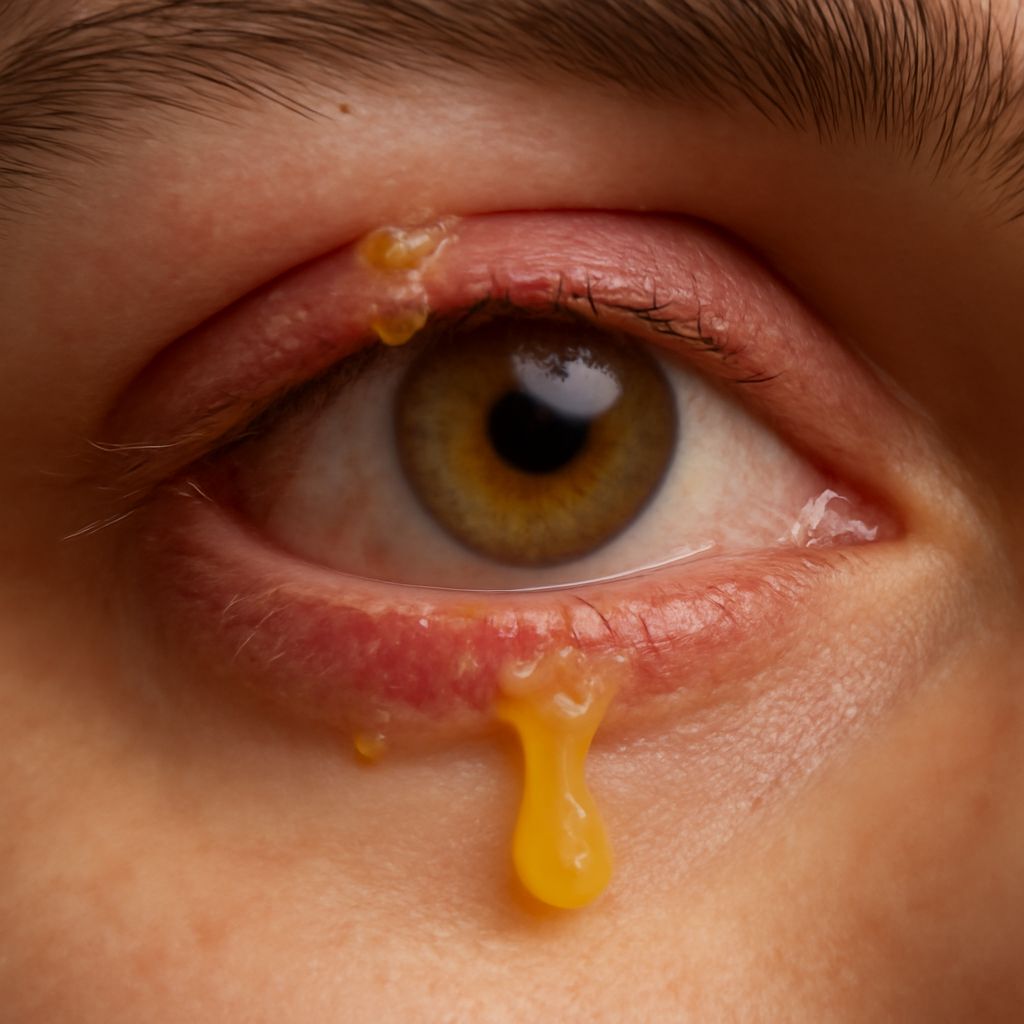
Eye boogers, known scientifically as eye mucus or discharge, are a blend of mucus, oil, skin cells, and other debris that accumulate in the corners of your eyes. These are most noticeable in the morning because your eyes are closed during sleep, and the natural lubrication process slows down, allowing the discharge to accumulate. While these mucus clumps are usually harmless, understanding their formation can help you address any underlying issues.
Common Causes of Eye Discharge
Allergies and Irritants
Environmental factors such as pollen, dust, or pet dander can lead to allergic reactions. When allergens come into contact with your eyes, they can cause itchiness, redness, and excess mucus production. Irritants like smoke or pollution can similarly provoke eye irritation, resulting in increased discharge.
Infections
Infections like conjunctivitis, commonly known as pink eye, often lead to noticeable eye discharge. This condition, caused by bacteria or viruses, can result in thick, yellow-green mucus. Additionally, infections can cause the eyelids to become swollen and sensitive, further exacerbating eye mucus accumulation.
Dry Eyes
Dry eyes can contribute to the formation of eye boogers. When your eyes don’t produce enough tears, they can become dry and irritated, triggering an overproduction of mucus as a compensatory mechanism. This condition may require specific treatments to enhance tear production and reduce discomfort.
How to Manage and Treat Eye Mucus
Managing eye discharge involves addressing its root cause. For those dealing with allergies, using antihistamine drops or avoiding allergens can be effective. Maintaining proper hygiene, such as cleaning your eyelids with a warm, damp cloth, can help reduce mucus buildup. In cases of infection, consulting a healthcare provider for appropriate medication, like antibiotics or antiviral drops, is crucial. For dry eyes, artificial tears or other lubricating eye drops can offer relief.
When to Seek Help for Crusty Eyes
While occasional eye discharge is generally normal, there are times when professional advice is necessary. If you experience persistent redness, pain, or changes in vision, it’s important to see an eye specialist. These symptoms might indicate a more serious underlying condition that requires treatment. Consistent or worsening eye mucus production that doesn’t improve with over-the-counter solutions also warrants medical attention.
Safety recap: Always use clean tools when dealing with eye discharge. If irritation persists, prioritize seeing a healthcare provider to prevent complications and ensure effective treatment.