The First Mobile Phone: A Journey Through Time
Imagine standing in a bustling crowd, everyone around you glued to their tiny, glowing screens. You reach into your pocket, feeling the smooth surface of your own device, wondering how far we’ve come since the days of the first mobile phone. Cell phone technology has evolved dramatically, influencing every facet of our daily lives. From the clunky devices of the past to the sleek smartphones of today, the journey has been nothing short of revolutionary.
What Was the First Mobile Phone?
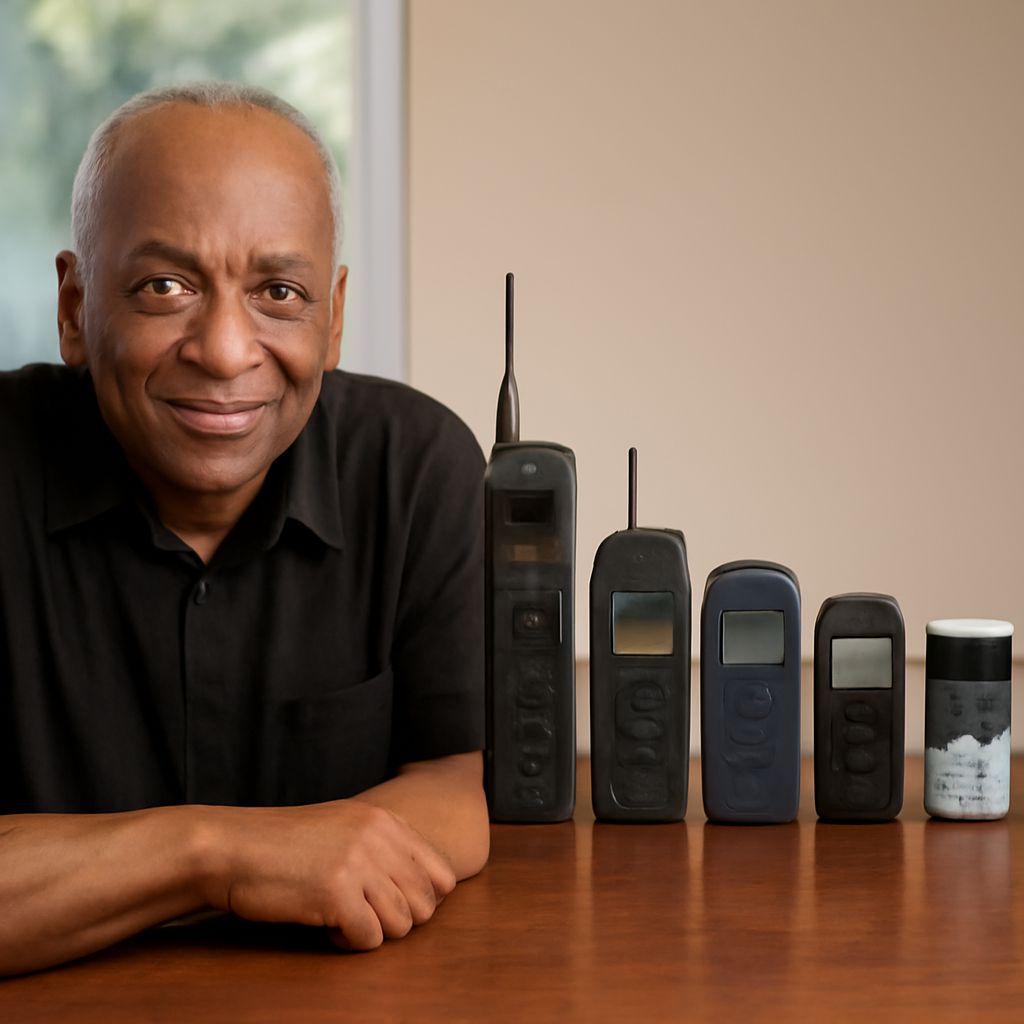
The inaugural mobile phone, a true marvel of its time, was the Motorola DynaTAC 8000X. Released in 1983, this device marked a pivotal moment in telecommunications history. Weighing in at around 2.5 pounds, it was anything but pocket-friendly. Despite its cumbersome size, the DynaTAC 8000X represented the dawn of mobile communication, allowing individuals to make calls without the constraints of wired connections.
Incorporating elements like a long antenna and limited battery life, this first iteration paved the way for future innovations. The initial mobile phone was a breakthrough, though its prohibitive cost kept it out of reach for many. Nevertheless, it set a precedent for the portable communication we now take for granted.
How Has Cell Phone Technology Evolved Over Time?
Since the debut of the first mobile device, cell phone technology has seen remarkable transformations. The transition from analog to digital networks marked a significant leap, enhancing call quality and allowing for more efficient data transmission. As technology advanced, the once bulky handsets became sleeker, and features like text messaging emerged.
Smartphones revolutionized the scene with the introduction of touchscreens and internet connectivity. These devices became indispensable, blending functionality with entertainment. Innovations in cameras, GPS, and app ecosystems transformed phones into multifaceted tools capable of tasks beyond simple communication.
With each passing year, mobile technology continues to evolve, pushing the boundaries of what’s possible. From augmented reality to artificial intelligence, our phones now function as powerful computers in the palm of our hands.
What Impact Did the First Mobile Phone Have on Society?
The advent of mobile phones, starting with the first model, reshaped societal interactions. Communication became instantaneous, allowing people to connect across great distances with unprecedented ease. This newfound mobility altered business practices, facilitating remote work and real-time decision-making.
On a personal level, mobile devices fostered new forms of social interaction. The ability to share experiences and maintain contact transformed how relationships are nurtured and sustained. The cultural shift brought about by these technologies cannot be overstated, influencing everything from social norms to emergency response protocols.
Moreover, mobile technology democratized information access, opening up vast resources to individuals irrespective of their location. This shift has empowered users, giving rise to global movements and facilitating cultural exchange.
What Are the Future Trends in Cell Phone Technology?
Looking ahead, the landscape of cell phone technology promises even more groundbreaking developments. Foldable screens and 5G networks are already redefining user experiences, offering faster connectivity and enhanced display options. The integration of virtual reality and augmented reality is poised to create immersive environments for gaming, education, and beyond.
Artificial intelligence continues to be a game-changer, with personal assistants becoming increasingly adept at understanding and anticipating user needs. Sustainability is also a growing focus, with manufacturers exploring eco-friendly materials and energy-efficient components to reduce environmental impact.
As these trends unfold, the line between reality and the digital world will blur further, ushering in an era where mobile phones are not just tools but integral parts of our daily existence.