How to Get Rid of Pink Eye: Effective Home Remedies and Natural Solutions
Imagine waking up one morning to itchy, red, and watery eyes. As you glance in the mirror, you notice a sticky discharge at your eyelids’ edges—a telltale sign that you may be dealing with pink eye. Whether you’re searching for a pink eye home remedy, want to learn how to get rid of pink eye quickly, or need practical advice about a natural pink eye remedy, you want safe, effective solutions that help you get back to your daily routine. At-home care is often the first line of defense for mild cases, but it’s vital to know when those home remedies for eye infection are enough—and when to seek professional help.
In this guide, you’ll discover how to identify pink eye causes and symptoms, explore proven and debunked pink eye home remedies, and find out which natural pink eye remedy options are worth your time. We’ll walk you through effective steps on how to get rid of pink eye at home and clarify when it’s time to consult a doctor for more serious eye infections. Let’s ensure your eye health is in safe hands from start to finish.
Understanding Pink Eye: Causes and Symptoms
Pink eye, or conjunctivitis, refers to inflammation of the conjunctiva, the thin membrane covering the white part of your eye and inner eyelid. This condition is widespread and highly contagious, especially in settings like schools and offices. The most frequent causes of conjunctivitis include viral infections (such as those linked to the common cold), bacterial invaders, and allergic reactions to irritants like dust, pollen, or pet dander.
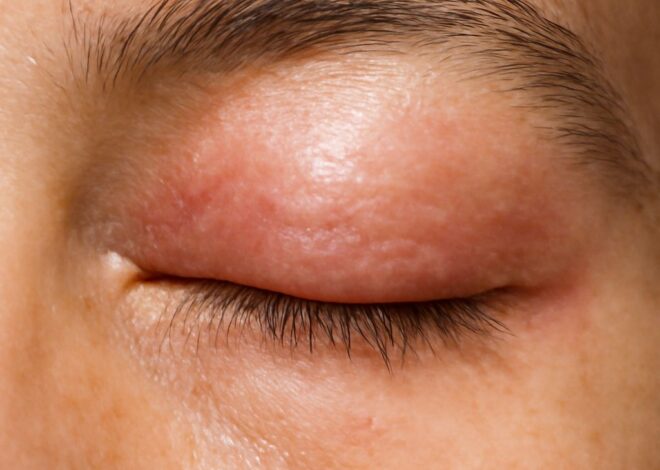
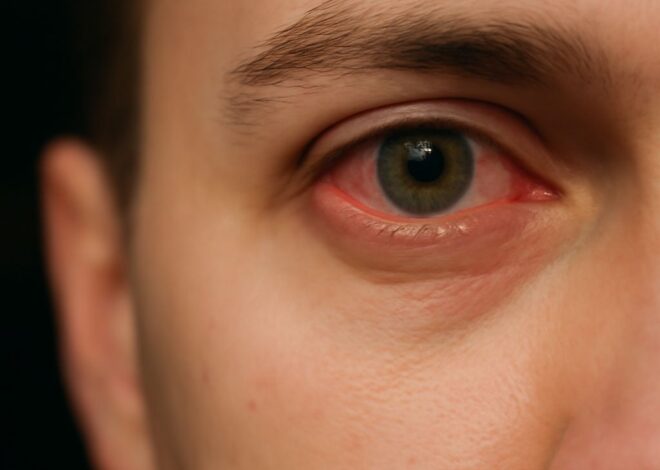
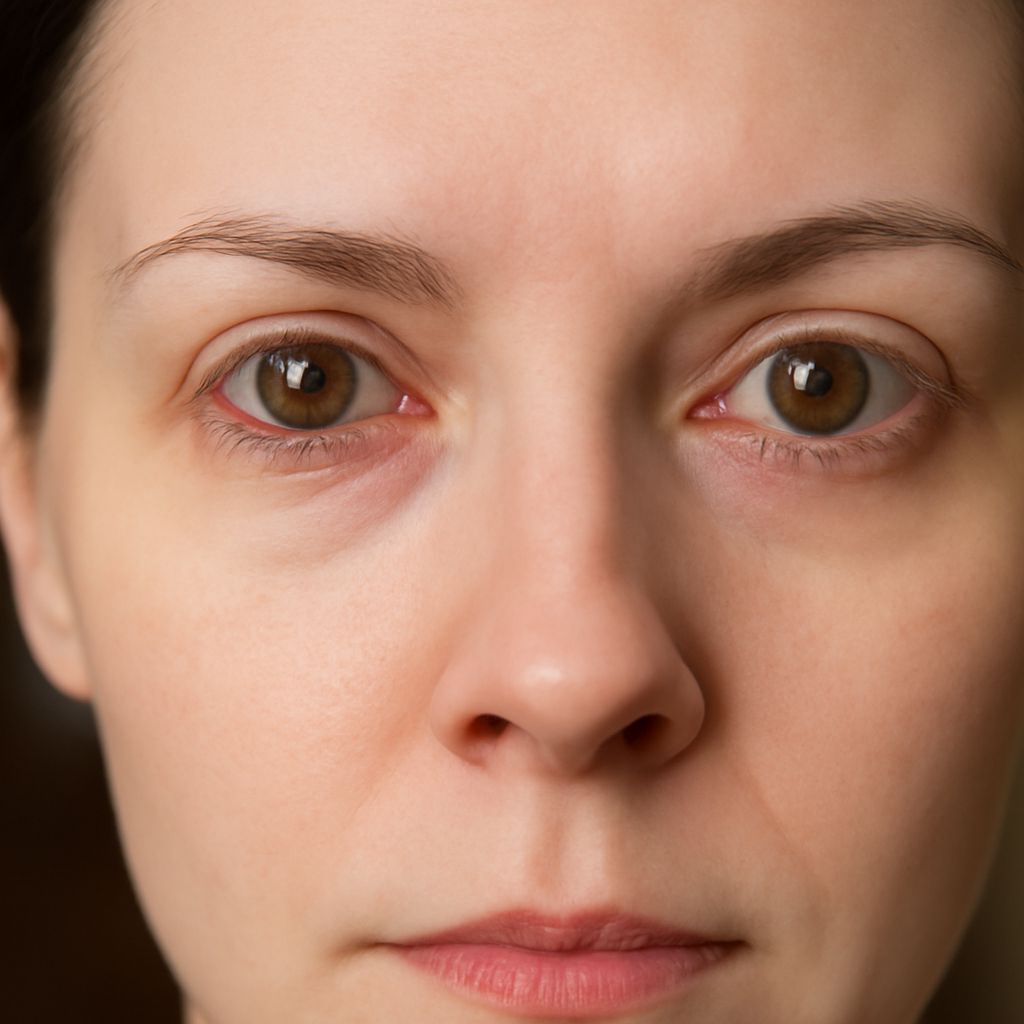
The symptoms of pink eye are usually easy to recognize. Sufferers may experience redness, persistent itching, and a gritty sensation in one or both eyes. Watery or thick, sticky discharge that crusts overnight is typical, particularly in bacterial types. In some cases, the eyelids may swell, and sensitivity to light can occur. Recognizing these early signs is crucial for both symptom relief and preventing further spread to others in your household or workplace.
Allergic conjunctivitis often comes with additional symptoms like sneezing or nasal congestion. Conversely, viral and bacterial conjunctivitis can present similarly, making it challenging to distinguish between them without a professional exam. Observing the kind of discharge—clear versus yellow or green—can sometimes provide clues, but it’s always safest to err on the side of caution when diagnosing at home.
How to Get Rid of Pink Eye at Home: Practical Steps
Effective home management of conjunctivitis starts with good hygiene. Clean your hands thoroughly before and after touching your face or eyes, and avoid rubbing or scratching the affected area. Anyone attempting to treat pink eye on their own should remember to use a fresh, clean towel each time to prevent accidental reinfection or spreading the illness to others.
For viral conjunctivitis, recovery usually occurs within one to two weeks without the need for prescription medications. You can ease discomfort by gently applying a cool, damp washcloth over your closed eyelids several times a day. Be sure to use a new cloth for each session and launder them promptly. Artificial tears or lubricating eye drops found over the counter can also help soothe irritated eyes.
If the conjunctivitis is likely allergic, minimizing exposure to allergens and using antihistamine drops may alleviate the redness and irritation. For bacterial pink eye, some mild cases respond to these nonprescription approaches, but persistent or worsening symptoms typically need antibiotic eye ointments from a healthcare provider. Never share personal items like pillowcases or cosmetics during an outbreak, as this can facilitate the spread of infection within your home.
Pink Eye Home Remedies: What Works and What Doesn’t
The Internet is full of claims about pink eye home remedies, but not all approaches are created equal. Some simple supportive measures can be effective, such as cold compresses to reduce swelling and frequent eyelid cleansing with warm water for crust removal. Occasionally, using preservative-free saline solution to rinse your eyes can help flush out irritants and relieve mild symptoms.
However, DIY treatments for eye infections should be approached with caution. Avoid using any herbal extracts, essential oils, or homemade solutions directly in the eyes, as these can actually worsen irritation or introduce new pathogens. Likewise, placing raw foods like potatoes or tea bags on your eyelids is not backed by scientific evidence and may increase your risk of further complications.
Stick to tried-and-true strategies—keeping your eyes clean, avoiding contact with infected individuals, and not wearing contact lenses until fully healed. Remember, the effectiveness of most home-based solutions is limited to comfort care and symptom management, not curing the underlying infection.
Natural Pink Eye Remedy: Are They Safe and Effective?
When considering a natural pink eye remedy, it’s essential to prioritize both safety and efficacy. Applying chilled, sterile compresses is one of the safest ways to soothe sore eyes. Saline rinses, when made with sterile water and proper proportions, may gently clean the eye area without causing harm.
Other natural remedies, such as chamomile tea compresses or honey-water rinses, have been passed down through generations but lack robust clinical research supporting their effectiveness for treating conjunctivitis. While some individuals report temporary relief from these approaches, they do not replace proven therapies and can be risky if hygiene isn’t meticulous.
In summary, while pursuing natural solutions can offer minor comfort, avoid inserting any unfamiliar substance directly into your eye. When in doubt, consult with a healthcare provider to ensure you’re not risking your eye’s health while seeking symptom relief at home.
When to See a Doctor for Pink Eye or Eye Infections
While many mild cases of conjunctivitis resolve with careful home management, certain red flags warrant professional evaluation. If your symptoms persist beyond two weeks, worsen despite at-home care, or are accompanied by severe pain, vision changes, or excessive swelling, seek medical attention promptly. Likewise, infants, contact lens wearers, and anyone experiencing symptoms in both eyes at once should consult a doctor early on.
Bacterial forms of pink eye often require antibiotic drops or ointments for full recovery, and some viral strains—like those linked to herpes viruses—can be serious if untreated. Rapid intervention is especially important if your immune system is compromised, if thick green discharge appears, or if you develop fever and general malaise.
Ultimately, when home remedies for eye infection fall short, prompt consultation with an eye care provider prevents lasting damage and ensures a swift return to good eye health.
Pro tips recap: Always prioritize hygiene, rely on safe and simple home remedies for pink eye, use natural treatments only with caution, and contact your doctor if symptoms escalate or persist. Your vision is too important to risk—stay alert and proactive in caring for your eyes.