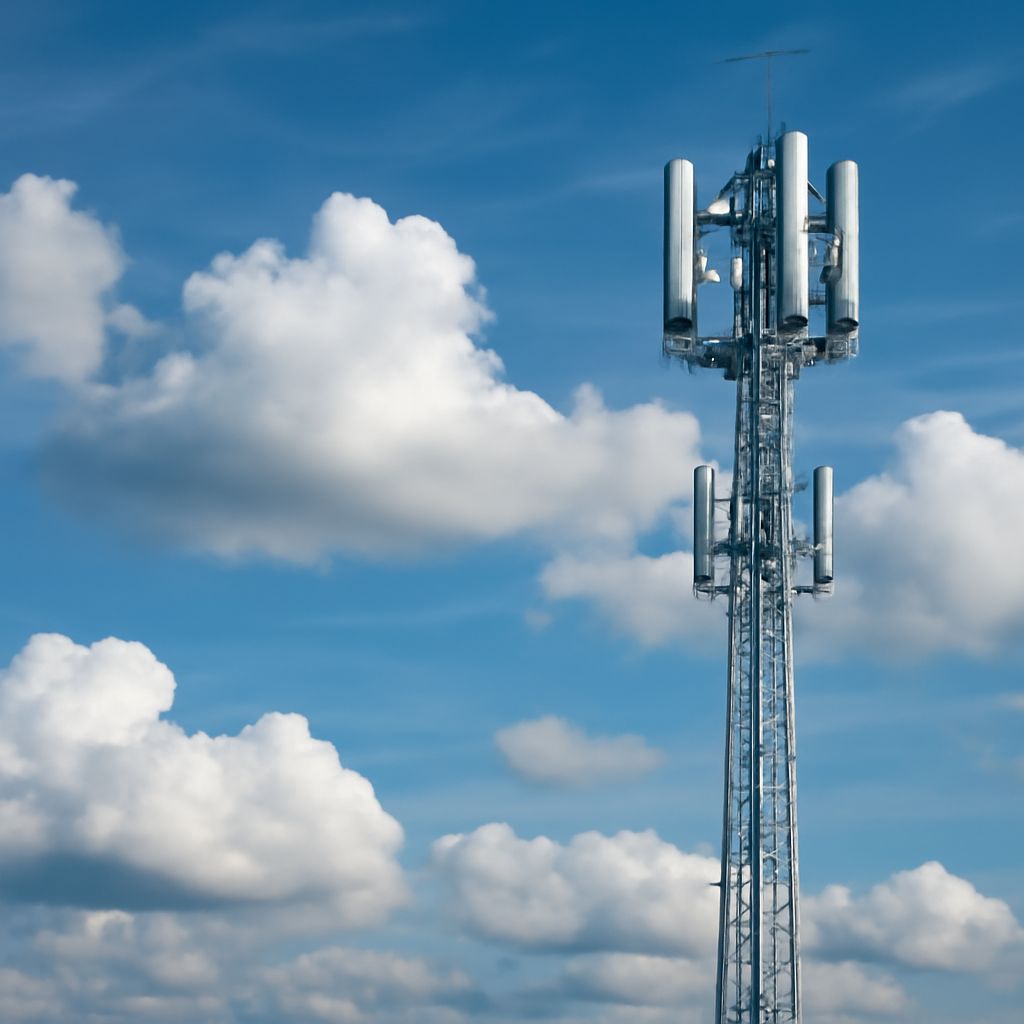
Understanding the Role of a WiFi Tower in Modern Connectivity
Imagine yourself on a sprawling ranch, miles away from the nearest urban center, your phone in hand, trying to connect to the world. Or picture yourself rushing through an airport, needing instant access to WiFi to download a crucial document. Whether it’s ranch WiFi or airport WiFi, the common thread is the vital role played by a WiFi tower. In rural areas, the connectivity challenges are vast, but these towers hold the promise of bridging the digital divide. They are key to overcoming WiFi latency, ensuring seamless communication and data exchange.
What is a WiFi Tower and How Does it Work?
A WiFi tower is an essential component of wireless networks, designed to transmit and receive signals over vast distances. These towers are equipped with antennas that disseminate WiFi signals across a wide area, enabling devices to connect to the internet. A WiFi tower can facilitate both broadband and mobile connectivity, serving as an integral part of modern telecommunication infrastructure.
WiFi towers operate by converting data into radio signals, which are then broadcasted through the air. Devices such as smartphones, laptops, and tablets receive these signals, allowing users to browse the web, stream videos, or conduct business activities. By strategically placing these towers, network providers can vastly improve the availability and quality of wireless internet services.
How Does a WiFi Tower Enhance Rural WiFi?
For rural zones, WiFi towers are often the primary method of internet access. In these areas, where building traditional wired infrastructure can be expensive and challenging, WiFi towers offer a cost-effective solution. By bridging the connectivity gap, they empower rural communities with the same opportunities available in urban centers.
Rural WiFi connectivity is dramatically improved by deploying towers capable of covering large geographical areas. These towers can broadcast signals over long distances, reaching homes, schools, and businesses that would otherwise remain isolated. Consequently, rural WiFi is not only feasible but also competitive in performance.
Moreover, the integration of advanced technologies like beamforming and MIMO (Multiple Input Multiple Output) in WiFi towers enhances the capacity and reliability of rural networks. These innovations allow for better signal strength and reduced interference, ensuring a stable connection for users in remote areas.
The Importance of Airport WiFi and WiFi Towers
Airports serve as critical hubs of connectivity, where reliable WiFi is crucial for passengers and staff alike. A robust WiFi infrastructure within airports is supported by strategically placed WiFi towers, which ensure seamless network coverage throughout terminals and lounges.
WiFi access points within airports are often connected to these towers, enabling quick and easy internet access for travelers. This connectivity is vital for checking flight status, accessing mobile boarding passes, or staying connected with business associates and loved ones.
In addition to enhancing the passenger experience, the deployment of WiFi towers in airports supports operational efficiencies. From tracking baggage to facilitating communications between staff, these networks are indispensable for day-to-day airport functions.
Challenges of Providing Ranch WiFi
Providing reliable ranch WiFi poses several challenges, primarily due to the vast expanses and often rugged terrain. WiFi towers play a pivotal role in overcoming these obstacles by extending signals where other forms of connectivity fall short.
Towers must be strategically placed to cover as much area as possible, often requiring careful planning and installation to navigate physical barriers such as hills, trees, and buildings. Furthermore, ensuring that the signal remains strong and uninterrupted across large areas requires advanced technology and robust tower infrastructure.
For ranch owners, the ability to access WiFi enables the use of smart farming technologies, enhances security through remote surveillance systems, and improves overall operational efficiency. Overcoming these connectivity challenges can lead to significant benefits in productivity and management.
Addressing WiFi Latency Issues with Advanced Towers
WiFi latency, the delay before a transfer of data begins following an instruction for its transfer, can be a significant issue, particularly in areas with limited infrastructure. Advanced WiFi towers are instrumental in mitigating latency, ensuring swift and smooth data transmission.
By employing cutting-edge technologies like low-latency protocols and enhanced signal processing capabilities, these towers can significantly reduce delays. This improvement is crucial for applications requiring real-time data processing, such as video conferencing and online gaming.
WiFi towers also support high-throughput applications by optimizing network performance and reducing congestion. This capacity allows users to experience a more responsive and enjoyable internet experience, even in areas previously plagued by high latency.
Safety Recap: When installing and maintaining WiFi towers, ensure compliance with all safety regulations to prevent hazards. Regular inspections and updates of tower equipment can help maintain optimal performance and safety standards.