How Much Horsepower Does a Horse Have?
Imagine you’re standing beside a majestic horse, feeling the ground tremble under its powerful strides. You’re not alone if you’ve ever wondered, “How much horsepower does a horse have?” This question might seem straightforward, but it unveils a fascinating tale of history and science. Delve into the origins of horsepower and understand why this concept is significant, especially in the world of printing technology.
Understanding Horsepower and Its Origins
The concept of horsepower dates back to the 18th century. James Watt, a Scottish engineer, devised this term to help market his steam engines. He needed a relatable measure to demonstrate that his engines could do the work of several horses. Thus, horsepower became a standard unit to express engine power.
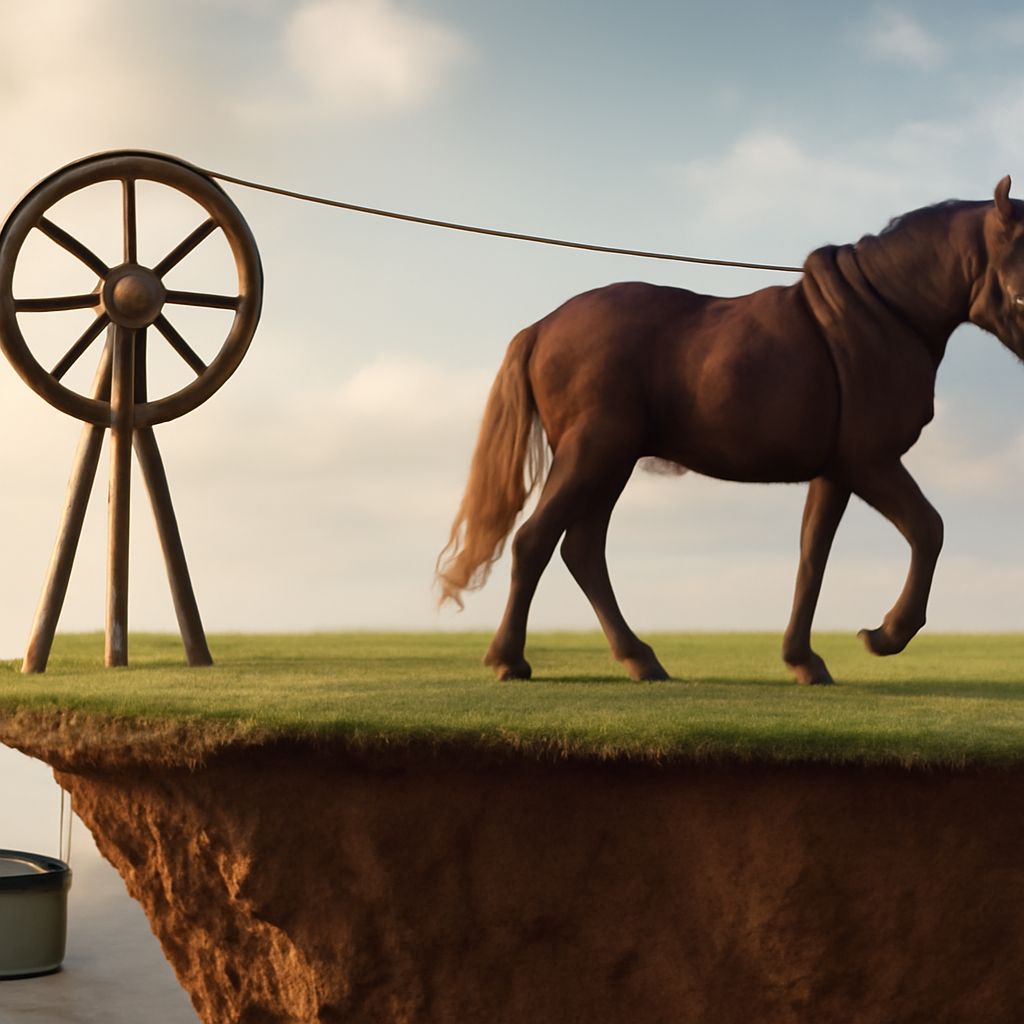
At the heart of this concept lies Watt’s observation of ponies at a coal mine. He estimated a pony could turn a mill wheel 144 times an hour, which led him to calculate that an average horse could generate about 33,000 foot-pounds per minute. This became the baseline for defining one horsepower.
Over time, horsepower has evolved to measure various types of engines beyond the industrial era. Its origins in equine labor still echo in today’s advanced technologies, from cars to the printing presses that power our communication.
How Much Horsepower Does a Horse Actually Have?
It’s intriguing to note that a horse, in reality, does not consistently produce one horsepower. The average horse can generate around 14.9 horsepower at peak exertion. This number varies based on factors such as breed, size, and health.
The concept of horsepower was more symbolic than scientific. Horses can exert more power for short bursts, but their sustained power output is significantly less. Understanding that “how many horsepower is a horse” involves these nuances enriches our appreciation of both history and biological potential.
While horses were once the standard measure, advancements in measuring engine capacity and power output have expanded beyond this traditional metric. However, the term persists, bridging our industrial past with modern innovation.
Why Is Horsepower Important in Printing?
In the printing industry, horsepower remains a critical factor. Printing machines rely on engines that need precise power measurement to ensure efficiency and performance. Horsepower helps in assessing these engines’ ability to handle tasks from simple to complex printing operations.
Understanding engine capacity through horsepower allows manufacturers to design equipment that meets specific printing demands. It ensures that machines are neither underpowered nor overpowered, maintaining optimal energy usage and output.
In professional printing environments, where time is money, knowing the horsepower of printing equipment can directly impact productivity. It ensures that printers operate smoothly, reducing downtime and enhancing output quality.
Pro tips recap: Understanding the origins of horsepower provides insight into this enduring measurement’s role in technology. Knowing that an average horse generates around 14.9 horsepower can clarify how this term translates into real-world applications. In the printing industry, horsepower is vital for assessing and optimizing printing equipment performance, ensuring efficiency and quality in output.