How to Choose the Best Center Channel Speaker for Your System
Start with your receiver’s supported speaker impedance and the space available beneath or above your screen. The best center-channel speakers for an existing system fit both constraints and sound at home alongside the left and right speakers.
Your best choice of center speaker should make dialogue clear from your usual seats without drawing attention to itself as voices move across the screen. Use the checks below to narrow the field before comparing prices.
Check the receiver’s load and connections
Find the impedance range in your receiver’s manual, then compare it with each candidate’s nominal impedance, expressed in ohms. The center-channel speaker that best fits the receiver has a rating within its supported range. If the manual specifies a speaker-impedance setting, follow its instructions before connecting the speaker.
Power figures need context. Receiver output varies with the measurement conditions, and a speaker’s recommended amplifier power is a range, not a target you must match exactly. Sensitivity, usually stated in decibels at a specified distance and input, gives a clue to how loudly a speaker plays with a given signal. Compare figures measured under the same conditions; a less sensitive model may need more amplifier power for the same listening level.
The best center channel speaker for a modest receiver is one it can drive cleanly at your normal volume. If voices become harsh or distorted when you turn it up, lower the volume. For a large room or loud listening, the best speaker for the center channel combines suitable sensitivity with a capable receiver.
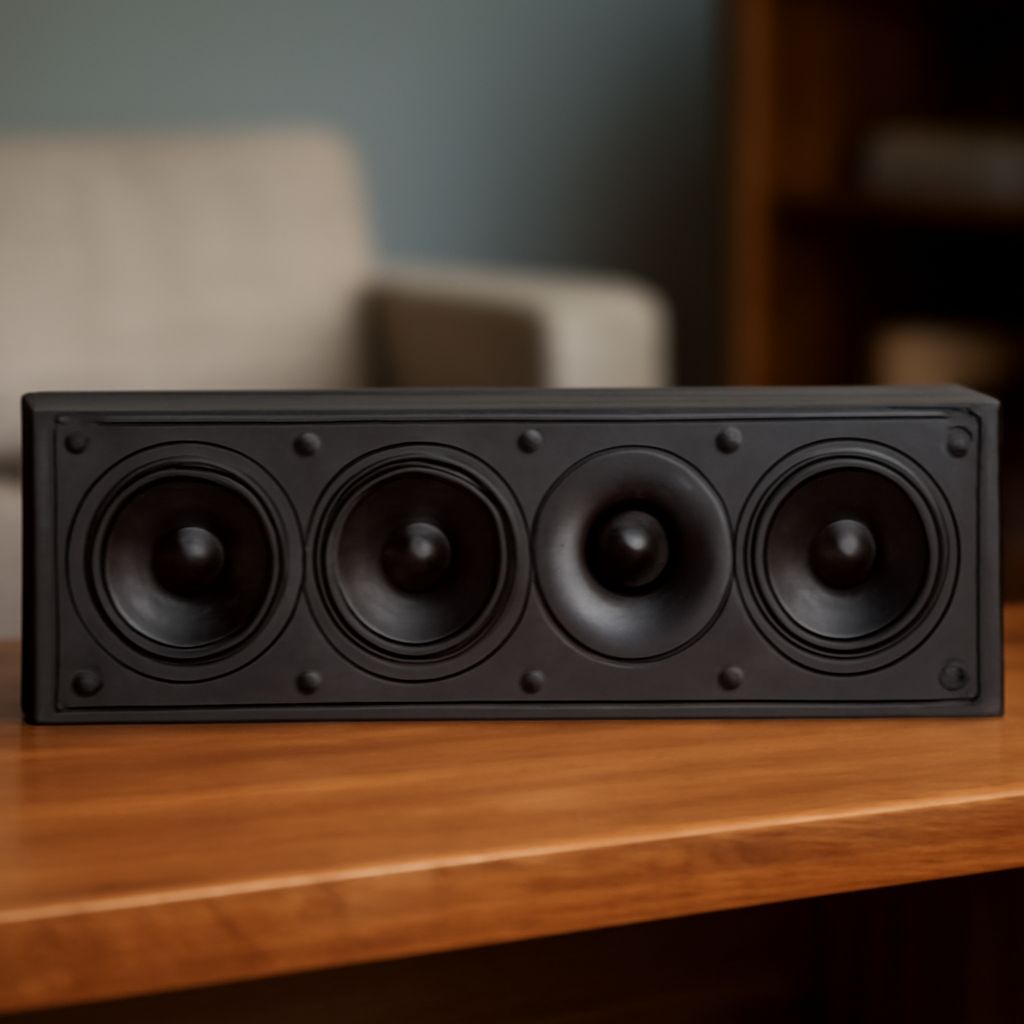
Most separate center speakers are passive: they connect to the receiver’s center speaker terminals with speaker wire. Turn the receiver off before wiring, connect positive to positive and negative to negative, and check that no loose strands bridge the terminals. A powered model needs a compatible line-level center output instead; do not connect a receiver’s amplified speaker output to its line input.
Best center speaker placement for clear dialogue
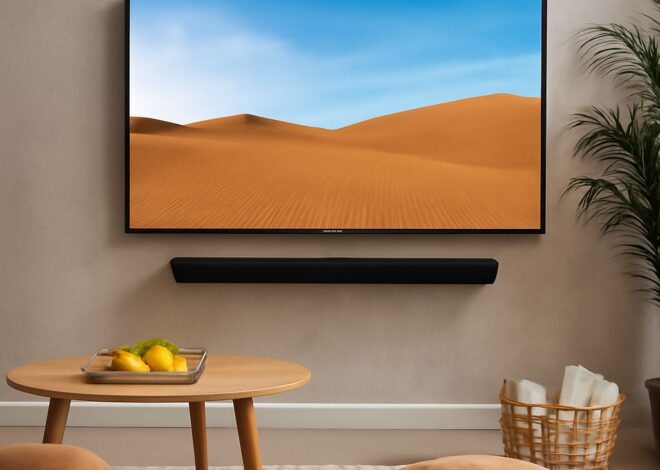
To find the best-fitting center speaker, measure the shelf’s width, height, and depth, including clearance for connections and manufacturer-specified ventilation. The best center speaker is of little use if its cabinet blocks the screen or cannot fit where it needs to go.
Place the speaker centered above or below the screen, aimed toward seated ear height. If it sits low, a stable angled stand or wedge can point it upward. Keep the front of the cabinet close to the shelf’s front edge so the shelf is less likely to reflect sound toward the listener. Secure it against tipping and leave space around any rear port according to the maker’s guidance.
Listen from more than the middle seat. Some horizontal designs change noticeably in clarity as you move sideways. A center-channel speaker that sounds best across your actual seating area may be a better fit than one that impresses only directly in front of it. To identify the best center-channel speaker for your room, audition candidates there or buy from a retailer with a suitable return policy.
Match the front speakers
The left, center, and right speakers share voices and effects as action moves across the picture. Similar tonal character helps that movement sound consistent. For the best match, shortlist a center-channel speaker from the same series as your existing front speakers, if available; confirm the match by listening.
Play a familiar scene with a voice moving across the screen. Listen for a sudden change in tone as the voice passes through the middle. Also try quiet dialogue over music. The best center channel speaker for your setup should keep words intelligible without making voices sound thin or unnaturally bright next to the other channels.
A center speaker that works best with your existing fronts may come from another series. To find the best-sounding center speaker, compare candidates at similar volume levels, using the same listening position and material. If the room forces the speaker into a cabinet, test it there: nearby surfaces can change its sound.
Set the level and make the final choice
After installation, run the receiver’s speaker setup or room calibration, then check the center level with familiar dialogue. Enter the measured distance if setting it manually. If voices are still too quiet, make a small level adjustment and listen again across several scenes. When using a subwoofer, follow the receiver and speaker guidance for the crossover, which directs lower frequencies to the subwoofer.
The best high end center channel speaker is worth its premium only if its clarity, coverage, and fit improve your system. Compare a high-end center-channel speaker with a less expensive option at matched levels. Choose the center channel speaker that best meets your receiver’s requirements, fits its intended position, and keeps dialogue natural across the seats you use.