DVI vs HDMI: Which is Better for Printers?
Imagine you’re setting up your new office space. You’ve got a top-notch printer at your disposal, ready to handle all your printing demands, but you’re faced with a decision: DVI or HDMI? You might wonder, “Is DVI better than HDMI for my printing needs?” Understanding how these connections affect your printer’s performance can make all the difference in achieving optimal image quality.
What Are DVI and HDMI?
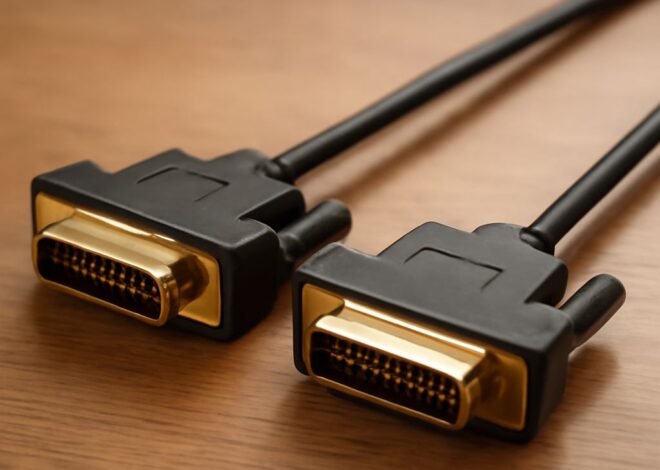
DVI (Digital Visual Interface) and HDMI (High-Definition Multimedia Interface) are two prevalent technologies used to transmit video signals. While DVI primarily supports video transmission, HDMI carries both video and audio, making it a versatile choice for many devices. These interfaces offer various pin configurations and support different resolutions, catering to a range of technical specifications.
With DVI, you often encounter a robust connection suitable for displays that require digital and analog signals. Meanwhile, HDMI is widely adopted for its straightforward connectivity and capability to transfer high-definition content. Both interfaces have distinct advantages and limitations, influencing how they interact with your printing devices.
How Do DVI and HDMI Impact Printer Performance?
The way DVI and HDMI affect printer performance depends on several factors, including resolution and signal clarity. DVI connections are known for delivering clear digital signals, which can enhance the precision of image outputs, especially for large format printers. HDMI, offering simplicity and audio support, is primarily beneficial in multifunctional environments where video and sound integration is necessary.
Utilizing a DVI connection may contribute to more stable video signal transmissions, leading to improved consistency in color reproduction. HDMI, on the other hand, can simplify your setup by reducing the number of cables needed, thus minimizing potential clutter.
For those who prioritize high-detail printing, understanding how these connections impact color accuracy and signal integrity is crucial. Both DVI and HDMI have their roles, but their influence on printer output will largely depend on your specific requirements and existing hardware configurations.
Is DVI Better Than HDMI for Printers?
Deciding whether DVI is superior to HDMI for printers involves examining what each offers in terms of compatibility and performance. DVI is often preferred for tasks requiring precise color calibration and higher resolutions. Its ability to handle dual-link support makes it a strong contender in professional settings where image quality is paramount.
However, HDMI is not without its merits. Its ease of use and widespread adoption make it an attractive option for general office environments where simplicity and convenience are desired. The added benefit of audio transmission can also be a deciding factor in multifunctional devices.
The choice between DVI and HDMI will ultimately depend on your specific printing needs, including the type of media you work with and the level of detail required in your output. While DVI may offer advantages in certain scenarios, HDMI’s versatility cannot be overlooked.
Which Connection is Best for Your Printing Needs?
Selecting the best connection for your printing requirements involves weighing the pros and cons of each interface. Consider the nature of your print jobs—whether they demand high-resolution images or if the simplicity of HDMI’s plug-and-play capability better suits your workflow.
Evaluate your existing equipment and the importance of features like audio support. If your setup includes multifunctional devices, HDMI’s all-in-one transmission could streamline your operations. On the other hand, if precision and high-quality visuals are critical, DVI’s robust video support might be necessary.
Understanding your specific needs and the technical demands of your printing projects will guide you in making an informed decision. Consider consulting with technology specialists to explore the compatibility and performance impacts further.
Safety Recap: When dealing with connections such as DVI and HDMI, ensure your devices are powered off before making changes to prevent any potential damage. Always handle cables with care to maintain signal integrity and prolong their lifespan.