Understanding DVI-A in General Printers
Imagine you’re in a bustling print shop, surrounded by the rhythmic sounds of machines hard at work. You’re tasked with ensuring that every printed graphic is sharp and vibrant. To achieve this, understanding the role of DVI-A in your general printers is crucial. The connection between your digital graphics and their printed counterparts hinges on this technology. As you delve deeper, the importance of DVI-A becomes clear, making it an essential component in your printing arsenal.
What is DVI-A?
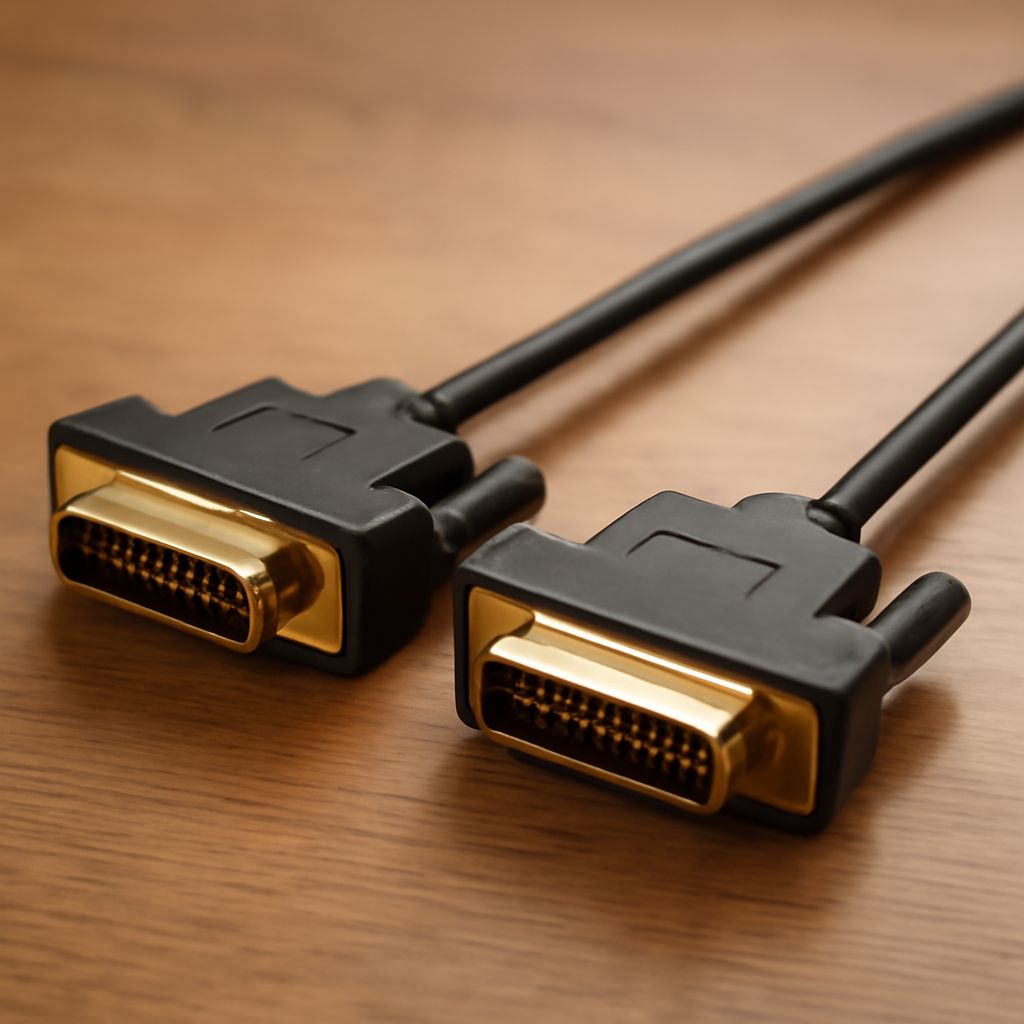
DVI-A, or Digital Visual Interface – Analog, is a connection standard that bridges digital devices to analog displays. Unlike its digital counterpart, DVI-D, the analog variant is designed for transmitting signals to monitors that still rely on analog inputs. Characterized by its unique pin configuration, DVI-A ensures that digital sources can still be compatible with older display technology.
This format leverages the analog capabilities of devices to facilitate high-quality video outputs. As a part of the broader family of DVI standards, DVI-A serves a specialized purpose by maintaining compatibility with CRT and some LCD screens. While newer technologies may focus on purely digital interfaces, DVI-A remains a valuable tool for preserving backward compatibility in mixed-technology environments.
How Does DVI-A Work in Printing?
In the realm of printing, DVI-A plays a pivotal role in ensuring that digital graphics are accurately translated to print-ready formats. By converting digital signals into analog ones, DVI-A allows printers to interface with various graphic inputs, regardless of their origin. This conversion is essential for maintaining the integrity of the image during the printing process.
Printers equipped with DVI-A capabilities benefit from a robust connection that supports a range of graphic resolutions. The analog signal ensures that the color and detail of the digital source are faithfully reproduced in print. This is particularly critical when dealing with high-resolution graphics where precision is paramount.
Moreover, the use of DVI-A in general printers helps streamline the process between digital design and physical output, ensuring that designers can work with a variety of input sources without compatibility issues.
Benefits of Using DVI-A in Printers
The incorporation of DVI-A into printing systems offers several advantages. Firstly, it provides unparalleled compatibility with existing analog equipment, allowing businesses to maximize their current technology investments. This compatibility extends the lifespan of older monitors and printers, postponing the need for costly upgrades.
Another significant benefit is the preservation of image quality. The analog transmission ensures minimal signal degradation, maintaining the fidelity of the original digital content. This is crucial for professionals who demand high-quality prints for their work.
Additionally, DVI-A supports a wide range of resolution options, providing flexibility in handling different types of print jobs. This adaptability makes it an invaluable component for print shops that manage a diverse portfolio of projects.
Common Challenges with DVI-A
Despite its benefits, using DVI-A is not without challenges. One primary issue is the gradual phasing out of analog technology, which may limit the availability of DVI-A compatible devices in the future. As digital interfaces become the norm, finding replacement parts or compatible monitors might become increasingly difficult.
There is also the challenge of signal interference. Analog signals are generally more susceptible to degradation from electromagnetic interference, which can affect print quality. Users must ensure that their setup minimizes exposure to such interference to maintain optimal performance.
Lastly, while DVI-A provides backward compatibility, it may not support the latest high-definition resolutions as efficiently as purely digital connections. This limitation can be a consideration for those looking to print ultra-high-definition graphics.
Incorporating DVI-A into your printing workflow offers a pathway to compatibility and quality, provided that you navigate its challenges with expertise and foresight.