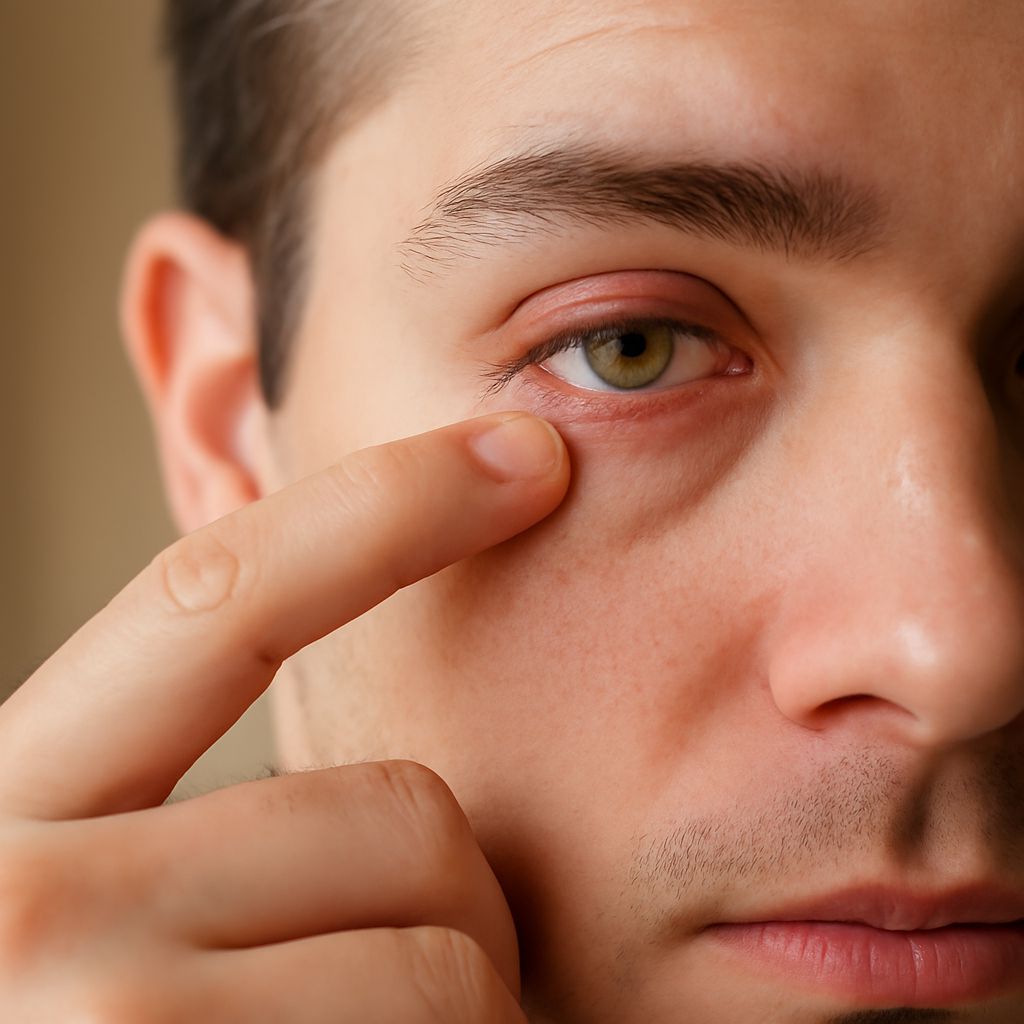
Stye Eye: Understanding and Managing This Common Issue
Imagine waking up one morning with an irritating, swollen bump on your eyelid. The discomfort is unmistakable, and you soon realize you’re dealing with a stye eye. You’ve heard about various stye treatments but aren’t sure which one is most effective. As you navigate this common eye issue, understanding its causes and how to get rid of a stye can be crucial in alleviating your symptoms.
Styes are not only painful, but they can also be recurrent if not properly managed. As you dive into effective stye treatment options, learning about preventive measures can save you from future discomfort. Let’s explore the causes, treatments, and preventive strategies for this pesky eye condition.
What Causes a Stye Eye?
A stye, medically known as a hordeolum, is an acute infection of the oil glands in the eyelid, primarily caused by the bacteria Staphylococcus aureus. When the glands become clogged, they can get inflamed, leading to the formation of a stye. Not maintaining proper eyelid hygiene can exacerbate this condition, making it more likely for a stye to appear.
Poor hygiene practices, such as not removing eye makeup thoroughly or frequently touching your eyes with unclean hands, can introduce bacteria to the eyelid area. Additionally, using expired or contaminated eye products might also contribute to the development of a stye. Sometimes, underlying conditions like blepharitis can make one more susceptible to these eyelid infections, resulting in more frequent occurrences.
Moreover, certain risk factors like stress and hormonal changes can increase the likelihood of stye formation. Individuals who wear contact lenses without proper cleaning or those with a history of eye infections may also be at greater risk.
How to Get Rid of a Stye: Effective Treatments
Addressing a stye promptly can alleviate discomfort and prevent complications. Applying warm compresses several times daily is a simple yet effective method to promote drainage and reduce swelling. The warmth from the compress enhances blood circulation to the affected area, facilitating the healing process.
Over-the-counter stye ointments and eye drops are also available and can help in reducing symptoms. These medications often contain antibiotics or anti-inflammatory agents that assist in combating the infection. It’s important to follow instructions on these products to ensure optimal results.
In some cases, if a stye does not respond to home remedies or over-the-counter treatments, medical intervention may be necessary. A healthcare provider might prescribe oral antibiotics or perform a minor surgical procedure to drain the stye. It’s crucial to avoid squeezing or popping a stye, as this can worsen the infection or spread it to other parts of the eye.
Preventing Future Styes: Best Practices
Preventing styes involves adopting good hygiene practices and addressing any underlying conditions. Regularly washing your hands and avoiding touching your face can significantly reduce the risk of transferring bacteria to your eyes. Ensuring that eye makeup is removed thoroughly each night is also essential to prevent clogging of the oil glands.
Replacing eye makeup products frequently and avoiding sharing them can help prevent contamination that might lead to stye formation. If you wear contact lenses, ensure they are cleaned properly and replaced as recommended by your eye care professional.
Additionally, managing stress through relaxation techniques like meditation or yoga can help maintain a robust immune system, making it less likely for a stye to develop. If you experience frequent styes, consulting with an eye specialist might provide insights into underlying issues and further preventive steps.
Bottom line: Understanding the causes and treatments of stye eye is key to managing this common issue. By following effective treatment strategies and adopting preventive measures, you can reduce the likelihood of stye recurrence and safeguard your eye health.