IPS vs LED: Understanding the Differences
Imagine sitting in your home office, ready to upgrade your workspace with a new display. You’ve heard about the impressive clarity of IPS monitors and the vibrant colors of LED displays, but you’re unsure which is best for your needs. Understanding the differences between an IPS monitor vs LED screen can help you make an informed decision that enhances your wireless connectivity and viewing experience.
What Are IPS and LED Technologies?
IPS, or In-Plane Switching, is a type of LCD technology known for its superior color accuracy and wide viewing angles. This technology rearranges the liquid crystals within the display, allowing for consistent color from almost any angle. IPS has become a popular choice for professional designers and photographers who demand precise color reproduction.
On the other hand, LED, which stands for Light Emitting Diode, refers to the backlighting technology used in screens. LED backlights can illuminate an LCD panel, enhancing brightness and offering more energy efficiency. LED displays often provide vivid colors and sharper contrasts, making them appealing for everyday use and entertainment.
How Do IPS Monitors Compare to LED Displays?
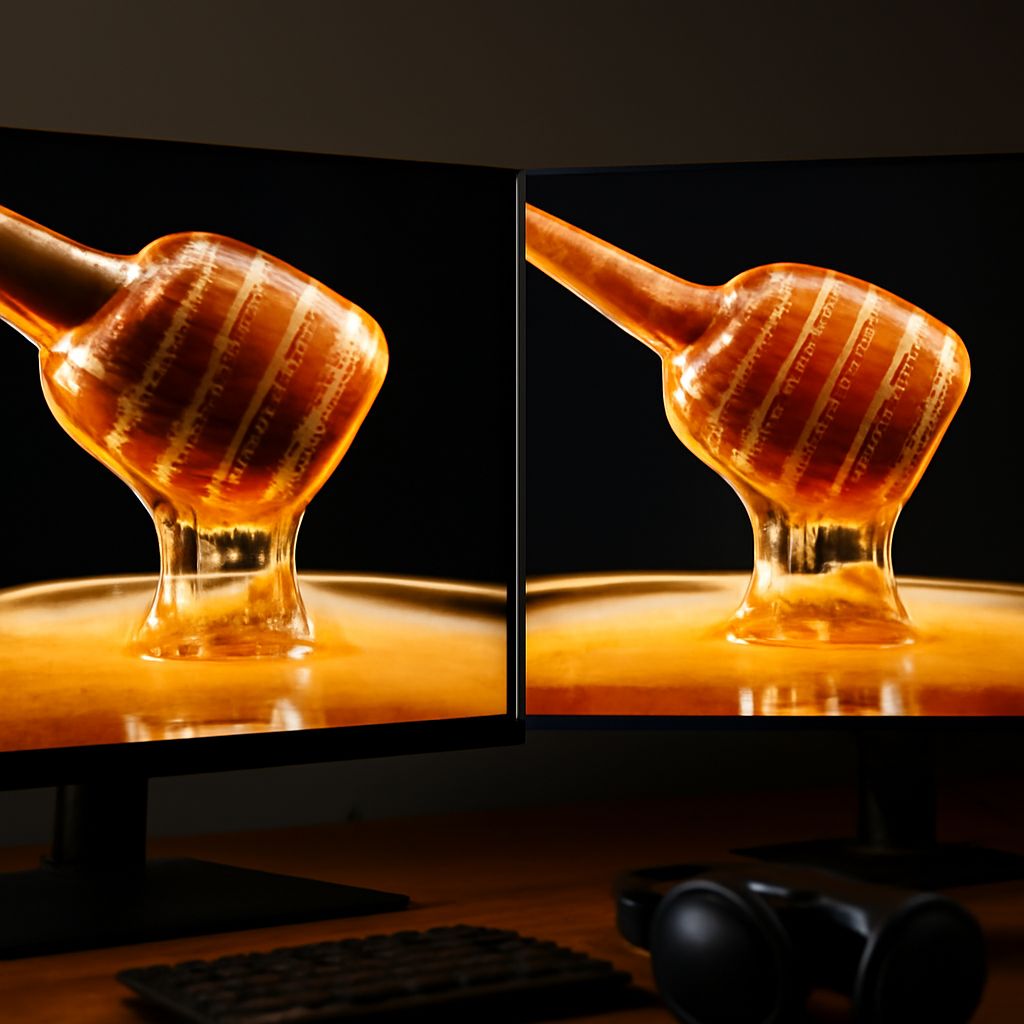
When comparing IPS displays to LED screens, it’s essential to recognize that an IPS monitor often incorporates LED backlighting. The distinction lies in the type of panel and the backlighting used. IPS panels are notable for offering consistent and true-to-life colors, even when viewed from the sides, which is a significant advantage over traditional LED displays.
LED screens, especially those using VA or TN panels, might not deliver the same uniformity in color or viewing angles as IPS. However, they typically excel in terms of brightness and contrast. This can make them particularly suitable for gaming or environments where high contrast and refresh rates are desired.
Overall, an IPS monitor with LED backlighting can offer the best of both worlds, combining the accurate color reproduction of IPS with the efficiency and brightness of LED technology.
Why Choose an IPS Monitor Over LED?
There are compelling reasons to opt for an IPS monitor instead of a standard LED display. One of the primary reasons is the exceptional color consistency that IPS provides. Whether for professional graphic design, photo editing, or simply enjoying media, the clarity and precision of colors can significantly enhance the experience.
Furthermore, IPS monitors are renowned for their wide viewing angles. This characteristic ensures that images remain clear and colors consistent regardless of where you are sitting. This can be particularly advantageous in collaborative settings where multiple viewers are present.
While IPS technology may come at a higher price point, the investment is often justified for users who prioritize visual quality and accurate color representation in their daily tasks.
Are There Situations Where LED is Better Than IPS?
Despite the strengths of IPS, there are scenarios where a regular LED display might be preferable. For users focused on gaming, LED screens with VA or TN panels can offer lower latency and faster response times. These features are crucial for fast-paced, competitive gaming environments.
Additionally, LED displays are often more cost-effective. If budget constraints are a primary concern, a high-quality LED screen can still provide impressive visuals without the steeper cost of IPS technology.
LED screens with higher brightness capabilities might also be advantageous in bright environments, where maintaining visibility is critical. This can make them suitable for outdoor displays or rooms with significant natural light exposure.
Bottom line: Whether to choose an IPS monitor or an LED display depends largely on your specific needs and preferences. Understanding the strengths and trade-offs of each technology ensures you make the best decision for your viewing and connectivity requirements.