Wide Format Printer: The Complete Guide for Architects, Designers, and Print Shops
Wide Format Printer: The Complete Guide for Architects, Designers, and Print Shops
You have a set of construction drawings that need to be printed at full scale — 24 x 36 inches — and your office laser printer tops out at 8.5 x 14. A wide format printer handles sheets and rolls up to 60 inches wide, which is why architects, engineers, and sign shops rely on them daily. If you are shopping for a blueprint printer for the first time, or replacing an aging machine that jams more than it prints, this guide gives you the practical information you need.
The terms wide printer, plan printer, and blue print printer all describe the same general category of equipment, though each emphasizes a different use case. Wide format describes the hardware. Plan printer describes the application. Blueprint printer carries the historical association with cyan-toned technical drawings, though modern versions print in full color. Whatever you call it, the buying decision comes down to media type, output speed, and total cost of ownership.
What Is a Wide Format Printer?
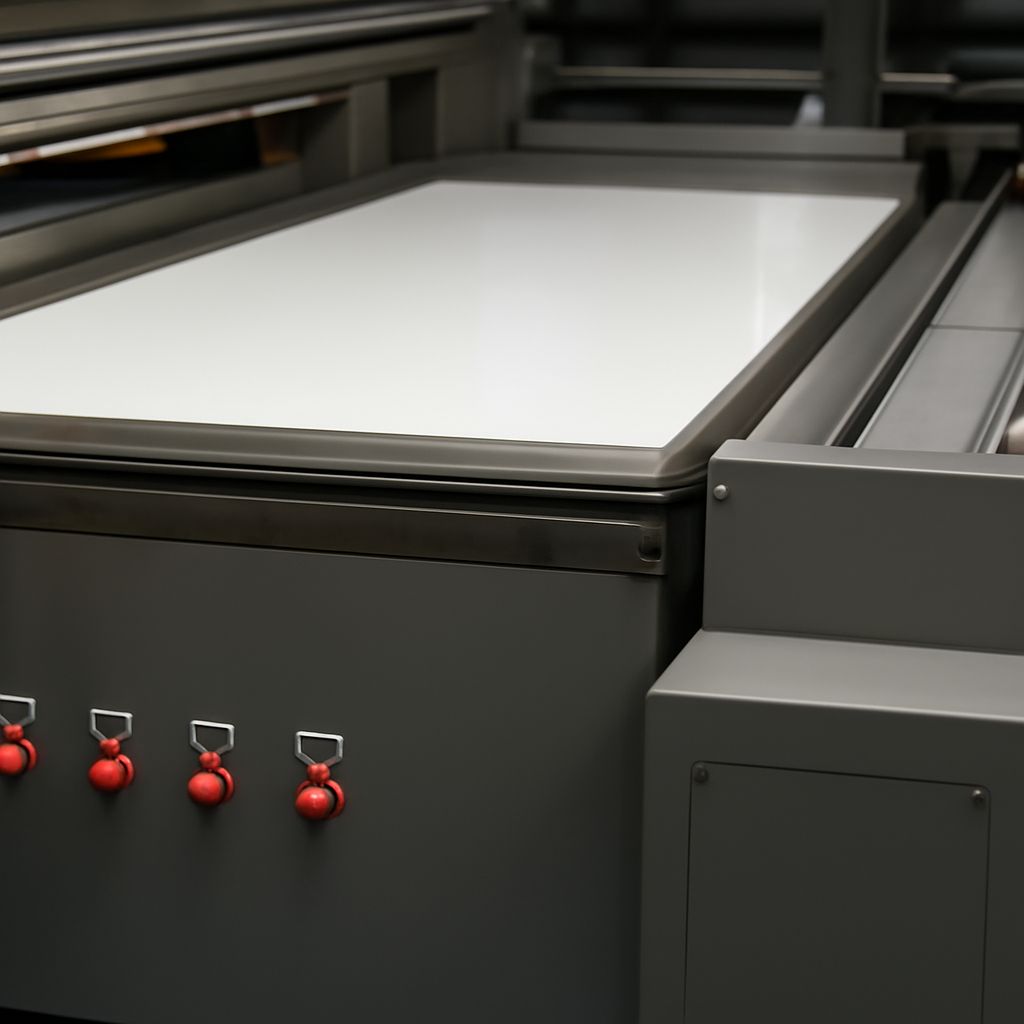
A wide format printer is any printer that handles media wider than 17 inches. Most models in this category use inkjet technology, spraying microscopic droplets of ink onto paper, film, or fabric. The print heads move across the media on a carriage system, and a motorized feed mechanism advances the roll or sheet after each pass. Resolution ranges from 600 DPI on fast-draft production machines to 2400 DPI on high-accuracy technical plotters. Ink types include aqueous (water-based, good for paper and photo media), latex (durable, flexible, good for signage), and UV-curable (hardens instantly under UV light, used for rigid substrates).
Common Uses for a Blueprint Printer
Architectural and engineering firms use a dedicated plan printer to output construction documents, site plans, and structural drawings at 1:1 scale. Interior designers print mood boards and material samples at full size. Print shops use wide format for posters, banners, and trade show graphics. Photographers use large-format inkjet machines for gallery prints up to 44 inches wide. The same hardware platform handles all of these — what differs is the ink type, media choice, and the RIP software used to manage color output.
How to Choose the Right Plan Printer for Your Needs
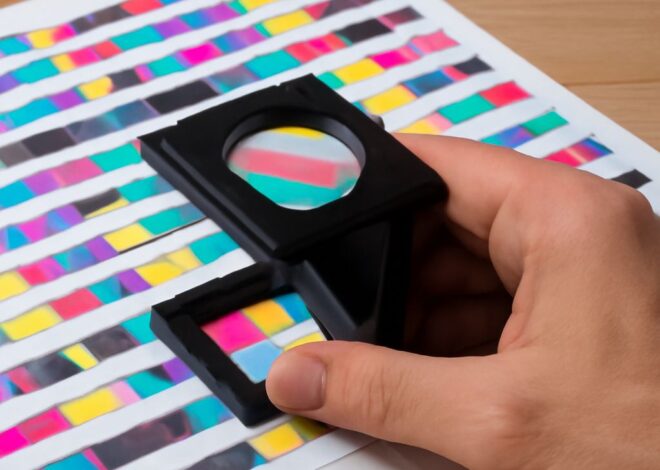
Start with media width. If your standard drawing size is ANSI D (22 x 34 inches) or ARCH D (24 x 36 inches), a 24-inch or 36-inch machine works. For E-size drawings (34 x 44 inches) or larger, go to a 44-inch or 60-inch model. Next, consider speed. Technical documents print in draft mode at 60–90 D-size sheets per hour on fast machines; quality mode cuts that in half. For color accuracy in presentation graphics, look at Delta-E ratings in product documentation — lower numbers mean more accurate color reproduction. Finally, check the cost per print: ink cartridge yields, media costs, and maintenance kit frequency all factor into the real cost of operating a wide-format unit over three to five years.
Wide Printer Setup and Media Handling
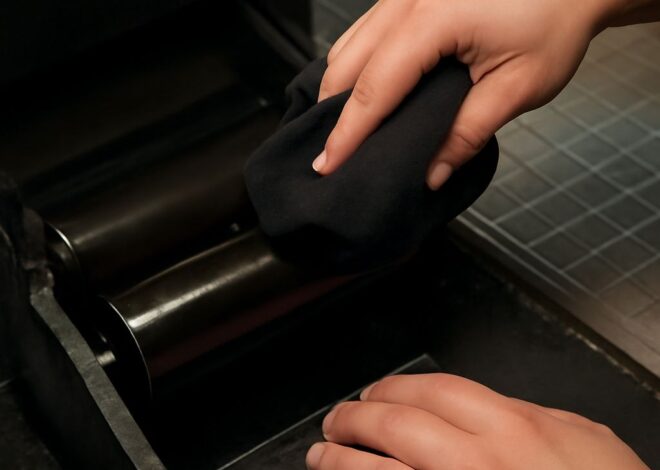
Most wide-format printers arrive on a stand with a roll media holder. Threading the media through the feed path takes about five minutes following the diagram in the manual. Bond paper rolls (the standard for technical drawings) are inexpensive and feed reliably. Photo paper and coated presentation media cost more and require selecting the correct media type in the printer driver to get accurate ink density. Keeping the platen clean prevents ink smears on long roll prints. Every manufacturer recommends running a nozzle check weekly and a head cleaning cycle whenever you see banding or missing lines in output.
Costs and Ongoing Maintenance
Entry-level 24-inch technical plotters from HP and Canon start around $500–$800. Mid-range 36-inch models with color capability run $1,500–$3,500. Production-grade 44-inch and 60-inch units cost $5,000 and up. Ink for technical drawing on bond paper costs roughly $0.10–$0.25 per square foot. Color presentation prints on coated media run $0.50–$2.00 per square foot depending on ink coverage. Maintenance kits (wiper blades, capping stations) are typically needed every 50,000 to 100,000 prints and cost $100–$400 depending on the model.