Wide Format Inkjet Printer: Large Format Color Printing and Cardboard Options
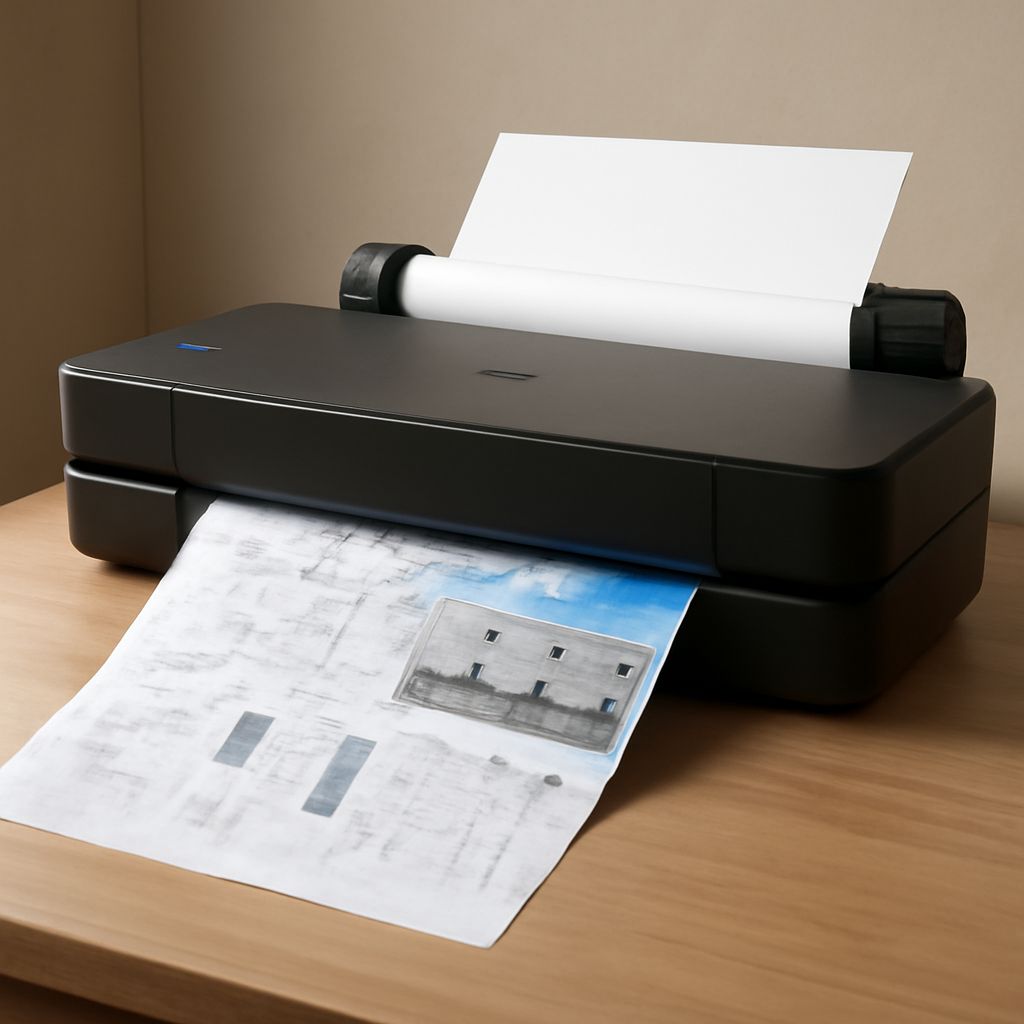
You’ve outgrown letter-size printing and need to produce posters, architectural drawings, or large marketing materials in-house. A wide format inkjet printer handles output wider than 24 inches and up to 60 inches or more, eliminating the cost and turnaround time of sending work to an external print shop. For businesses producing their own signage or packaging, a large format inkjet printer or even a cardboard printer offers significant operational advantages over outsourcing.
The market for large format color printer hardware spans from desktop 24-inch models suitable for small studios to 64-inch production machines used in commercial print shops. Understanding which tier fits your volume and substrate needs determines whether a wide format inkjet printer pays for itself or sits underutilized. A box printer or cardboard printing solution adds another dimension entirely for packaging applications.
What Wide Format Inkjet Printers Are Used For
A wide format inkjet printer is the production workhorse for several categories of printed output:
- Technical drawings and CAD output for architecture and engineering firms
- Retail signage and point-of-sale displays on coated or backlit media
- Photographic prints for galleries, portrait studios, and photographers
- Soft signage on fabric media for trade shows and events
- Vehicle graphics and window films on vinyl media
- Fine art reproduction on canvas, fine art paper, and specialty substrates
The wide format category runs on aqueous, solvent, eco-solvent, UV-curable, or latex ink systems, each suited to different substrates and durability requirements. Aqueous inkjet is standard for indoor fine art and photography. Latex and eco-solvent are used for outdoor graphics and vehicle wraps.
Large Format Inkjet Printer: Key Specs
When evaluating a large format inkjet printer, these specifications determine whether it fits your workflow:
Print width: 24-inch models handle posters, A0 technical drawings, and photographic work. 44-inch models expand to banners and trade show graphics. 64-inch machines are production-grade for signage shops.
Ink configuration: 4-color (CMYK) is the baseline for graphics work. 6-color and 8-color configurations add light ink variants that extend the gamut and reduce visible grain in photo work. 12-color systems used in fine art printing provide the widest color gamut available in inkjet technology.
Media handling: Roll feed is standard. Sheet feed for rigid media is available on flatbed models. Maximum media weight determines what substrate thicknesses the printer can handle.
RIP software: Most wide format printers ship with or require a separate RIP (Raster Image Processor) for color management, tiling, and media profile management. Onyx, Wasatch, and EFI Fiery are the major platforms.
Large Format Color Printer: Aqueous vs. Latex vs. UV
The ink type built into a large format color printer determines where and how the output can be used:
Aqueous inkjet produces the best color accuracy and photo quality for indoor use. Output isn’t waterproof without lamination. Best for photography, fine art, and indoor posters.
Latex ink (HP Latex series, Canon Colorado) produces durable, waterproof output directly without solvent fumes. Good outdoor durability without lamination. Suitable for window graphics, outdoor banners, and vehicle wraps.
UV-curable ink cures instantly under UV lamps built into the printer, enabling printing on rigid substrates like acrylic, aluminum, foam board, and corrugated cardboard. This is where cardboard printer and box printer applications come into play.
Cardboard Printer and Box Printing Options
A cardboard printer in the commercial sense is typically a UV flatbed printer capable of accepting corrugated or solid cardboard sheets directly on the flatbed. These machines print packaging prototypes, custom boxes, point-of-purchase displays, and short-run packaging without the tooling costs of traditional flexographic or offset printing.
For box printing at production volumes, digital inkjet packaging printers from manufacturers like EFI Nozomi, HP PageWide, and Durst handle high-speed single-pass printing on corrugated board. These are industrial machines beyond the budget of most small businesses but relevant to packaging companies looking to bring short-run digital box printing in-house.
For smaller operations, a UV flatbed printer in the $15,000 to $50,000 range can print custom boxes and packaging prototypes on demand, which eliminates minimum order quantities from packaging suppliers and allows rapid product packaging iteration.
Choosing the Right Wide Format Inkjet Printer
The practical decision framework comes down to three questions: What substrates do you need to print on? What print width covers your largest required output? And what volume of printing justifies the investment?
For indoor photo and fine art work, an aqueous wide format inkjet printer from Epson (SureColor P series) or Canon (imagePROGRAF series) is the right tool. For outdoor graphics and signage, HP Latex or Canon Colorado offers durability without solvent fumes. For cardboard and rigid substrates, a UV flatbed printer addresses needs that roll-feed inkjets cannot.
Next steps: Request demo prints from dealer showrooms before committing to any wide format purchase. Ink and media costs are often higher than the machine’s purchase price over a 3-5 year ownership period, so total cost of ownership matters more than upfront price. Get consumable pricing in writing alongside the machine quote.