TPR Material: An Introduction to Thermoplastic Rubber in 3D Printing
Imagine you’re designing a custom shoe sole or a flexible phone case and want your 3D print to feel soft, resilient, and slightly rubbery—just like products on store shelves. As you search for the right material, you come across TPR material, a flexible option with unique properties suited for a variety of applications. Thermoplastic rubber delivers remarkable versatility, combining the elasticity of traditional rubber with the easy processing of thermoplastics, making it an ideal candidate for innovative 3D printing projects.
In the realm of 3D printing, the selection of thermoplastic rubber (TPR) opens doors to projects that demand both flexibility and toughness. Whether you’re prototyping ergonomic grips or producing functional gaskets, understanding the advantages of TPR can elevate your print quality and expand your design possibilities. This article covers what sets TPR apart from other plastics, its benefits, how to print successfully with it, and the typical uses for thermoplastic rubber in the additive manufacturing space.
What is TPR Material and How Does It Differ from Other Plastics?
TPR, or thermoplastic rubber, is a family of materials engineered to offer the softness and elasticity typical of vulcanized rubber, while maintaining the melt-processability of thermoplastic polymers. Unlike conventional plastics that tend to be rigid and brittle, thermoplastic rubbers blend together different polymer chains, resulting in a material that bends, stretches, and rebounds without permanent deformation.
Whereas most traditional plastics—such as polystyrene or ABS—fracture or crack under pressure, TPR compositions exhibit pronounced resilience. The ability of TPRs to be repeatedly melted and reshaped also distinguishes them from thermoset rubbers, which are permanently set after curing and cannot be remelted. This recyclability adds to the appeal of thermoplastic rubber compounds for sustainable manufacturing.
In 3D printing, the differences extend into performance: other flexible filaments, like TPU or TPE, are similar but not identical to TPR. TPRs typically offer a distinct tactile feel and balance between softness and structural integrity, whereas TPEs can be softer and TPUs generally have more abrasion resistance. The specific formulation of a TPR blend can be fine-tuned for hardness, flexibility, and other mechanical attributes, offering designers greater control over their printed parts.
Why Use Thermoplastic Rubber (TPR) in 3D Printing?
The adoption of thermoplastic rubber in additive manufacturing comes from its unique blend of mechanical and processing benefits. For users needing components that can flex, compress, or stretch without permanent damage, TPRs outperform many rigid thermoplastic materials. The resilience of TPR under repeated movement makes it a prime choice for producing wearable items, impact-absorbing pieces, or prototypes requiring real-world movement simulation.
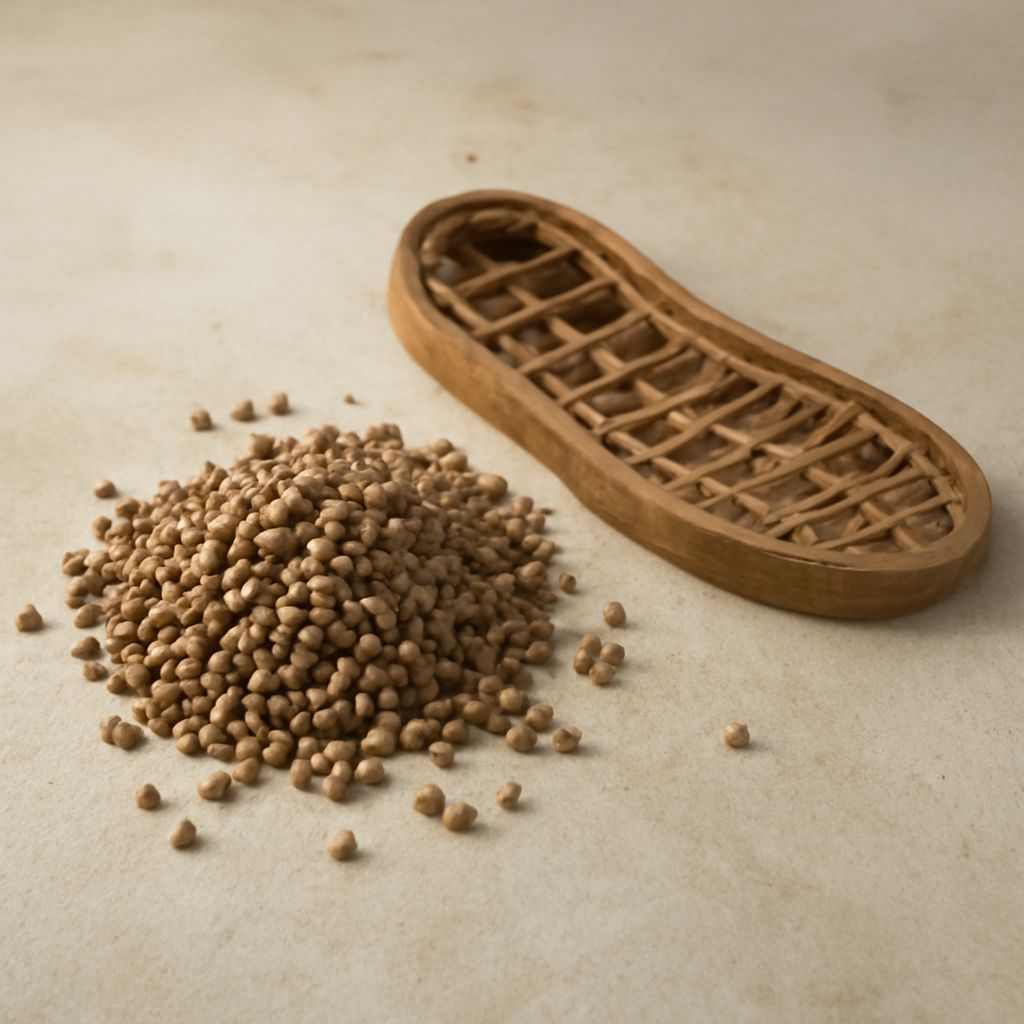
Working with TPR filaments or pellets allows for the creation of parts that combine the comfort of rubbery surfaces with the fabrication convenience of thermoplastics. Unlike older approaches requiring post-processing to achieve elasticity, 3D printing with TPR delivers the finished flexibility directly from the printer. This saves both time and effort, especially for small businesses and designers iterating new concepts.
The ability to repeatedly heat, extrude, and cool thermoplastic rubber not only streamlines repairs and modifications but also enables recycling of failed prints and off-cuts. The eco-friendliness of being able to reuse TPR—unlike more permanent thermosets—contributes to a reduced environmental footprint, an increasingly important factor in today’s industry.
What Are the Key Properties and Benefits of TPR Material?
Thermoplastic rubber is prized for its combination of elasticity, durability, and ease of processing. Its hallmark trait is the capability to stretch and return to its original form, closely mimicking the behavior of natural rubber. This flexibility allows TPR-printed objects to withstand repeated bending, flexing, and squeezing—perfect for items that require a high degree of movement or comfort.
Another advantage is the material’s resistance to wear, fatigue, and impact. When subjected to stress, TPRs show low permanent deformation, which means parts bounce back instead of staying stretched or dented. Their high resistance to tearing and abrasion ensures that products made from thermoplastic rubbers have a longer useful life compared to many rigid materials.
On top of mechanical properties, TPR filaments demonstrate excellent chemical stability and weatherability, making them suitable for indoor and outdoor applications. The ability to modify the hardness or softness of TPR by adjusting formulation gives 3D printing specialists the option to tailor each print to its intended function, from soft handles to sturdy seals. These properties—combined with a pleasant tactile feel and slip-resistant surface—make TPR a popular choice for consumer goods and industrial parts alike.
How to Print with TPR Material: Tips and Best Practices
Successfully printing with thermoplastic rubber takes some practice due to its flexible nature. First, ensure your 3D printer is compatible with soft materials—direct-drive extruders are generally better than Bowden setups for handling TPR filaments. Feeding the material at a slow and steady pace helps prevent jamming, which can occur if the filament compresses inside the extruder.
Optimal printing temperatures for TPR typically range from 200°C to 240°C, but always verify the manufacturer’s suggestions for your specific product. Using a heated bed set between 40°C and 60°C can improve first-layer adhesion, reducing the risk of warping or detachment during the print. Applying adhesives like a glue stick or PEI sheet can further enhance bed grip.
Retraction settings may need to be reduced when working with thermoplastic rubber to avoid stringing and clogging. Keep print speeds moderate—often between 15 and 30 mm/s—to maintain consistent extrusion and surface quality. With practice and careful tuning, you’ll be able to produce reliable, high-quality prints using TPR in your projects.
What Are the Common Applications of Thermoplastic Rubber in 3D Printing?
The versatility of TPR material enables a wide array of uses within additive manufacturing. Designers frequently turn to thermoplastic rubber for producing soft-touch handles, custom phone cases, and ergonomic grips. The elasticity of TPRs makes them ideal for shoe soles, athletic gear, and wearable items where comfort and flexibility are essential.
In industrial and prototyping contexts, TPR is valued for creating gaskets, seals, and vibration-dampening components. The shock-absorbing qualities of thermoplastic rubber can be leveraged in automotive applications, protective bumpers, and flexible couplings. Its resistance to chemicals and weathering also makes TPR suitable for outdoor equipment and waterproof housings.
Beyond these, the capacity to print soft, resilient parts directly from digital designs unlocks custom uses in medical devices, robotics, and consumer goods. Whether fabricating experimental prototypes or end-use components, the adoption of TPR in 3D printing continues to grow as designers seek performance materials that combine comfort, durability, and manufacturing efficiency.