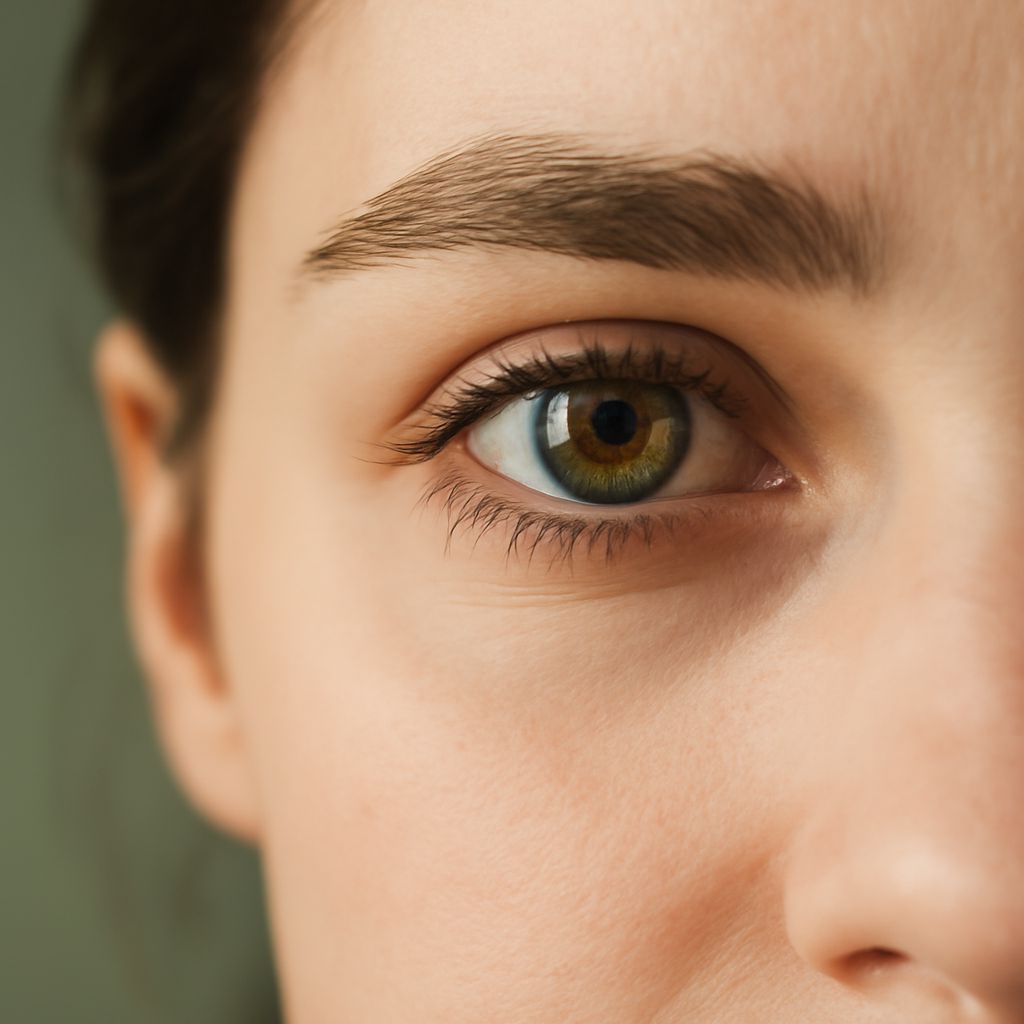
Hazel Eye Color: Understanding the Unique Shade and Its Rarity
Imagine staring at your reflection, captivated by the way your eyes seem to shift color depending on the light—sometimes brown, other times flecked with gold, and often with vivid green undertones. You’ve heard compliments about your unusual hazel eye color, but the specifics remain a mystery. Perhaps you’ve wondered whether your eyes fall into the category of green hazel eyes, or if they’re simply green. Many people are curious about the subtle distinctions between these shades, and you may have even asked yourself, “Are hazel eyes rare?” Unraveling the difference between hazel vs green eyes can help you appreciate what makes your eye color truly unique.
Before diving into the specifics, it’s helpful to understand the characteristics that set hazel apart from other colors, how green hazel eyes stand out, and why these shades continue to fascinate. Let’s explore the science and genetics behind these mesmerizing hues, so you can confidently identify and care for your own distinctive shade.
What Defines Hazel Eye Color and How Is It Different from Other Eye Colors?
Hazel eye color is known for its complex blend of tones and the way it appears to change under different lighting conditions. Unlike the solid pigment seen in classic brown or blue eyes, a hazel iris typically displays a mixture of colors—predominantly brown, but with prominent splashes of green, amber, or gold. The combination of these pigments creates a dynamic appearance, which is why people often describe hazel as a “multicolored” eye shade.
While blue and brown eyes are largely determined by the amount and distribution of melanin (with brown containing the most and blue the least), hazel lies in the middle of the spectrum. The interplay of melanin and the scattering of light by the stroma (a layer within the iris) gives hazel its signature look. It is this unique interaction that differentiates the hazel tint from traditional green or brown eyes. Hazel irises often show a central ring of brownish coloration near the pupil, blending outward into green or gold, resulting in a gradient effect not typically seen in single-pigment eyes.
This multifaceted nature means that hazel eyes can look distinctly different from person to person. Some individuals have eyes that lean more toward golden-brown, while others display a greener or even yellowish tint. These variations make it challenging to categorize hazel eyes definitively, but the presence of at least two color tones—especially green and brown—is a hallmark.
What Are Green Hazel Eyes and How Do They Appear?
Green hazel eyes are a specific variation within the hazel spectrum, characterized by an evident green base accompanied by flecks or rings of brown, amber, or gold. This particular shade stands out for its brightness and the way it can shift in appearance due to differences in lighting or even wardrobe choices. People with this type of iris often find that their eyes appear to change color throughout the day, moving from olive to emerald to hazel-brown depending on surroundings.
In practical terms, green hazel eyes are identified by a dominant green hue with significant secondary tones—commonly a warm brown or a golden shimmer near the pupil. This is distinct from a pure green iris, which lacks the brown or amber undertones that define the hazel category. Individuals with green-hazel coloring will often see a ring of color closest to the pupil, fading outward into a greener outer area.
The appearance of green hazel eyes is further enhanced by environmental factors. For example, natural sunlight can intensify the green or gold flecks, while artificial light may draw out warmer or cooler aspects. This variable display is part of what makes this iris color so intriguing and sought after.
Hazel vs Green Eyes: What’s the Real Difference?
Understanding the variation between hazel and green eyes requires a closer look at both color composition and genetic background. Green eyes are defined by a lack of brown pigment and present a consistent, solid green appearance across the iris. In contrast, hazel irises are multi-tonal, almost always featuring a mix of green, brown, and sometimes amber. The difference can sometimes be subtle, but hazel eyes will always display more than one color, with the shades blending in a way that’s noticeably distinct from the uniformity of green irises.
Linguistically, terms like “hazel-green eyes” are often used interchangeably with “green-hazel,” but true green eyes do not contain significant brown or gold tints. The genetic factors contributing to each shade also differ. While both green and hazel coloring result from lower melanin than brown eyes, hazel shades involve more complex pigment distribution and a higher degree of light scattering through the iris structure.
In summary, the main distinguishing factor is the presence of multiple hues in hazel coloring versus the single-tone vibrancy of true green eyes. This is why, in conversation and even in scientific research, careful observation is needed to distinguish between the two closely related but genetically distinct shades.
Are Hazel Eyes Rare and What Factors Influence Their Occurrence?
The rarity of hazel eyes is a frequent topic of curiosity, especially given the allure surrounding uniquely colored irises. Statistically, hazel eyes are uncommon but not the rarest; estimates suggest that roughly 5% of the global population has this particular shade. This puts hazel ahead of pure green, which is seen in only about 2% of people worldwide, but still far less prevalent than brown or blue eyes.
The occurrence of hazel coloring is influenced by a combination of genetic inheritance and regional background. People of European descent are more likely to have hazel or greenish-hazel eyes, but these shades can also be found in populations with Middle Eastern, North African, and some Asian ancestry. Multiple genes are involved in determining hazel eyes, resulting in a wide range of possible color outcomes within families.
Factors such as gene expression, melanin concentration, and even environmental influences during early development can all impact the exact hue and pattern of an individual’s iris. As research into ocular genetics progresses, our understanding of what makes hazel eyes rare—and how their coloring occurs—continues to evolve, further enriching the fascination for individuals fortunate enough to have this distinctive trait.