Portable Inkjet Printer: How Handheld Printing Works and What to Buy
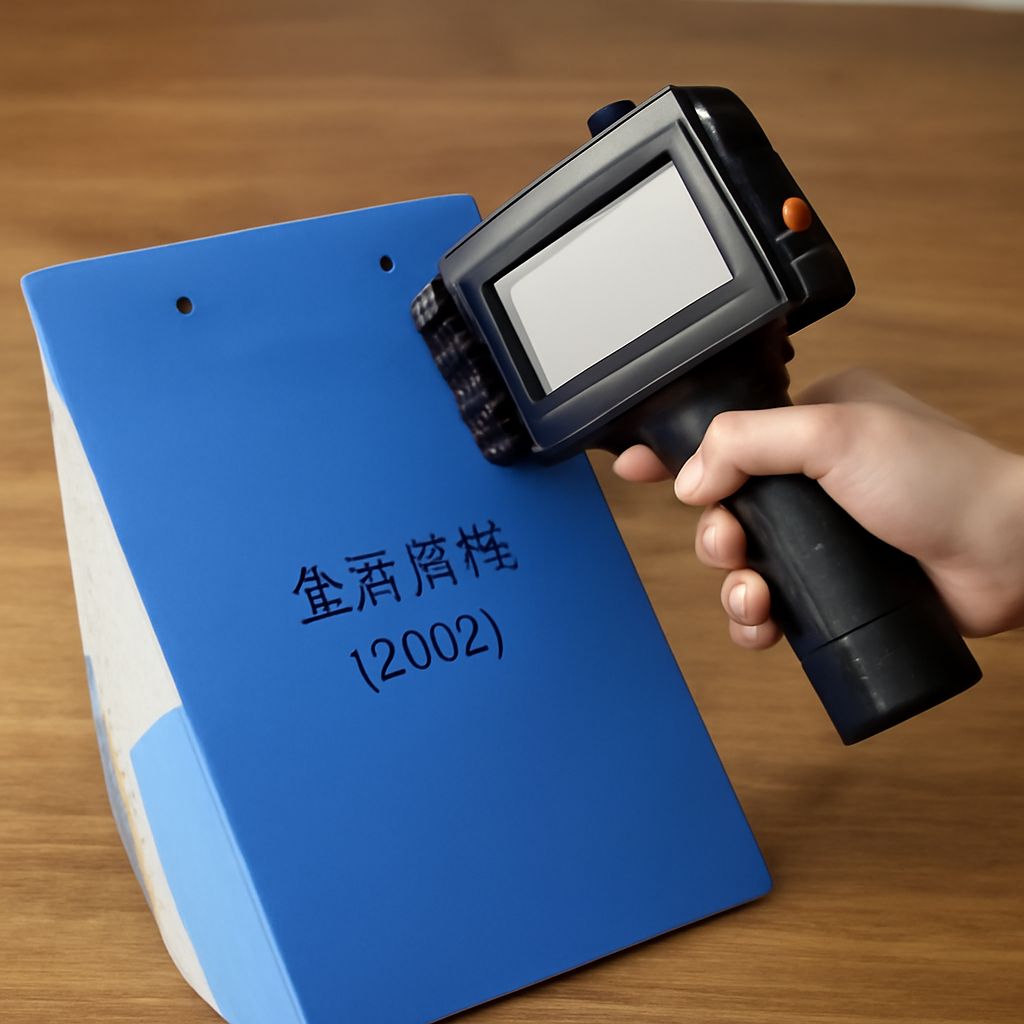
You need to mark a box on the warehouse floor, stamp an expiration date on a product, or print a label directly onto a surface that won’t feed through a desktop machine. A portable inkjet printer handles all of these jobs without a power cord or fixed surface. The trigger-style design you see in industry is often called a handheld printer gun, while the same technology goes by the trade name handjet printer in many industrial catalogs. Whether you call it a hand jet printer or a mobile inkjet printer, the operating principle is the same: move the device across the target surface and it deposits a precise ink pattern on the fly.
This guide covers how portable inkjet technology works, what separates consumer-grade from industrial models, how to maintain the print head, and which use cases each category serves best.
How Portable Inkjet Technology Works
The Print Head Mechanism
A handheld inkjet printing gun uses a row of tiny nozzles—typically 128 to 300—that fire ink droplets in precise patterns as you drag the unit across a surface. An internal encoder wheel or optical sensor tracks movement speed and adjusts firing timing so characters stay consistent regardless of how fast or slow you move. The result is clean text, barcodes, or logos on cardboard, wood, metal, glass, or fabric.
Ink Types and Surface Compatibility
Mobile inkjet printers use either water-based or solvent-based ink. Water-based inks work on porous surfaces like cardboard and paper; they dry quickly and are safer to handle. Solvent-based inks penetrate and adhere to non-porous surfaces—glass, plastics, and coated metals—making them the right choice for industrial marking. Always confirm ink-surface compatibility before your first print run to avoid adhesion failures that waste product.
Consumer vs. Industrial Handheld Printer Guns
Consumer Models
Consumer portable inkjet printers like the Braille Tac series or Memjet-based handhelds print at 600 DPI and connect to smartphones via Bluetooth for template design. They’re light (under 300 g), rechargeable via USB-C, and suited to craft projects, address labeling, and small-batch product marking. Print height on most consumer hand-held ink printers tops out at about 12 mm—enough for a line of text but not a large logo.
Industrial Hand Jet Printers
Industrial handjet printing units print taller characters—up to 50 mm in a single pass—at speeds exceeding 3 meters per second. They use cartridge-based solvent ink systems rated for thousands of meters of printing before replacement. Brands like Reiner, Anser, and Markprint supply units with IP54 or better dust and splash ratings, meaning they survive on active production floors. These industrial mobile inkjet marking tools also store hundreds of message templates internally, so operators switch between batch numbers, dates, and logos without a connected phone.
Maintaining Your Handheld Inkjet Printer
The print head is the most critical—and most vulnerable—component of any hand jet printing device. Leaving the unit uncapped lets ink dry in the nozzles, causing blockages that degrade or destroy the head. Cap the device immediately after use, even for short breaks. Most portable inkjet printers include an automatic capping station that seals the head when you set the unit in its holster or dock.
Run a purge cycle if you haven’t used the mobile inkjet printer for more than 48 hours. Most models have a purge button or menu option that pushes a small burst of ink through all nozzles, flushing dried residue before it hardens further. For long storage, flush the head with the manufacturer’s cleaning fluid—never water, which can cause corrosion or ink separation in solvent systems.
Choosing the Right Portable Inkjet Printer for Your Application
Match the device to three criteria: print height needed, surface type, and duty cycle. If you mark porous materials in small batches, a consumer-grade portable inkjet printing gun saves money and simplifies the workflow. For industrial marking on non-porous surfaces at high speed, invest in an industrial hand-held jet printer with solvent ink and IP-rated construction. Always factor in the cost per meter of ink, not just the purchase price—some cartridge systems cost far less upfront but carry a higher per-meter rate that adds up on high-volume lines.
Safety recap: Use solvent-based inks only in ventilated areas and wear nitrile gloves when changing cartridges. Cap the print head immediately after every use to prevent nozzle blockage and extend the life of your handheld inkjet printer.