The Steam Engine: Revolutionizing Technology
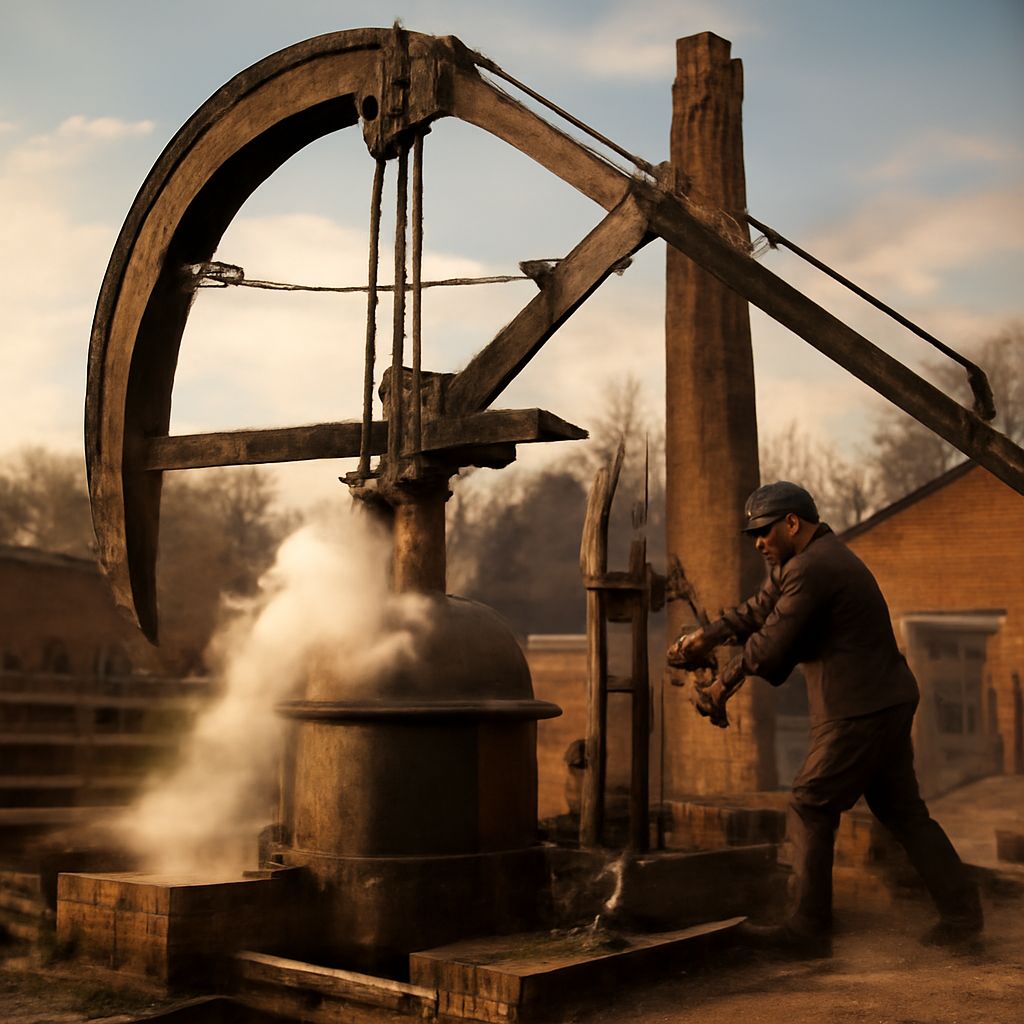
Imagine standing before a colossal iron beast, its pistons churning and steam billowing into the sky. The rhythmic clanking echoes the heartbeat of an era where steam technology reigned supreme. Before you, a detailed steam engine diagram unfolds, sparking curiosity about how these intricate machines powered the industrial age. As you marvel at the steam locomotive diagram, you can’t help but ponder the vast influence these engines had on modern technology.
What is the Steam Engine and How Does It Work?
The steam engine, a marvel of engineering, converts heat energy into mechanical work. Through harnessing the power of steam, these engines operate on a simple principle: water is heated in a boiler to produce steam, which then expands and pushes against a piston or turbine. This motion generates mechanical energy, capable of driving machinery and transportation vehicles.
Steam engines vary in design but commonly include a boiler, cylinder, and piston. As steam is produced, it enters the cylinder, driving the piston back and forth. This reciprocating motion is then converted into rotational movement, which can power anything from factory machines to railroads.
Mastering steam production and piston movement was a key milestone in industrial development. Through these mechanisms, steam engines revolutionized early industry by providing a reliable power source that was not dependent on nature’s whims.
How Did the Steam Engine Influence Modern Technology?
The influence of the steam engine on modern technology is immeasurable. By propelling the Industrial Revolution, it laid the foundation for numerous technological advancements. Industries that once relied on manual labor or animal power could now use steam to drive complex machinery, drastically boosting productivity and efficiency.
Steam technology spurred the development of the transportation sector, most notably through the advent of the steam locomotive. This revolutionized travel and trade, shrinking distances and connecting markets, which was pivotal for economic expansion.
Moreover, the principles behind steam engines paved the way for subsequent innovations in energy conversion and mechanical engineering. The understanding gained from steam technology fueled the development of internal combustion engines and later, electric power generation.
What Can We Learn from a Steam Engine Diagram?
A steam engine diagram is an invaluable tool for comprehending how these mechanical giants operate. By dissecting its components, one gains insights into the design and functionality of steam engines. Diagrams typically label key parts such as the boiler, piston, and crankshaft, offering a visual representation of the engine’s inner workings.
Studying these diagrams enhances our understanding of thermodynamics and mechanical systems, essential knowledge for engineers and historians alike. They reveal the ingenuity of early inventors who harnessed steam power, showcasing the engine’s complexity and efficiency in converting thermal energy into mechanical work.
Engine diagrams also serve as educational resources, illustrating historical technological advancements and offering a foundation for modern engineering principles.
How Does a Steam Locomotive Diagram Illustrate Its Functionality?
A steam locomotive diagram provides a detailed view of how these titans of transport functioned. These diagrams typically highlight key features like the firebox, boiler, and wheels, demonstrating how steam propels the locomotive forward.
Through a steam locomotive diagram, one can trace the path of steam from the firebox, where fuel combustion occurs, through the boiler where steam is generated, and finally to the cylinders that drive the wheels. This visual journey illustrates the interconnected systems that powered rail travel.
Understanding locomotive diagrams helps appreciate the complexity and elegance of these machines, which played a crucial role in transforming economies and societies by making long-distance travel and goods transportation more accessible.
What Role Does Steam Technology Play in Today’s Innovations?
Although steam engines are no longer at the forefront of technological innovation, the principles of steam technology continue to influence modern engineering. Steam turbines still play a crucial role in electricity generation, contributing to the operation of fossil fuel and nuclear power plants.
Furthermore, the legacy of steam technology can be seen in the continued use of steam in various industrial processes, such as chemical manufacturing and food processing. The efficiency and reliability of steam systems remain relevant in these sectors.
As we explore sustainable and renewable energy solutions, the foundational concepts of steam engines inspire innovation. Engineers and scientists continue to draw from the thermodynamics and mechanical design principles established by early steam technology pioneers.
Pro tips recap: Dive into steam engine diagrams to gain a deeper understanding of historical engineering feats and modern mechanical systems. Appreciate the profound impact of steam technology on industry and society, and explore how these concepts continue to shape innovation today. Whether you’re an engineer, historian, or enthusiast, uncovering the secrets of steam engines enriches your knowledge of technological evolution.