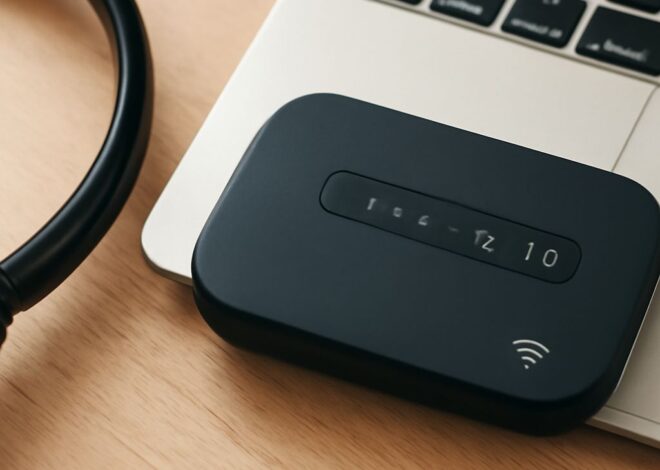
Smart WiFi: Revolutionizing Connectivity and Control
Smart WiFi: Revolutionizing Connectivity and Control
Imagine walking into your living room, and with a simple voice command, the lights adjust to your preferred setting, your favorite playlist starts playing, and the room temperature adjusts just right. This is not a distant future; it’s a reality powered by smart WiFi technology. Smart WiFi is transforming our homes into interconnected hubs, enhancing everything from entertainment to security. One remarkable innovation in this space is the WiFi LED controller, which allows for seamless control of lighting moods. Whether you’re looking to simplify your lighting system or harness the power of a WiFi RGB LED controller, understanding these technologies can significantly enhance your environment.
What Is Smart WiFi?
Understanding Smart WiFi Technology
Smart WiFi refers to a wireless technology that improves upon standard WiFi by offering enhanced connectivity and management capabilities. It enables devices to communicate more efficiently, optimizing bandwidth usage and providing stable connections. With smart WiFi, users can experience seamless connectivity throughout their homes, making it a cornerstone of modern smart home systems.
Benefits of Smart WiFi
The advantages of smart WiFi are numerous. It provides better coverage and faster internet speeds by managing network traffic more effectively. This technology reduces dead zones, ensuring every corner of your home is connected. Additionally, smart WiFi allows for greater control and customization of your network settings through user-friendly apps.
How Does a WiFi LED Controller Work?
Features and Benefits
A WiFi LED controller is a device that enables wireless control over LED lighting. It connects to your home WiFi network, allowing you to adjust light settings via a smartphone app or voice command. The benefits include convenience, energy efficiency, and the ability to create dynamic lighting environments tailored to your preferences.
Installation and Setup
Setting up a WiFi LED controller is straightforward. Generally, it involves connecting the controller to your LED lights and syncing it with your home WiFi network. Once installed, you can control lighting remotely, schedule automatic adjustments, and even integrate it with other smart devices for a cohesive smart home experience.
Comparing WiFi LED Controller and Bluetooth LED Controller
Pros and Cons of Each
When comparing a WiFi LED controller with a Bluetooth LED controller, each has its merits. WiFi controllers offer greater range and remote access, ideal for large homes or controlling lights from afar. In contrast, Bluetooth controllers are typically easier to set up and do not rely on an internet connection, which can be beneficial in areas with limited connectivity.
Use Cases for Both
WiFi LED controllers are perfect for complex lighting setups, where control from anywhere is crucial. For simpler setups or smaller spaces, Bluetooth LED controllers might suffice, offering sufficient control without the need for extensive installation.
Exploring WiFi RGB LED Controllers
What Sets RGB LED Controllers Apart
The WiFi RGB LED controller stands out due to its ability to manage multicolor lighting. This controller allows for the adjustment of red, green, and blue light intensities, creating a vast range of colors and moods. It’s particularly popular for ambient lighting, gaming setups, and entertainment areas.
Choosing the Right RGB LED Controller
Selecting the ideal RGB LED controller depends on your specific needs. Consider factors like compatibility with existing lights, the range of features offered, and ease of use. Researching different models and reading user reviews can guide you to a controller that best fits your requirements.
Integrating Smart WiFi into Your Home Network
Compatibility with Existing Devices
Integrating smart WiFi into your home requires ensuring compatibility with your current devices. Most modern smart devices are designed to work with smart WiFi, allowing for a seamless transition. It’s essential to check specifications and update firmware to avoid compatibility issues.
Future Trends in Smart WiFi
The future of smart WiFi is exciting with developments like WiFi 6 and WiFi 6E, offering even faster speeds and more reliable connections. As more devices become interconnected, smart WiFi will likely play a pivotal role in the advancement of smart homes, providing a backbone for innovative technologies and improved user experiences.