Handheld Inkjet Printer: The Complete Buyer’s Guide
Handheld Inkjet Printer: The Complete Buyer’s Guide
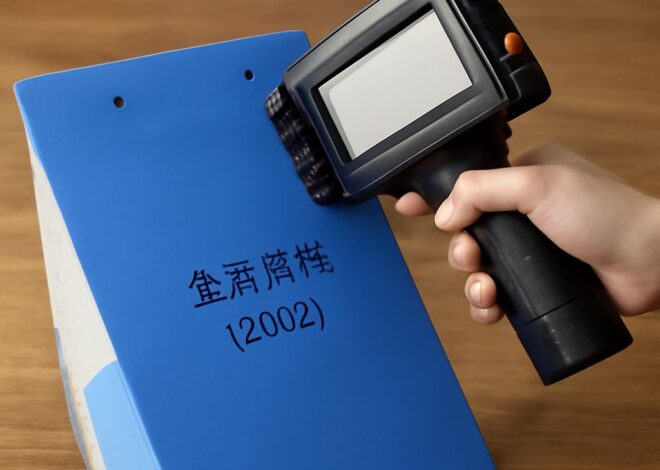
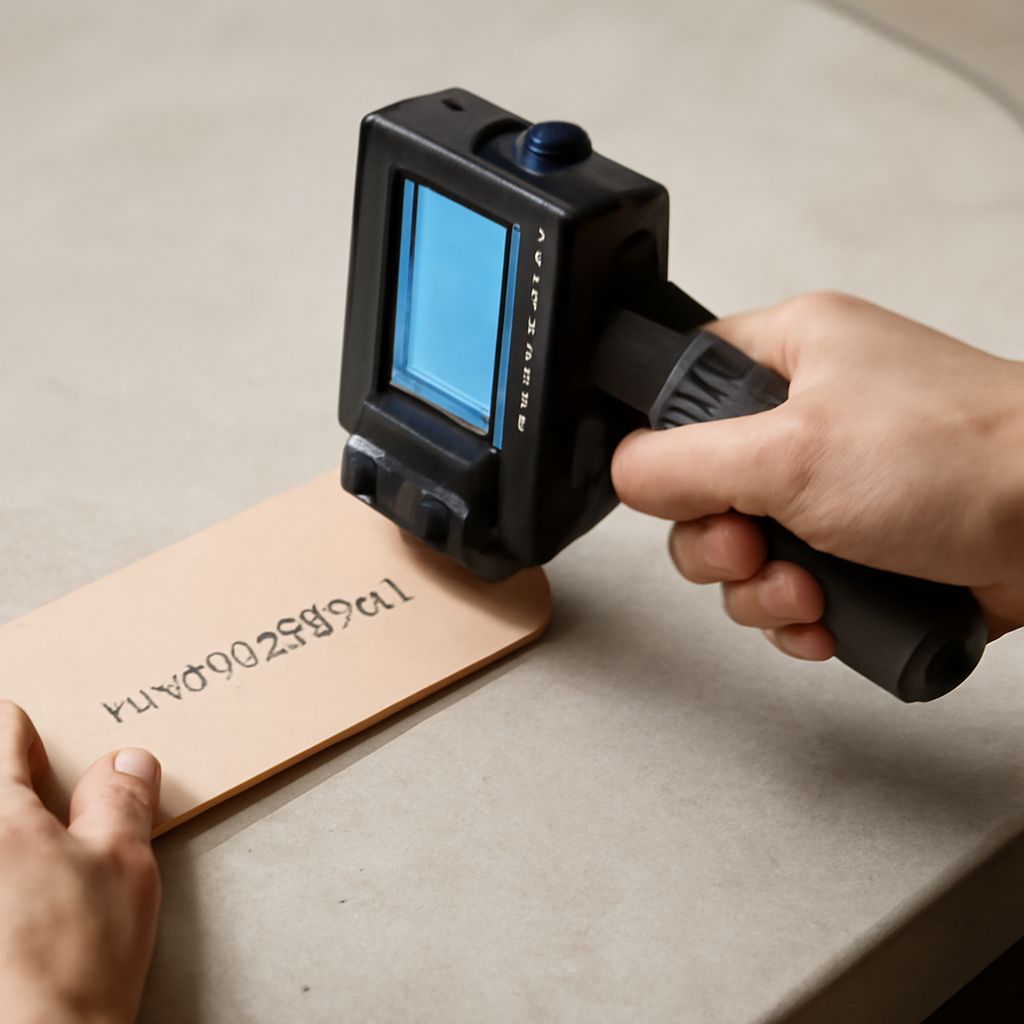
You need to print directly onto a box, a pipe, a piece of wood, or a surface that will never fit through a desktop printer. A handheld inkjet printer is built for exactly this situation. It moves across the surface by hand while the inkjet head deposits the image in real time, with no platen, no paper feed, and no fixed print area. You control the speed and alignment by touch. A handheld printer in your kit means you can mark products, address packages, or label parts without routing them through a separate station.
A hand held printer sounds simple, but the buying decision has more variables than most people expect. Ink type, substrate compatibility, resolution, and connectivity all vary significantly between models. This guide covers everything you need to know to pick the right hand printer for your workflow, whether you need a basic date-and-lot coder or a handheld portable printer that handles QR codes, logos, and multi-line text on demand.
How Handheld Inkjet Printers Work
Print Mechanism and Resolution
A hand-operated inkjet device uses a print head mounted in a portable housing. As you slide the unit across a surface at a controlled pace, the head fires ink droplets to build the image line by line. Print height typically ranges from 12.7 mm (half an inch) to 50 mm (two inches) depending on the model. Resolution ranges from 150 DPI on basic coders to 600 DPI on high-end portable inkjet units. Lower resolution is adequate for barcodes and alphanumeric codes; higher resolution is needed for logos, photographs, and small fonts below 8pt.
Ink Types and Surface Compatibility
Ink choice determines what surfaces a portable hand printer can mark. Quick-dry inks work on porous surfaces like cardboard, wood, and fabric. Fast-dry solvent inks mark non-porous materials like metal, plastic, and glass. UV-curable inks provide high durability for industrial marking. Before purchasing a handheld portable printer, identify your primary substrates and confirm the compatible ink types for each. Some models use proprietary cartridges; others accept standard inkjet ink, which lowers long-term supply costs.
Key Features to Compare
Battery Life and Portability
A hand portable printing unit needs to work away from power outlets. Look for at least 8 hours of active use on a full charge. Weight matters if you are printing continuously for long shifts; most units range from 300 g to 800 g. A larger display and onboard design software let you create templates without connecting to a computer, which is important for field or warehouse use.
Connectivity and Software
Most handheld inkjet printers connect via USB, Bluetooth, or Wi-Fi for uploading designs. Some models have onboard keypads for entering codes directly on the device. Bluetooth connectivity lets you push print jobs from a phone app, which is useful in retail or small-batch production environments. Check whether the companion software runs on Windows only or also supports macOS and Android, depending on your existing workflow.
Best Use Cases for a Hand Printer
Warehouses use portable hand-operated inkjet coders to stamp expiration dates and lot numbers onto cases. Contractors use them to mark pipes, conduit, and beams with identification codes. Craft makers and small retailers use handheld portable inkjet devices to apply branding, QR codes, and return address labels directly on packaging. Compared to adhesive label printers, a hand-applied inkjet mark has no label to peel, no adhesive to fail, and no substrate size restrictions.
What to Expect on Price and Value
Entry-level hand printer units start around $100 and handle basic alphanumeric printing on cardboard at low to moderate volumes. Mid-range portable inkjet printer models with Bluetooth, higher resolution, and multi-line text support run $250 to $500. Professional-grade industrial hand-held coders with fast-dry solvent inks and 600 DPI output cost $500 to $1,500. Factor in ink cartridge replacement cost, which ranges from $15 to $80 per cartridge depending on ink type and brand.
Key Takeaways
Match ink type to your primary substrate before buying a handheld inkjet printer. A unit that prints well on cardboard may not mark aluminum at all. Check battery life and connectivity against your workflow requirements, and compare the per-print cost of proprietary cartridges to third-party ink alternatives before committing to a specific model.