Printer Ink Refill and Toner Refill Guide: Kits, Costs, and Safety
Printer Ink Refill and Toner Refill Guide: Kits, Process, and Costs
Your inkjet cartridge ran dry in the middle of a deadline, and you’re wondering whether refilling it yourself is a legitimate option. A printer ink refill kit costs a fraction of a replacement cartridge and extends usable life from an otherwise discarded unit. Printer ink refill kits range from single-color syringes to multi-color sets covering all four CMYK positions. Printer toner refill for laser cartridges follows a different process but offers even larger savings since toner cartridges cost significantly more than inkjet units. Laser printer toner refill requires more care than inkjet work because toner powder is fine and can be hazardous if inhaled during the process. And printer refill ink sold in bulk bottles provides the most economical per-page cost for anyone committed to the refill approach long-term.
Here is what to know about refilling both inkjet cartridges and laser toner, including when it makes sense and when it doesn’t.
Inkjet Cartridge Refilling: Process and Considerations
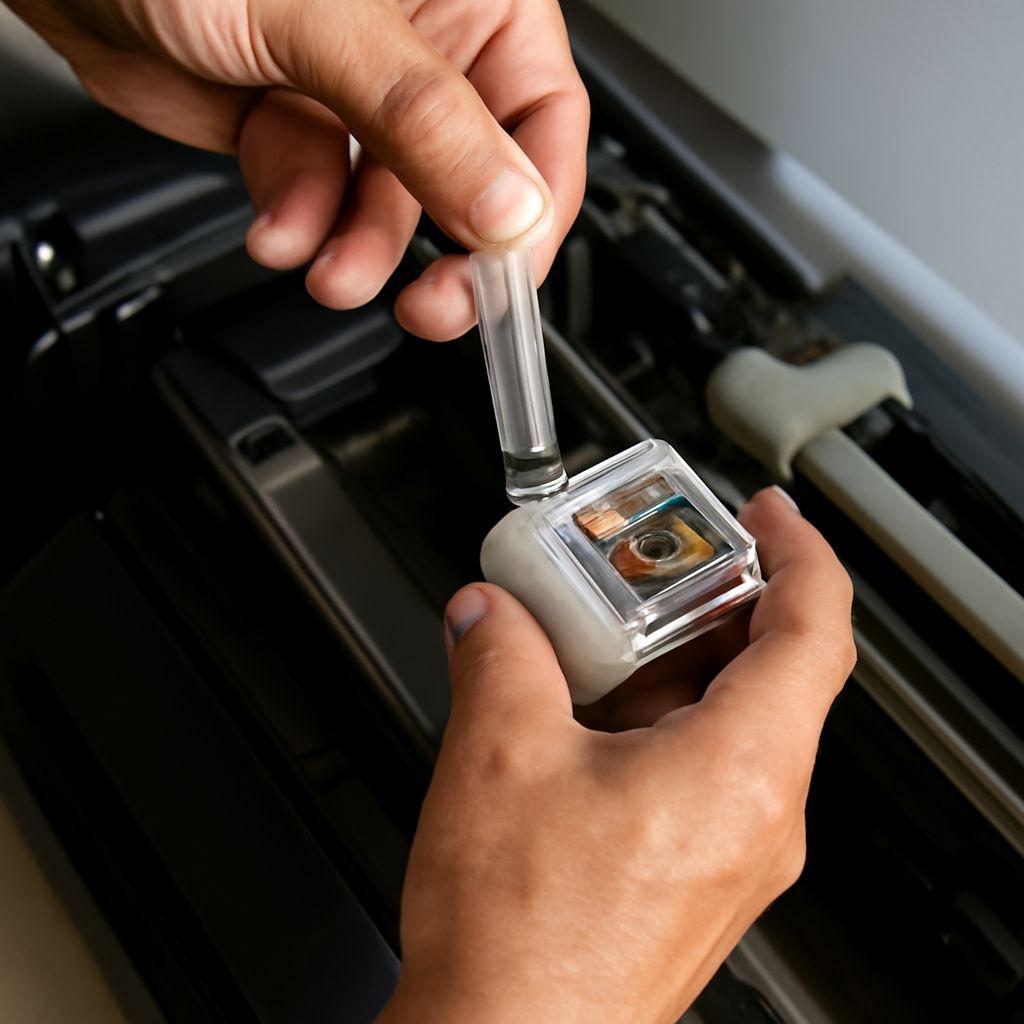
Refilling inkjet cartridges involves injecting ink through a fill hole into the cartridge’s ink reservoir. The process works best on cartridges that use an internal sponge rather than a bag-in-box construction. Syringe-based refill kits come with needles of different gauges for different cartridge types. Most HP, Canon, and Epson cartridges can be refilled two to three times before print quality degrades from sponge saturation or printhead wear. Cartridges with integrated printheads (common on HP) benefit from refilling because the printhead itself gets replaced with the new OEM cartridge — refilling means the printhead stays in service longer than it would with multiple OEM replacements.
Where Inkjet Refills Work Best and Worst
Refilling works well for non-critical printing: internal documents, draft copies, and everyday paperwork. It performs worst for photo printing and professional presentation output where color accuracy and consistency matter most. Refill inks don’t always match OEM color profiles precisely, and color density can vary between refills. If your work requires consistent color output, stick with OEM or high-quality compatible cartridges rather than refilling.
Laser Toner Refill: A Different Process
Laser printer toner refill involves opening the toner cartridge, adding fine toner powder, and resealing the unit. The process varies significantly between cartridge designs. HP LaserJet cartridges and Brother TN-series cartridges both have established refill procedures documented by third-party suppliers. Tools typically include a fill plug removal tool, a toner fill funnel, and a chip resetter for cartridges with electronic counters. Without resetting the chip, the printer may report the cartridge as empty even after filling.
Safety Precautions for Toner Refilling
Toner powder particles are small enough to be inhaled and cause respiratory irritation. Always refill toner in a well-ventilated area or outdoors. Wear a dust mask rated for fine particles — a standard cloth mask provides inadequate protection. Wear nitrile gloves and avoid touching your face during the process. Toner that contacts skin or clothing is difficult to remove; cold water rinses work better than hot water, which sets the pigment.
Cost Comparison: Refill vs. Compatible vs. OEM
A typical HP inkjet cartridge costs $20–$30 OEM. A refill kit serving the same cartridge costs $8–$15 for enough ink to refill 2–3 times, reducing per-fill cost to $3–$7. Compatible cartridges from reputable brands run $5–$12 and may be more reliable than DIY refills for photo work. Toner refill powder for a common HP laser cartridge costs $10–$20 and fills the cartridge to full capacity, versus $60–$100 for an OEM replacement. The savings on toner refill are substantially larger than on inkjet, making the process more economically justified despite the added complexity.
Key takeaways: Inkjet refill kits suit everyday document printing but not photo or presentation output. Toner refill delivers significant savings over OEM laser cartridges but requires a chip resetter and careful powder handling. Use reputable toner and ink suppliers to avoid poor-quality powder that damages printer components.