Bluetooth Lock Guide: Padlocks, Bike Locks, and Smart Security
Bluetooth Lock Guide: Padlocks, Bike Locks, and Smart Security
You’ve decided to upgrade your security and you’re considering a bluetooth lock for your storage unit, locker, or front gate. Maybe you’re comparing a bluetooth padlock with a traditional keyed model, or you want something you can control from your phone. You’ve seen several bluetooth locks at different price points and aren’t sure which features actually matter. Whether you’re securing a bicycle with a bluetooth bike lock or adding keyless entry to a shared workspace with bluetooth padlocks, the technology behind these devices has become reliable and affordable enough for everyday use.
How Bluetooth Locking Technology Works
A Bluetooth-enabled lock pairs with your smartphone over the 2.4 GHz Bluetooth Low Energy (BLE) protocol. When you open the companion app and tap unlock, the phone sends an encrypted command to the lock’s receiver. The lock motor or solenoid releases the shackle within one to two seconds. Most Bluetooth-connected padlocks retain a keypad or physical key backup in case your phone battery dies. The smart locking mechanism logs every open and close event with a timestamp, giving you an access history that traditional padlocks simply cannot provide.
Types of Bluetooth Locks: Which One Fits Your Needs?
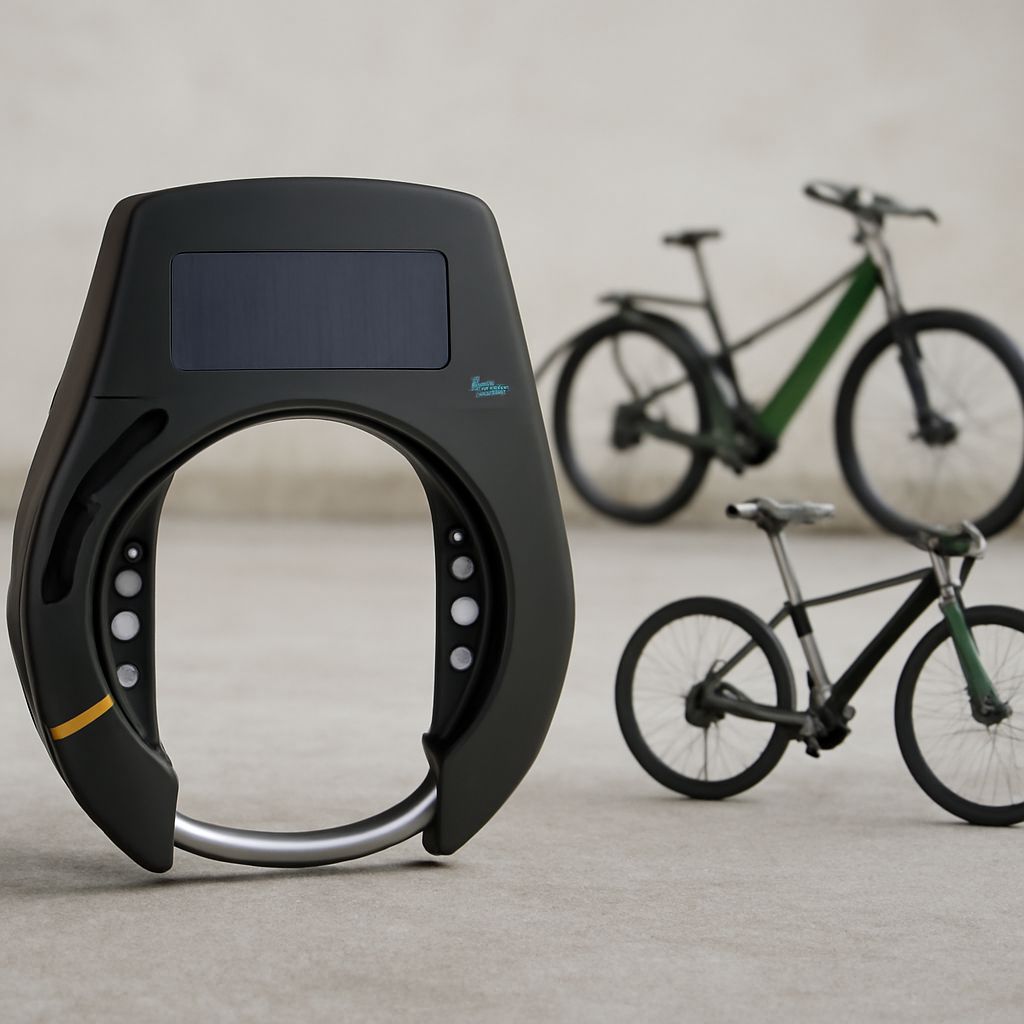
Portable Bluetooth padlocks suit gym lockers, luggage, and storage containers. They’re compact, rechargeable via USB, and last three to twelve months per charge depending on usage. A dedicated Bluetooth cycle lock for bicycles is heavier and uses a hardened steel shackle or chain, rated to resist bolt cutters. For doors, a Bluetooth-controlled deadbolt replaces your existing lock cylinder and integrates with smart home systems. For shared access — like Airbnb properties or shared garages — Bluetooth padlocks that generate one-time-use codes are especially practical, since you never hand over a physical key.
Key Features to Look for When Buying
Range matters: most phone-to-lock Bluetooth connections work reliably at three to five meters. Look for locks with AES-128 or higher encryption to prevent signal interception. Battery life is a real concern — a smart padlock that dies mid-trip is a security risk. Choose models with low-battery alerts in the app. Weather resistance is rated by IP scores; IP65 or higher handles rain. For Bluetooth bicycle security, check the shackle diameter — 6mm is sufficient for low-risk areas, while 10mm or above is appropriate for higher-crime locations. Some Bluetooth-enabled padlocks also support fingerprint unlocking as a secondary method.
Setting Up and Using Your Bluetooth Lock
Download the manufacturer’s app and create an account before you take the lock out of the box. Enable Bluetooth on your phone, hold the lock’s pairing button, and follow the app’s setup wizard. Set a PIN backup immediately. To share access with family or colleagues, most apps let you send a time-limited eKey — a digital key that expires after a set period. This way, smart Bluetooth padlock sharing does not require sharing your master credentials. Always test both the app unlock and the physical backup method before relying on the lock in the field.
Maintenance and Troubleshooting
Charge your Bluetooth-enabled padlock before the battery level drops below 20% — most apps send a notification at 30%. If the lock becomes unresponsive, force-close the app, re-enable Bluetooth on your phone, and try again. For outdoor Bluetooth bike locks exposed to weather, spray the shackle with a dry PTFE lubricant every three months to prevent corrosion. A firmware update via the app often resolves pairing or range issues. If the lock motor starts feeling stiff, the mechanism may need lubricating — use silicone spray rather than oil, which attracts grit.
Bottom line: A bluetooth lock delivers keyless convenience, access logging, and remote sharing that no traditional padlock can match. Match the lock type to your security need — a bluetooth padlock for portability, a bluetooth bike lock for cycling security — and keep the app and firmware updated to maintain reliable performance.