Wireless Photo Printer Buying Guide: From Selfies to Film Prints
Wireless Photo Printer Buying Guide: From Selfies to Film Prints
You snap what might be the best photo you’ve taken all year — perfect light, everyone’s smiling, the background is ideal. Then it lives on your phone forever, occasionally surfacing in your memories app before disappearing again. A wireless photo printer changes that. In minutes, you can hold a physical copy without cables, a computer, or a trip to a pharmacy kiosk.
Whether you want a compact selfie printer for instant party prints, a film printer for a vintage aesthetic, or a hydrographic film printer for custom object coating, the range of options available today is wider than most people realize. This guide breaks down what to look for in a wireless photo device, covers different print formats, and explains where hydrographic printer technology fits into the broader picture.
What Makes a Wireless Photo Printer Worth It?
Key Features to Look For
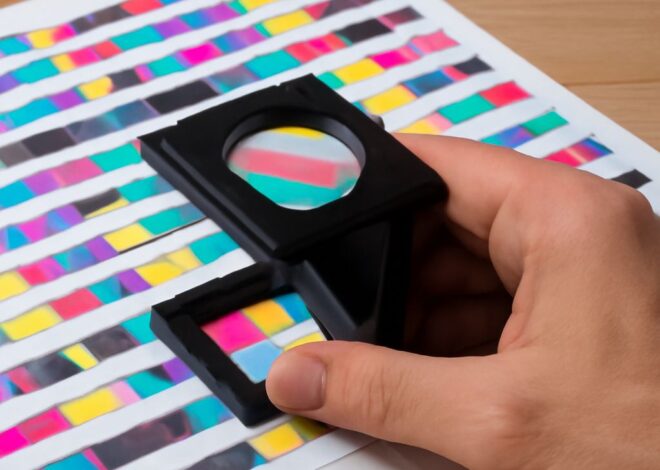
Print quality in a wireless photo device is measured in dpi — 300 dpi is acceptable, 600+ is noticeably sharper on 4×6 prints. Look for dye-sublimation technology in compact units, which produces better color gradients and water-resistant output compared to inkjet. Paper supply matters too: some models use proprietary cartridge-paper combos, which can drive up per-print costs significantly.
Connectivity and App Support
Most current models connect via Bluetooth, WiFi, or both. Check whether the companion app works on both iOS and Android and whether it supports direct printing from your camera roll, social media, or cloud storage. AirPrint support is useful for iOS users who want to print without a dedicated app. Battery-powered portability adds another layer of flexibility for events, travel, or outdoor use.
Selfie Printer Options for Quick Prints
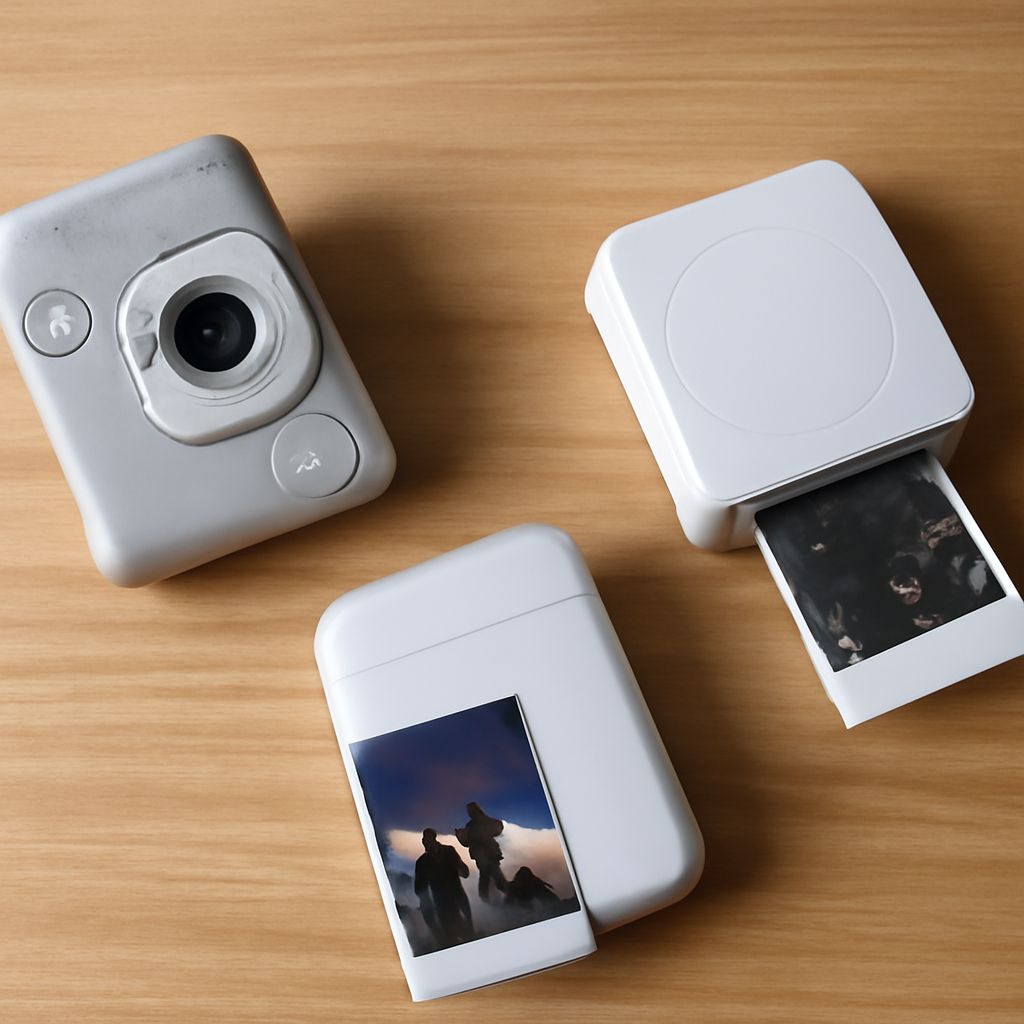
A selfie printer is designed for speed and portability — small enough to carry in a bag, fast enough to print a 2×3 or 3×4 photo in under a minute. Canon’s Ivy series, the Fujifilm Instax Link, and Polaroid’s Hi-Print are consistently popular choices. They use ZINK (zero ink) or dye-sub technology, eliminating cartridge replacement. Print size is small by design, making them better for keepsakes and stickers than wall prints. For group events, a self-contained photo-printing unit adds a tangible social element that phone sharing can’t replicate.
Film Printer: Instant and Traditional Photo Options
A film printer in the modern sense refers to either an instant camera with a built-in printer (Fujifilm Instax, Polaroid Now) or a dedicated printer that outputs onto Instax or Zink film media. Traditional photographic film printing — darkroom-style — requires an enlarger, not a digital printer. For most buyers, a portable film-format printer means a device that produces credit-card to wallet-sized prints using silver-halide-coated film packs. The tactile quality of true film-based output differs from inkjet or dye-sub — colors are more muted, contrast is lower, and the print develops slowly in light, which is part of the appeal.
Hydrographic Film Printer and Hydrographic Printer Basics
How Hydrographic Printing Works
Hydrographic printing (also called water transfer printing or hydro dipping) uses a film printed with a pattern that, when floated on water and activated with a chemical solution, transfers onto a three-dimensional object submerged through it. A hydrographic film printer is an inkjet or UV printer capable of printing patterns at high resolution onto water-soluble PVA film, which is the transfer medium. The quality of your hydrographic film printer determines resolution and color accuracy of the final transfer.
Choosing the Right Setup
Entry-level hydro dipping uses pre-printed film purchased by the meter — no special printer needed. For custom patterns, a dedicated hydrographic printer setup requires a wide-format inkjet printer with pigment inks, PVA film stock, activator chemicals, and a dip tank. This setup is commercially oriented and costs considerably more than a photo printer. For hobbyists who want occasional custom dipping, buying pre-printed film is more practical.
Key Takeaways
A wireless photo printer is one of the most satisfying ways to give digital photos a physical form without a lengthy process. Match the printer type to your use case: dye-sub compact models for snapshots and events, selfie printers for portability, film-format devices for vintage aesthetics, and full hydrographic setups only if custom water transfer printing is a genuine workflow need.