DLP Printer Guide: DLP 3D Printing, Tiny Printers, and Dust Covers
DLP Printer Guide: DLP 3D Printing, Tiny Printers, and Dust Covers
You’re comparing resin 3D printers and trying to understand whether to get a DLP printer or an MSLA (LCD-based) unit. Or you’re on the other end of the spectrum — looking for a tiny 3d printer for a specific limited-space use case. And somewhere in between, you’ve realized your inkjet or laser printer collects dust constantly and you’d like a proper printer cover or printer dust cover to keep it clean between uses.
This guide covers how a DLP printer works and why it matters for 3D printing, what a dlp 3d printer delivers compared to MSLA alternatives, what a tiny 3d printer can actually accomplish, and what to look for in a printer cover or printer dust cover.
What Is a DLP Printer?
Digital Light Processing Technology
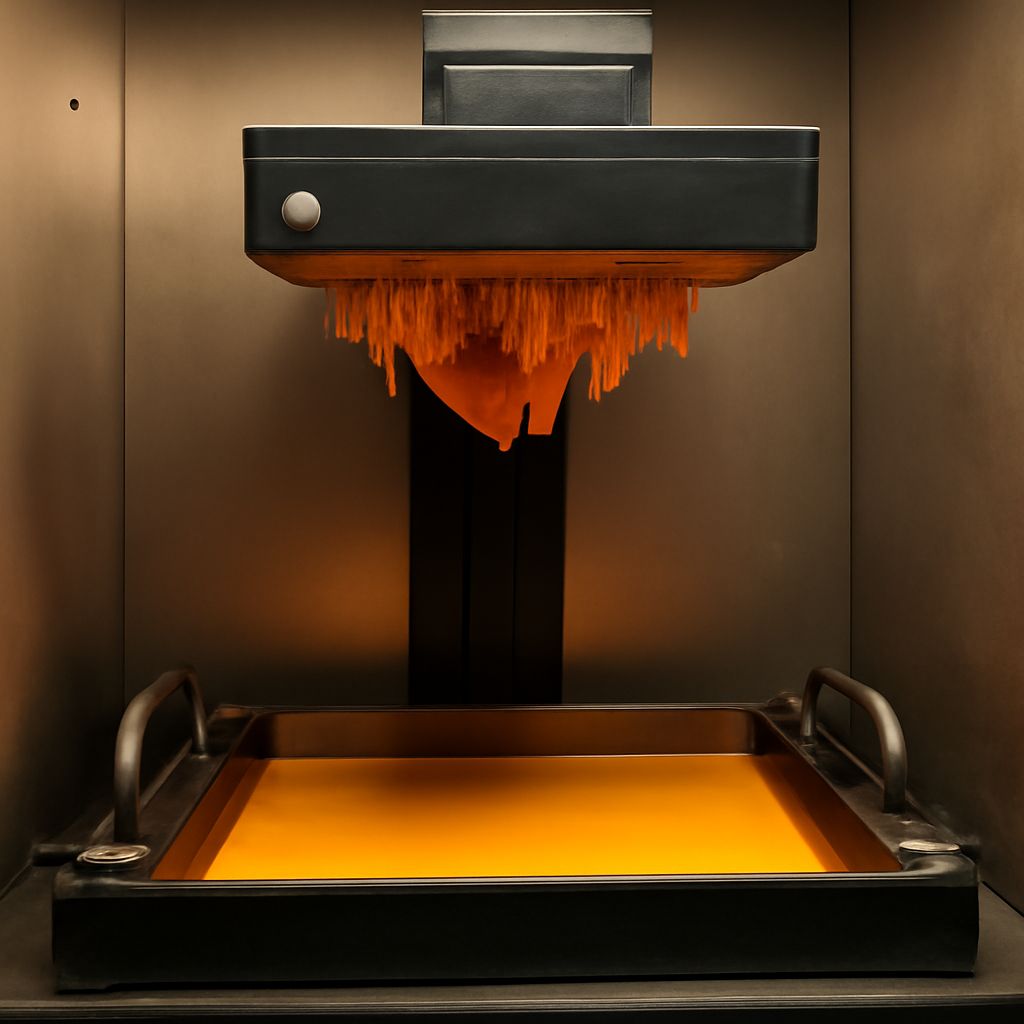
A DLP printer uses a digital light projector — specifically a DLP chip (Digital Micromirror Device) — to cure photopolymer resin layer by layer. The projector flashes an entire layer image at once rather than tracing it point-by-point, which makes DLP curing speed consistent regardless of layer detail complexity. Each layer takes the same amount of time whether the cross-section is simple or intricate.
DLP vs. MSLA vs. FDM
A dlp 3d printer competes primarily with MSLA (Masked Stereolithography Apparatus) printers, which use a UV LED array and an LCD masking layer instead of a projector. MSLA has largely displaced DLP in the consumer resin printer market due to lower component cost — LCD panels are cheaper than DLP projection engines. However, DLP retains advantages in light source uniformity and longevity: a DLP projector degrades more slowly than an LCD panel, which dims and develops dead pixels over time. Traditional FDM (filament) printing produces less detailed output but uses non-toxic thermoplastic materials that don’t require a curing station, ventilation, or resin handling safety protocols.
What a DLP 3D Printer Is Used For
A DLP 3D printer is the choice for applications requiring high surface detail: dental models, jewelry casting masters, miniatures for tabletop gaming, engineering prototypes requiring tight tolerances, and hearing aid shells. Layer heights on resin printers (25–100 microns) are significantly finer than FDM (100–300 microns minimum), producing surfaces that require little to no sanding. The tradeoff is resin cost, post-processing requirements (washing in IPA or dedicated resin cleaner, then UV curing), and the need for adequate ventilation due to resin fumes.
Tiny 3D Printer: What It Can Do
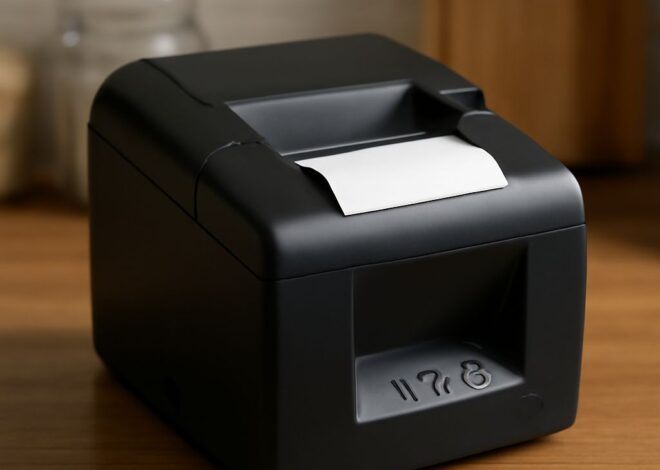
A tiny 3d printer in the FDM category typically refers to machines with build volumes under 120x120x120mm — the Bambu Lab A1 Mini, Prusa Mini+, and various micro-format machines from Creality and Elegoo. These machines print the same filament types as full-size FDM printers but are limited in maximum part size. They’re genuinely useful for prototyping small components, printing replacement parts, making custom accessories, and educational settings where space is limited. A resin-based tiny 3d printer (like the Elegoo Saturn or Photon Mono M5) uses the same DLP or MSLA technology as larger units but fits on a smaller desk footprint while still producing high-detail output — just at smaller maximum build sizes.
Printer Cover and Printer Dust Cover: Practical Accessories
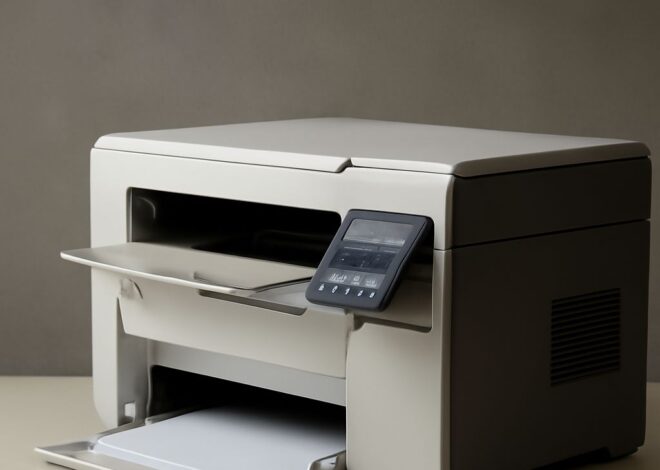
A printer cover or printer dust cover is exactly what it sounds like — a protective cover, usually cloth, vinyl, or silicone, sized to fit over your printer when not in use. Inkjet printers are particularly vulnerable to dust ingress since the printhead can dry out and clog when dust accumulates in the nozzle area. A fitted printer dust cover prevents dust, pet hair, and ambient debris from settling on and inside the machine. Covers are available in universal sizes or model-specific cuts. Elasticated edge covers fit more snugly than simple drape-style covers. For laser printers, which are less sensitive to dust in the paper path, a cover is mostly aesthetic — but still prevents visible dust accumulation on a machine that sits idle for days between uses.
Key Takeaways
A DLP printer and DLP 3D printer deliver high-resolution resin output suited for detailed miniatures, dental, and jewelry work. Tiny 3D printers cover a range of FDM and resin machines optimized for small footprints rather than small features. A printer dust cover extends inkjet printhead life by keeping dust out of the mechanism between print sessions.