Tattoo Stencil Printer and Envelope Printer Guide for Specialty Printing
You’re setting up a tattoo studio and hand-drawing every stencil is slowing you down. A tattoo stencil printer changes your workflow immediately, producing clean, precise stencils from digital artwork in seconds. A stencil printer built for tattoo use handles thermal transfer paper differently from an office machine, working with the chemical activation in tattoo transfer paper to produce skin-ready outlines. On the other side of the specialty printing world, an envelope printer addresses the tedious task of printing addresses, return addresses, and branding directly onto envelopes without jams or misalignment. A dedicated envelope printer handles the unique feeding challenges that envelopes present, maintaining consistent registration that a multi-purpose machine often fails to achieve. And the right envelope printer software ties the whole workflow together, pulling address data from contact lists and formatting envelopes with proper postage placement.
Here is a practical look at both tattoo stencil printers and envelope printers, covering how they work and what to look for when buying.
Tattoo Stencil Printers: How They Work
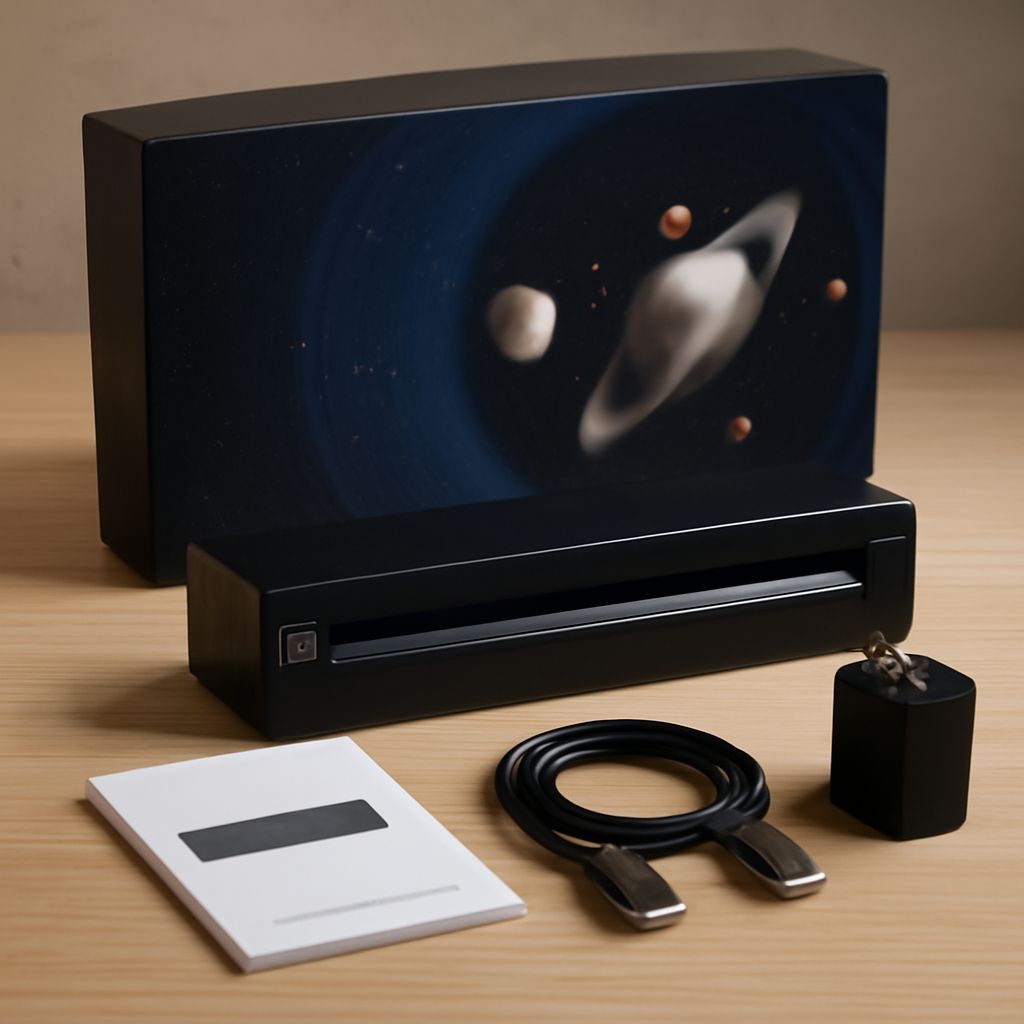
Tattoo stencil printing uses thermal transfer technology. The printer applies heat to a thermally reactive layer in the transfer paper, creating a purple or black outline that transfers to skin when wetted with stencil solution. The Dragonhawk Atom and Spirit Master printers are purpose-built for this application. They accept artwork from smartphones, tablets, and computers via Bluetooth or USB. Output resolution matters for fine line work — look for models offering at least 300 dpi for clean, detailed stencil lines. The transfer paper used with a stencil machine is different from standard thermal paper, so confirm compatibility before purchasing third-party media.
What to Look for in a Stencil Printer
Key features for a tattoo stencil printing machine include Bluetooth connectivity for mobile app use, adjustable print settings for different line weights, and compatibility with standard A4 or letter-size tattoo transfer paper rolls. Battery-powered models like the Dragonhawk Atom work without a wall outlet, useful in studios without conveniently placed power. Review print speed if you run a high-volume studio — faster printers handle multiple clients per hour without bottlenecking the appointment flow.
Envelope Printing: Methods and Machine Types
Envelope printing splits into two categories: inkjet machines that print graphics and text in full color on envelope surfaces, and dedicated addressing machines that handle only text. Consumer inkjets like the Canon PIXMA and Epson Expression series handle envelopes through manual feed trays. Professional envelope addressing machines from brands like Rena and FP Mailing handle high-volume envelope runs with automated stacking and multiple print heads. For small-business holiday card mailings or wedding invitations, a consumer inkjet with envelope feed works fine. For companies mailing hundreds of envelopes daily, a dedicated envelope addressing system pays for itself quickly.
Envelope Printer Software
Software integration separates an effective envelope printing workflow from a frustrating one. Dedicated envelope printer software like Stamps.com Envelope Printing, Kutools for Word, or the built-in mail merge features in Microsoft Word and Google Docs pulls address data from spreadsheets or contact databases and formats it correctly for each envelope size. Look for software that stores envelope templates, supports variable data printing for personalization, and handles postal barcode placement if USPS IMb barcodes are required for bulk mailings.
Paper Feed and Jam Prevention
Envelopes jam in standard printers because the seam and flap create uneven thickness. The best way to prevent jams is using a manual bypass tray or straight-through paper path. Load envelopes with the flap face down and the sealed edge leading into the printer. Set media type to envelope in the print driver to adjust roller pressure accordingly. Never force more than 10–15 envelopes at a time through a manual feed slot, regardless of what the machine’s capacity spec claims.
Pro tips recap: Use purpose-built tattoo transfer paper with your stencil printer for consistent skin transfer results. For envelope printing, always configure the correct envelope size in the print driver before printing to prevent misalignment. Match your software to your address source — mail merge from a spreadsheet saves hours on large mailings.