WiFi vs Internet: What’s the Actual Difference?
You’ve probably used the words interchangeably for years, but they mean genuinely different things. Someone says “the WiFi is down” when what they mean is “the internet is down” — and sometimes it’s actually WiFi that’s the issue, not the internet connection itself. Understanding the wifi vs internet distinction helps you troubleshoot outages faster, explains why your phone can show WiFi bars but still not load a webpage, and clarifies what pocket WiFi actually is and how it works.
This guide explains what is the difference between wifi and internet in clear terms, covers the difference between internet and wifi at the infrastructure level, and explains what is pocket wifi and when it’s useful — so you know exactly what is the difference between internet and wifi the next time something stops working.
WiFi vs. Internet: The Core Distinction
WiFi is a wireless communication technology — it’s a way for devices to communicate with each other and with a router using radio waves. The WiFi standard (IEEE 802.11) defines how devices send data wirelessly. Your router broadcasts a WiFi network; your phone, laptop, and smart devices connect to it. That’s all WiFi is — a local wireless connection between your devices and the router.
The internet is a global network of networks — the infrastructure of cables, servers, routers, and protocols (TCP/IP) that connects devices and services worldwide. Your internet service provider (ISP) delivers an internet connection to your home via a coaxial cable, fiber optic line, DSL phone line, or satellite link. Your router connects to this ISP feed and also broadcasts your local WiFi network.
The difference between internet and wifi is therefore this: WiFi is the wireless link between your device and your router. The internet is the broader network connection your router accesses through your ISP. You can have WiFi without internet (a router broadcasting a local network with no ISP connection), and you can have internet without WiFi (a laptop connected directly via ethernet).
Why WiFi Is Up But the Internet Is Down
When your phone shows a WiFi connection but websites won’t load, the problem is usually the ISP connection, not the WiFi itself. Your device successfully connected to the router’s local network (WiFi is working), but the router can’t reach the broader internet through the ISP link. This is why rebooting the modem — not just the router — often resolves outages: the modem manages the ISP connection while the router manages local WiFi. A working WiFi signal doesn’t mean working internet, which is one of the most common sources of confusion in home networking troubleshooting.
What Is the Difference Between Internet and WiFi for Troubleshooting?
When something stops working, asking “is it WiFi or is it internet?” points you to the right fix. If your WiFi connection drops (can’t connect to the router at all), reboot the router. If WiFi shows connected but nothing loads, reboot the modem first — this addresses the ISP link. If other devices on the same WiFi load pages fine but yours doesn’t, the issue is specific to your device (try forgetting and rejoining the network, or flushing DNS on a PC with “ipconfig /flushdns”). This what is the difference between wifi and internet framework prevents the common mistake of rebooting the wrong device for the wrong problem.
What Is Pocket WiFi?
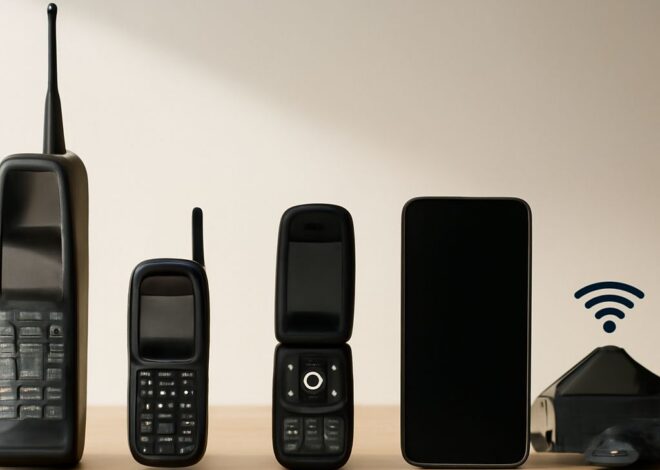
A pocket WiFi device (also called a mobile hotspot or MiFi) is a battery-powered device containing a cellular modem that connects to a mobile data network (4G LTE or 5G) and broadcasts a local WiFi signal that other devices can join. It’s essentially a router that uses cellular data rather than a fixed-line ISP. Pocket WiFi is useful for travel, remote work locations without fixed broadband, temporary internet access for events, or as a backup connection when your home internet fails. The device creates its own WiFi network — the “pocket” in the name refers to its compact, portable size. Monthly data costs vary by carrier and plan; unlimited plans are available but expensive compared to home broadband per gigabyte.
Key Takeaways
WiFi is the local wireless technology connecting your device to a router. The internet is the global network your router accesses through an ISP. The difference between internet and wifi matters for troubleshooting: modem problems affect internet, router problems affect WiFi. Pocket WiFi gives you a portable WiFi network anywhere with cellular coverage, combining both functions in one small device.