Bluetooth Guitar Amp, Pedometer, Analyzer, and Airplane Mode Guide
The word “Bluetooth” covers an unusually wide range of applications. You might be a guitarist researching a bluetooth guitar amp for practice use. Or you need a bluetooth pedometer for step counting that doesn’t require a smartphone present. Maybe you’re a technician who needs a bluetooth analyzer to troubleshoot interference in a building. And somewhere in your travels, you’ve wondered about bluetooth airplane rules — specifically, whether Bluetooth is actually prohibited on aircraft or whether that’s just an outdated policy everyone ignores.
This guide covers all four: what a bluetooth guitar amp actually delivers for guitarists, how a bluetooth pedometer differs from smartwatch step counting, what a bluetooth analyzer is used for professionally, and what bluetooth marketing means as a technology application.
Bluetooth Guitar Amp: Practice and Portability
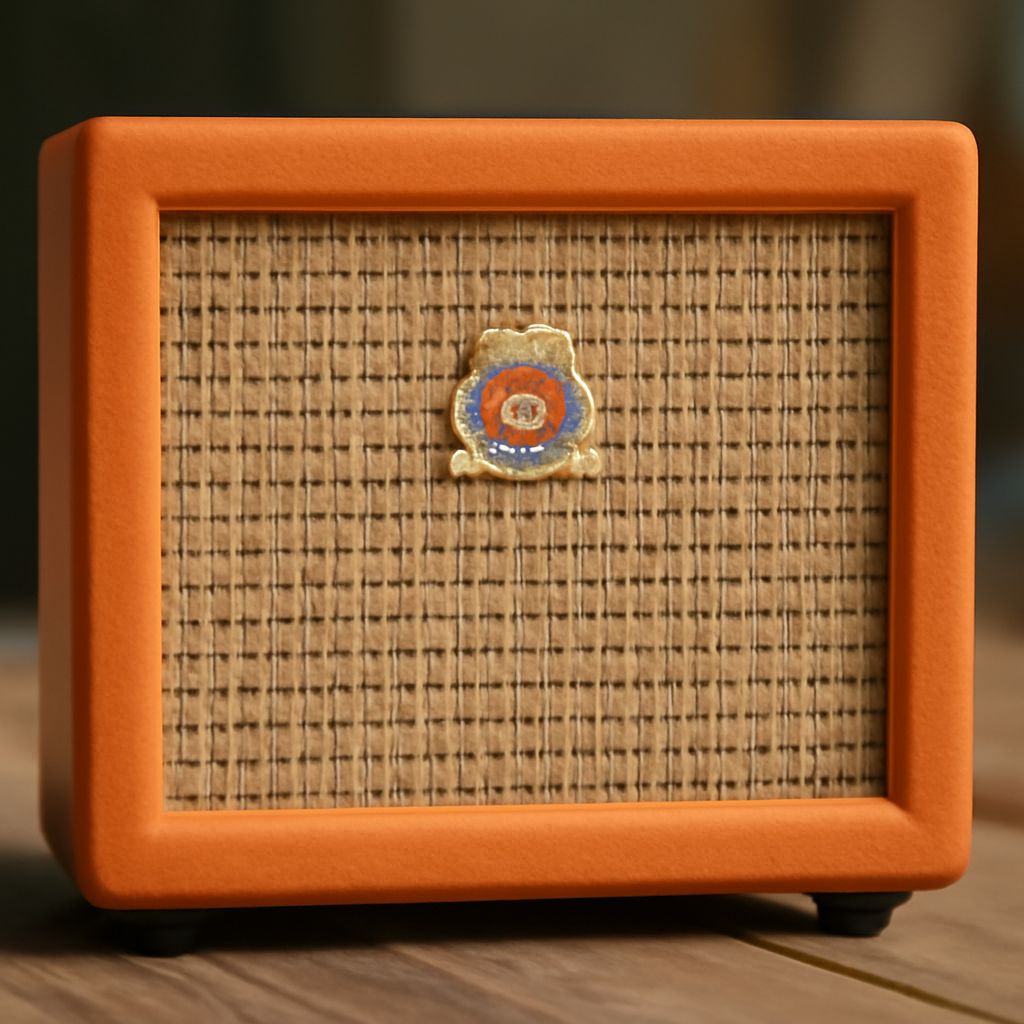
How Bluetooth Guitar Amps Work A bluetooth guitar amp combines a traditional guitar amplifier with a Bluetooth speaker input. You can plug your guitar into the amp input for standard amplified playing, and separately stream backing tracks, drum loops, or music from your phone via Bluetooth to practice along with. Some models allow simultaneous use — guitar signal through the amp while streaming audio plays alongside it. Fender’s Acoustasonic Bluetooth, Boss’s Katana Air (wireless guitar link + amp), and Blackstar’s Fly 3 Bluetooth are examples of practice amps with wireless streaming capability.
Limitations to Know
Bluetooth latency is a critical issue for guitar amplifiers. Standard Bluetooth audio introduces 40–150ms of latency, which is unusable for direct guitar monitoring — you can’t play in time when your own notes are delayed. This is why Bluetooth guitar amp products use Bluetooth only for the backing track input (where latency is acceptable) rather than for the guitar signal itself. The guitar connects via cable or proprietary low-latency wireless; Bluetooth handles the phone streaming input only. Understanding this prevents buying an amp expecting to play guitar wirelessly through Bluetooth.
Bluetooth Pedometer: Step Counting Without a Phone
A bluetooth pedometer is a dedicated step counter that pairs with a smartphone app to sync data wirelessly. Unlike smartwatches, standalone bluetooth pedometer devices focus specifically on step, distance, and calorie metrics without a screen showing heart rate, notifications, or other health data. This makes them suitable for older adults unfamiliar with smartwatch interfaces, workers who don’t want phone notifications on their wrist, and users who want a simple, long-battery-life device. Omron and Yamax are established pedometer manufacturers with Bluetooth sync models that run on standard batteries for weeks rather than requiring daily charging.
Bluetooth Analyzer: Professional RF Diagnostics
A bluetooth analyzer is a hardware or software tool used to monitor, capture, and analyze Bluetooth radio frequency traffic and spectrum usage. Professional RF engineers use hardware analyzers like the Ellisys Bluetooth Explorer or Frontline BPA to capture Bluetooth packets for protocol debugging, interference analysis, and compliance testing. Software-based bluetooth analyzers using SDR (Software Defined Radio) dongles allow hobbyists and smaller teams to analyze 2.4 GHz spectrum activity without expensive dedicated hardware. A basic bluetooth analyzer setup using an RTL-SDR dongle and the GQRX or SDR# software can identify Bluetooth device activity, WiFi channels in use, and interference sources across the 2.4 GHz ISM band.
Bluetooth Marketing and Bluetooth Airplane
Bluetooth marketing refers to proximity-based marketing using Bluetooth beacons — small transmitters that send signals to nearby phones. Retailers, airports, and events use beacon networks to deliver location-specific notifications, coupons, or navigation prompts to customers who have opted into a compatible app. The technology uses Bluetooth Low Energy (BLE) beacons that are passive transmitters, not interactive devices. Regarding bluetooth airplane mode: airline rules historically required all wireless devices to be in airplane mode during flight, but most airlines now permit Bluetooth during cruise altitude. Bluetooth operates in the same 2.4 GHz band as WiFi, which airlines allow on equipped aircraft, and Bluetooth’s low power output (typically 2.5mW–100mW) has no demonstrated interference with aircraft avionics. Check your specific airline’s current policy, as rules vary internationally.