Sweatproof Bluetooth Headphones: Top Picks and Charging Fixes
You’re halfway through a hard run when your audio cuts out. You check your phone — still connected. Then you remember: your headphones got soaked during last week’s session and you never let them dry fully before dropping them in the case. Sweatproof bluetooth headphones solve part of the problem, but even IP-rated earbuds need some care. And when bluetooth headphones not charging becomes the issue, a workout gets a lot less motivating.
This guide helps you find the best sport bluetooth headphones for your training style, explains the difference between the best bluetooth sport earbuds and over-ear options, and gives you real fixes for when bluetooth headphones won’t charge — so you’re not left holding a paperweight before your next session.
What Makes Headphones Truly Sweatproof?
IP Ratings Explained Sweatproof and waterproof are marketing terms — IP ratings are the standard. IPX4 means resistance to splashing from any direction, which covers sweat and light rain. IPX5 and IPX6 provide increasing protection from water jets. IPX7 means full submersion to 1 meter for 30 minutes. For workout headphones, IPX4 is the baseline minimum. If you run in rain or train near water, IPX5 or higher gives real confidence. Note that IP ratings are tested with fresh water — chlorinated or salt water wears down seals faster.
Materials That Handle Moisture Ear tip material matters for sweat resistance too. Silicone ear tips repel moisture better than foam and are easier to clean. For over-ear sport headphones, look for leatherette or protein leather ear pads that wipe down easily rather than fabric pads that absorb sweat and degrade. Internal moisture sealing around the driver housing protects the speaker element — this is where cheap sweat-resistant headphones fail, even when the external rating looks adequate.
Best Sport Bluetooth Headphones for Different Activities
Running and High-Intensity Training
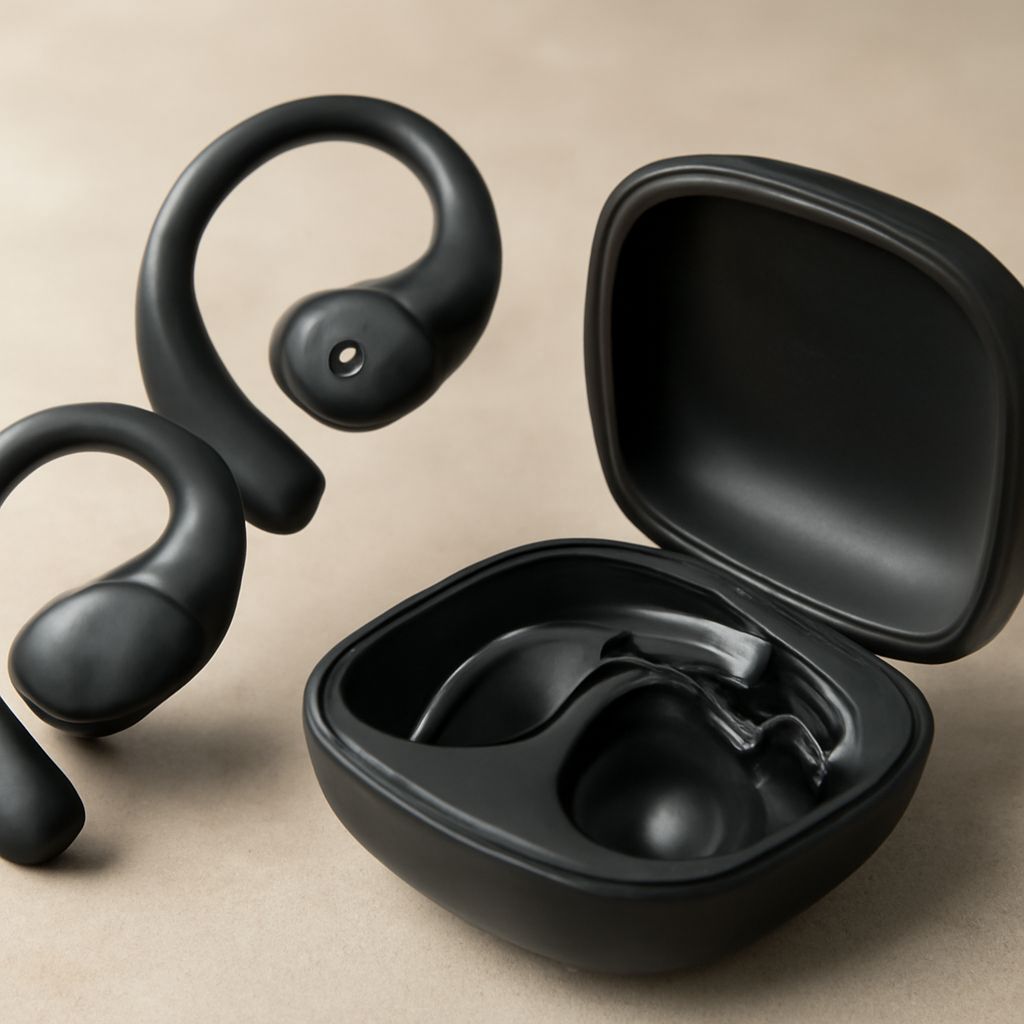
The best sport bluetooth headphones for running are in-ear or true wireless designs with ear hooks or fins for stability. Open-ear designs like bone conduction headphones let ambient sound through — useful for outdoor running safety. Jabra Elite Active series, Jaybird Vista 2, and Shokz OpenRun Pro are consistently recommended in this category. Battery life of 6+ hours matters more for longer runs; quick charge features (10 minutes charging = 1 hour playback) are genuinely useful for short-notice workouts.
Cycling and Outdoor Workouts Cycling benefits from open-ear designs that keep road awareness intact. Bone conduction options sit outside the ear canal entirely, leaving hearing unobstructed. Over-ear sport headphones work for gym use where ambient awareness matters less — the added driver size produces better bass response, which many people prefer for weight training. For HIIT and studio classes, secure-fit true wireless earbuds with a wing or fin tip stay put through jumping movements better than standard earbuds.
Best Bluetooth Sport Earbuds vs. Over-Ear Options
The best bluetooth sport earbuds win on portability, heat management, and running stability — a small earbud generates no heat against your head during outdoor cardio. Over-ear sport headphones win on audio quality, battery life, and comfort for extended gym sessions where you’re not sweating as heavily. Over-ear models also tend to have better microphone quality for calls between sets. The choice comes down to your primary use: commute-plus-gym users often prefer earbuds for their all-day portability, while dedicated gym-only listeners may prefer the sound quality of a compact over-ear sport model.
When Bluetooth Headphones Won’t Charge: Causes and Fixes
Bluetooth headphones not charging is usually one of four issues. First, dirty charging contacts — sweat residue and grime on the pins prevent contact; clean with a dry cotton swab or a toothpick to clear debris. Second, case charging failure — the case itself may be depleted or have a faulty USB-C port; try a different cable and charger. Third, firmware bug — some models get stuck in a state where charging is inhibited; a factory reset (hold both buds’ buttons for 10 seconds) clears this. Fourth, battery end of life — lithium cells degrade after 300–500 charge cycles; if your headphones are 3+ years old and bluetooth headphones won’t charge reliably after the above steps, the battery is likely at end of life and replacement or recycling is the practical option.
Bottom Line
Sport headphones succeed when they stay in place, survive moisture, and hold a charge when you actually need them. IPX4 or higher covers most workout needs, proper ear tip fit determines stability, and clean charging contacts prevent most power issues. Match the design to your primary activity rather than chasing specs you won’t use.