Bluetooth Key Finder: Never Lose Your Keys, Wallet, or Bag Again
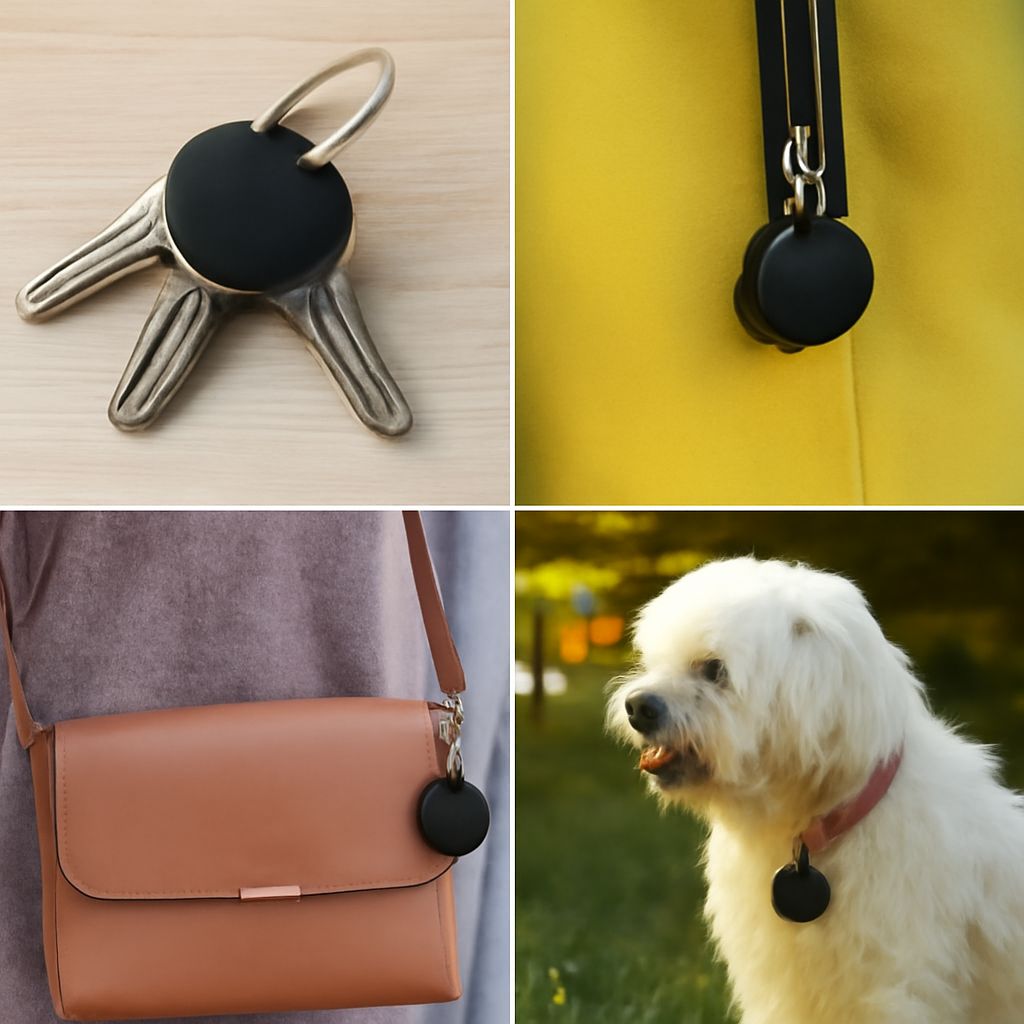
You’re already late and your keys have vanished into the couch cushions—again. A bluetooth key finder tag attached to your keyring solves this in seconds: open the companion app, tap Find, and the tag beeps loud enough to locate even under a cushion. The term bluetooth finder covers the broader category of small tracking tags that pair with your phone via Bluetooth, not just for keys but for wallets, backpacks, and remotes. When you need to find bluetooth device signals in a room, the app shows you a proximity indicator that gets stronger as you approach the tag. A bluetooth device finder works in the other direction too—press the button on the tag to make your phone ring even when it’s on silent. Whether you call the technology a tracker tag or just want to find bluetooth devices you’ve misplaced, the core technology is mature, affordable, and genuinely useful for everyday use.
How Bluetooth Key Finders Work
Every Bluetooth tracking tag broadcasts a short-range Bluetooth Low Energy (BLE) signal that your phone picks up when within range—typically 30–100 feet in open space, less through walls. The companion app maps signal strength to proximity, showing a “hot or cold” style indicator as you move toward the tag. When the tag is outside Bluetooth range, platforms like Apple Find My and Samsung SmartThings use crowdsourcing: other users’ phones silently detect your tag’s signal and anonymously report its location to the network, giving you a last-known GPS location even when you’re nowhere nearby.
Battery life on current key-finding Bluetooth tags runs 6–24 months on a standard CR2032 coin cell or a rechargeable internal battery. Some tags—notably Tile models—use replaceable batteries; Apple AirTags and Chipolo cards use non-rechargeable CR2032 cells; and Tile Ultra uses a rechargeable internal cell charged via USB-C.
Top Bluetooth Key Finder Options Compared
The Apple AirTag is the best Bluetooth device finder for iPhone users. It integrates into the Apple Find My network, which covers hundreds of millions of devices worldwide, giving it the densest crowdsource network of any tracker. Precision Finding on iPhone 11 and later uses Ultra Wideband (UWB) for directional tracking accurate to within a foot. The limitation: it only works with iPhone—Android users can’t use the Find My app.
The Tile Pro is the best cross-platform Bluetooth finder. It works with both iOS and Android through the Tile app and has the loudest built-in speaker in the consumer tracker market—95 dB—so you can actually hear it under couch cushions. Tile’s network is smaller than Apple’s, but the 400-foot Bluetooth range on the Pro model exceeds all competitors.
The Chipolo ONE Spot is designed specifically for Apple Find My without being an AirTag—it integrates into the same network and app but offers a replaceable battery and a thinner form factor suited to wallets. For Samsung Galaxy users, the Samsung SmartTag2 integrates with the SmartThings network and Galaxy ecosystem natively.
Tips for Getting the Most From Your Bluetooth Device Finder
Attach the tag to the item you lose most, not the most valuable item. The phone-finding feature—pressing the tag to ring your phone—works best when your phone is within Bluetooth range (100 feet), so this feature is most useful at home. For outdoor scenarios, the crowdsource network matters more than Bluetooth range. Items like luggage and backpacks benefit from tags with longer battery life and louder speakers. Keep the companion app updated to get the latest location accuracy improvements; manufacturers push these through app updates regularly. If you use multiple tracker brands, most third-party apps let you manage tags from different manufacturers in a single interface, reducing the number of apps you need open.