Best WiFi Antenna: Yagi and High-Gain Options for Maximum Range
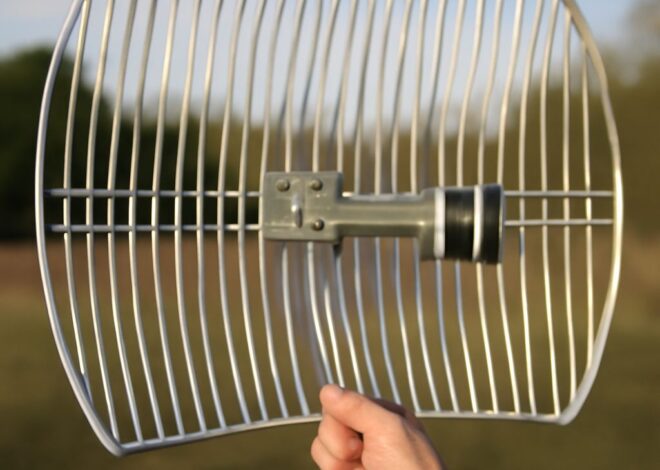
Your router’s built-in antennas reach the living room fine but drop off completely in the detached garage or the far end of your property. Upgrading to the best wifi antenna for your situation extends range dramatically without replacing the whole router. A directional yagi antenna wifi focuses signal in a narrow beam toward a specific target, making it ideal for point-to-point links. A yagi wifi antenna mounted on a roofline can bridge a 300-foot gap to a barn or outbuilding with a clean, stable signal. The wifi yagi antenna format has been in use for decades because the physics work: more elements on the yagi array means higher gain and longer useful range. Compact versions sold as USB wifi yagi adapters let a laptop or desktop receive a distant signal without additional hardware beyond the antenna itself.
Yagi WiFi Antennas: How They Work and Why They Excel at Range
The Yagi-Uda Design Explained A yagi wifi antenna uses a series of parallel elements—a driven element (the actual antenna), a reflector behind it, and multiple directors in front—to focus radio energy in one direction. Each additional director element increases gain by roughly 1.5–2 dB. A 12-element wifi yagi antenna produces approximately 14–16 dBi of gain, which is 10–12 times the radiated power of a standard 2 dBi omnidirectional antenna. That gain advantage translates directly into longer range on the receiving end of a wireless link.
Frequency Considerations
Most wifi yagi antennas target 2.4 GHz because that band travels farther at lower frequencies. 5 GHz yagi antennas exist but their shorter wavelength demands more precise physical alignment—a fraction of an inch off-axis reduces gain significantly at 5 GHz versus 2.4 GHz. For outdoor point-to-point links over 200 feet, 2.4 GHz yagi WiFi antennas are the reliable choice.
Choosing the Best WiFi Antenna for Your Specific Use Case
Point-to-Point Links For bridging two fixed locations—house to garage, office to warehouse—a yagi wifi antenna pair delivers the highest gain for the lowest cost. Mount one yagi on each building, point them at each other, and connect each to a wireless bridge or access point. Gain of 12–15 dBi on each end closes links of 300–600 feet reliably in open terrain. For longer distances up to 1–2 miles, dish antennas or a 20+ dBi yagi wifi array provide the extra margin needed.
Improving a Single Device’s Reception
USB wifi yagi antennas let a laptop or desktop receive a distant access point without infrastructure changes. A USB wifi yagi with 12 dBi gain and a 10-foot USB extension cable—positioning the antenna near a window—can receive a neighbor’s shared hotspot or a distant campsite router that a built-in laptop antenna can’t detect at all. Brands like Alfa Network (AWUS036ACH with an external yagi) and TP-Link offer USB adapters with external antenna ports suited to this use.
Installation and Alignment Tips for Yagi WiFi Antennas
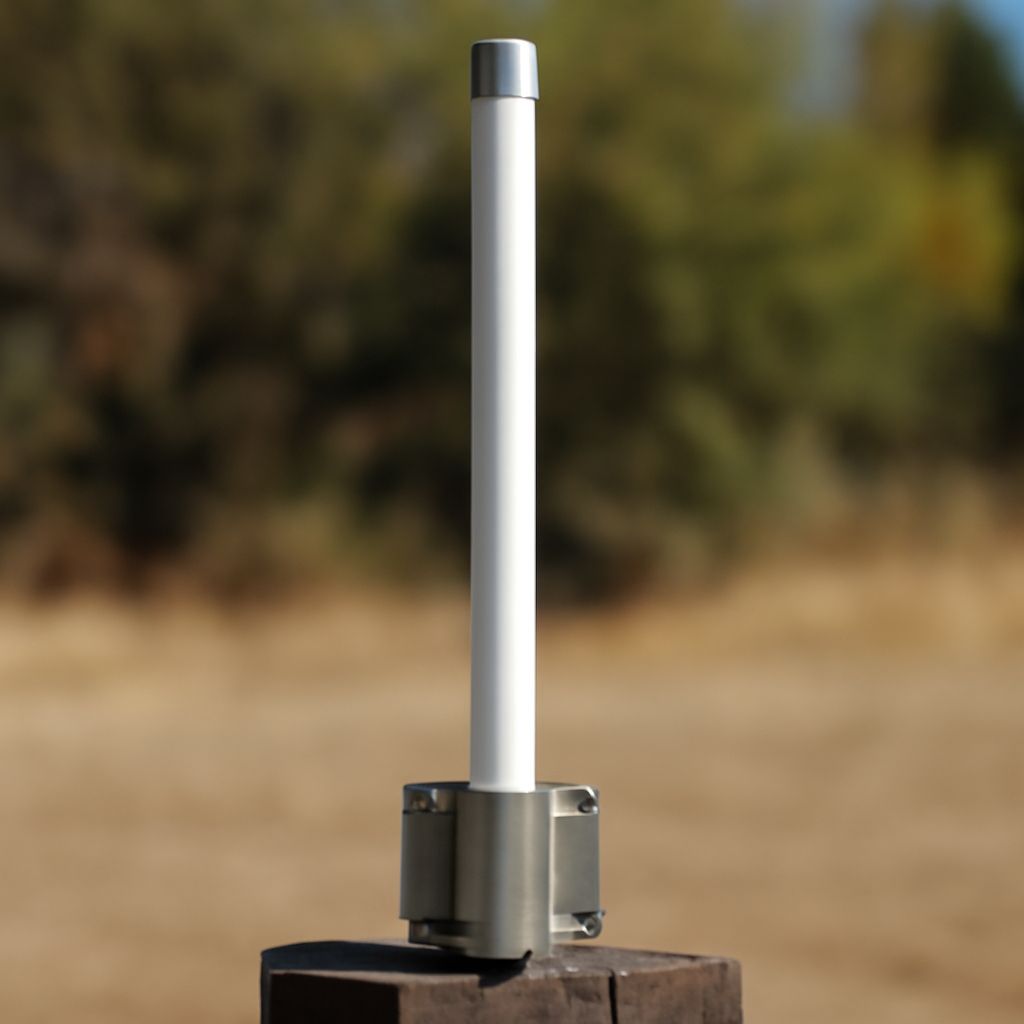
Yagi wifi antenna alignment is the most critical step in any installation. Point the driven element directly at the target access point—a 10-degree misalignment can reduce effective gain by 3–4 dB, noticeably shortening your link range. Use a WiFi survey app during alignment to monitor signal strength (RSSI) in real time; aim for peak RSSI before fastening the mounting bracket permanently. Waterproof outdoor wifi yagi antennas with N-type connectors and stainless steel mounting hardware outlast cheaper alternatives by years in exposed installations. Use LMR-400 coax or better for any cable run longer than 3 meters to avoid eating your antenna’s gain advantage in cable losses.
Key Takeaways
A yagi wifi antenna is the best wifi antenna for point-to-point outdoor links because directional gain directly extends usable range without raising transmit power. Choose 2.4 GHz yagi arrays for distances over 200 feet, align carefully using a live RSSI monitor, and use low-loss coax to preserve the gain advantage the yagi provides.