Swollen Eye: Causes and Solutions
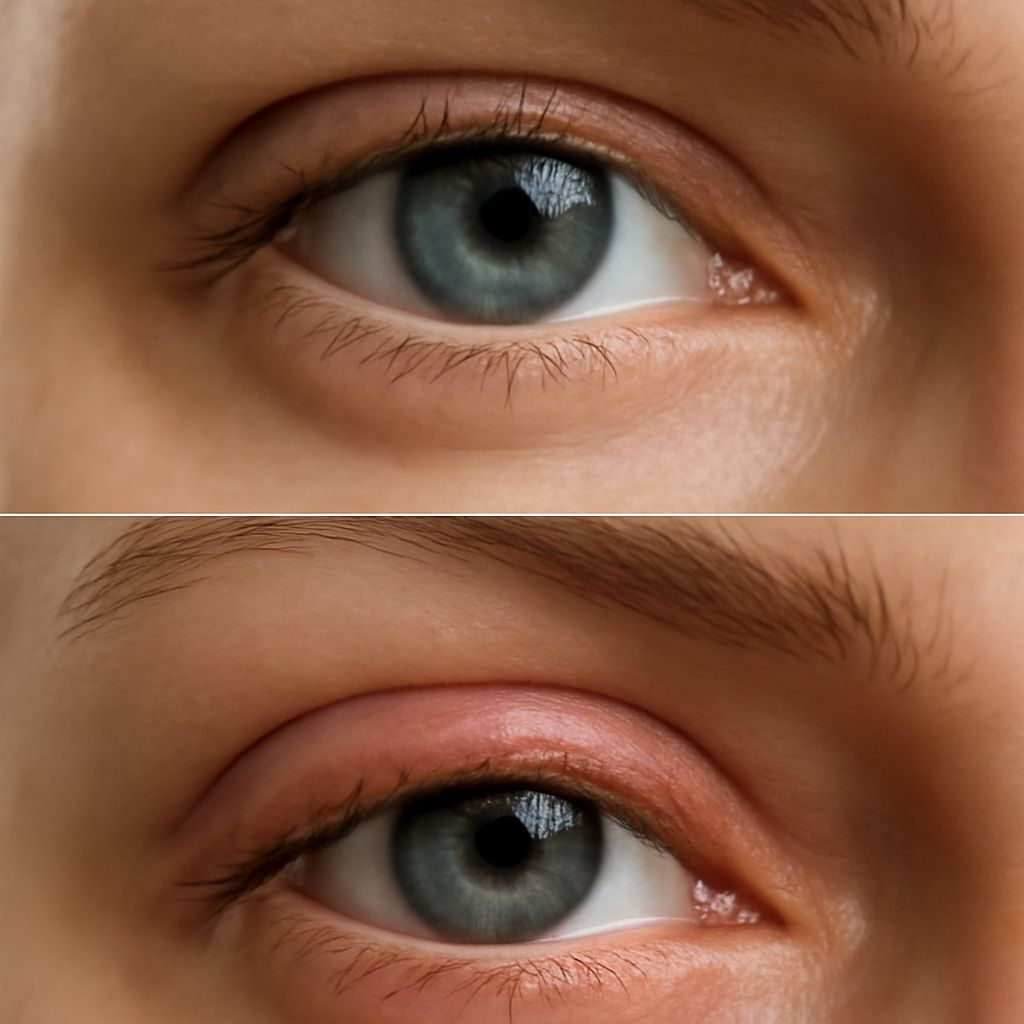
Imagine waking up one morning, ready to tackle the day, when you suddenly notice your eye is swollen. It’s puffy, uncomfortable, and definitely unexpected. “Why is my eye swollen?” you might wonder, as you search for swollen eyelid causes online. You’re not alone—understanding what leads to this common issue can help you find effective remedies and prevent future occurrences. Let’s dive into the possible causes and solutions for this pesky problem.
What Causes a Swollen Eye?
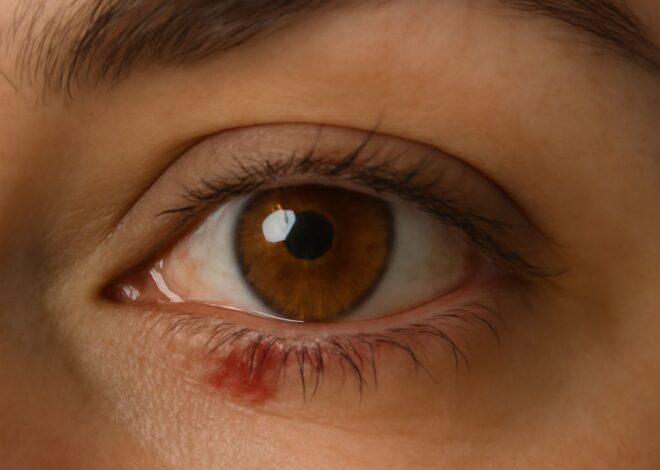
Swelling around the eye can occur for a variety of reasons. Allergies are a frequent culprit, with pollen, dust, or pet dander causing an allergic reaction that leads to puffiness. Infections, such as conjunctivitis or blepharitis, often result in eyes that are swollen due to inflammation and irritation.
Other potential triggers include trauma or injury, which might lead to a black eye or swelling from fluid accumulation. Additionally, clogged oil glands in the eyelids can create a stye, a painful lump that might be responsible for the swelling. Understanding these varied causes can help you identify why your eye is swollen.
Why Is My Eye Swollen? Understanding the Symptoms
When dealing with a swollen eye, it’s essential to observe any accompanying symptoms. Redness, itchiness, or a gritty sensation may indicate an allergic reaction. If there’s a discharge or crusting along with swelling, an infection might be the underlying cause. Painful swelling, accompanied by a firm lump, could suggest a stye or chalazion.
Awareness of these symptoms aids in narrowing down the possible reasons behind your swollen eyelid. Knowing the distinct characteristics of these conditions helps you in seeking appropriate treatment and managing discomfort effectively.
How to Treat a Swollen Eyelid
Treating a swollen eyelid starts with identifying its root cause. For swelling due to allergies, antihistamines or allergy eye drops might provide relief. Cold compresses can also help reduce puffiness and soothe irritated eyes.
If an infection is causing the swelling, consulting with a healthcare professional for appropriate antibiotic treatment is essential. For styes, warm compresses can encourage drainage and healing, reducing swelling over time. Over-the-counter pain relievers may also alleviate discomfort, making it easier to manage the symptoms.
Remember that seeking medical advice is crucial if symptoms persist or worsen, ensuring you receive the right care promptly.
Preventing Future Swollen Eyelids
Preventing swollen eyelids often involves lifestyle adjustments and vigilant eye care. Regularly washing your hands and avoiding touching your face can minimize the risk of transferring bacteria or allergens to your eyes.
For allergy sufferers, maintaining a clean living environment by reducing dust and using air purifiers can lessen exposure to triggers. Proper eyelid hygiene, including gently cleaning your eyelids and removing makeup before bed, helps prevent blockages in oil glands.
Understanding your specific triggers and taking proactive steps can significantly reduce the chances of experiencing swollen eyelids in the future.
Bottom line: Swollen eyes are a common yet manageable issue. By understanding the causes and symptoms, you can find effective treatments and prevent future occurrences. Taking these steps ensures your eyes remain healthy and comfortable.