When Was Steel Invented and Its Evolution
Imagine standing on the brink of a technological revolution, contemplating the materials that make our modern gadgets possible. As you hold your smartphone, you might wonder, “When was steel invented?” and how it evolved into such a critical component of contemporary devices. Steel’s journey from its ancient roots to its current applications is a testament to human ingenuity and the drive for progress. Discover how steel was discovered, marking a pivotal moment in history that transformed industries globally and continues to impact lives today.
The History of Steel: From Discovery to Invention
The history of steel is a narrative spanning thousands of years, illustrating human innovation’s dynamic nature. Initially, early civilizations worked with basic iron, primarily through the use of meteoric iron, due to its natural occurrence. It wasn’t until the Iron Age that people began experimenting with techniques to extract iron from ore and recognized steel’s potential.
In ancient India, around 400 BC, the development of what’s now known as Wootz steel marked a significant milestone. This high-quality steel was renowned for its durability and was exported throughout the Middle East, where it became the foundation for the legendary Damascus steel. Over the centuries, various cultures, including the Chinese and Romans, enhanced steel-making techniques, gradually improving the material’s strength and versatility.
When Was Steel Invented?
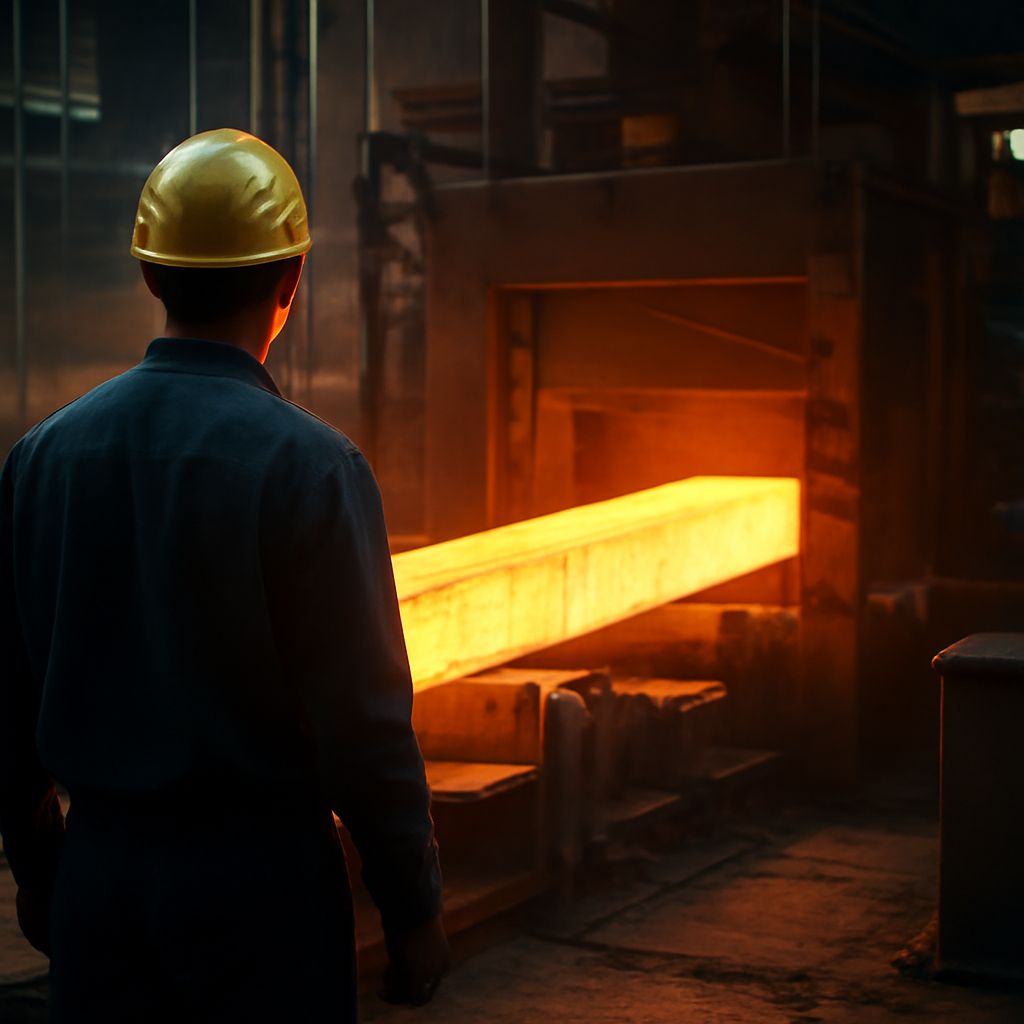
The invention of modern steel is generally attributed to the 19th century, thanks to the Bessemer Process. This method, developed by Henry Bessemer in the 1850s, revolutionized steel production by drastically reducing the cost and time required to produce steel. By blowing air through molten iron, impurities were removed, resulting in strong, low-cost steel that could be mass-produced.
Before Bessemer’s innovation, steel was expensive to produce and thus used sparingly. The introduction of this revolutionary process marked the beginning of steel’s widespread application, laying the groundwork for the industrial revolution’s advances in manufacturing and transportation.
How Was Steel Discovered?
The discovery of steel was not a single event but rather a gradual process of experimentation and refinement over centuries. Early discoveries occurred when blacksmiths noticed that certain iron pieces were more resilient, a result of carbon inadvertently incorporated during the smelting process.
Ancient artisans, through trial and error, realized that adding carbon to iron produced a harder, more flexible material. This accidental discovery led to deliberate methods of production and the refinement of techniques such as carburizing, where iron is heated in contact with carbon sources like charcoal.
As metallurgical knowledge evolved, cultures worldwide contributed to a growing understanding of steel-making, honing practices that increased both the quality and quantity of steel produced.
What is Steel Used For in the Modern World?
In today’s world, steel’s applications are vast and diverse. From towering skyscrapers and expansive bridges to everyday appliances and vehicles, steel underpins much of modern infrastructure and technology. Its durability and adaptability make it essential for construction, where it’s used for both structural frameworks and aesthetic finishes.
The automotive industry heavily relies on steel for manufacturing vehicles, with its strength-to-weight ratio playing a crucial role in safety and efficiency. Likewise, in the realm of consumer electronics, steel provides the necessary strength and precision required for making various components, ensuring durability and performance.
Moreover, the medical field benefits from steel’s properties, using stainless steel for surgical instruments and implants due to its corrosion resistance and ease of sterilization. Steel continues to adapt to technological advancements, remaining indispensable in emerging industries such as renewable energy and advanced manufacturing.
Bottom line: Steel’s invention and evolution are pivotal in shaping today’s technological landscape. From its historic roots to its myriad of applications, steel exemplifies human perseverance and innovation. Its journey from discovery to modern usage underscores its timeless utility and transformative impact on global industry.