Global WiFi: Stay Connected Anywhere in the World
Global WiFi: Stay Connected Anywhere in the World
You land in a new country, your phone plan charges $10 per day for international data, and the hotel lobby Wi-Fi drops every 20 minutes. Global wifi solves that problem by giving you a dedicated internet connection you carry with you, independent of any hotel network or local SIM card. Renting or buying a global wifi hotspot before you travel gives you predictable speeds, a known daily rate, and the ability to connect multiple devices at once.
If your itinerary includes European cities, a portable wifi europe device is usually the most cost-effective solution for stays of a week or longer. The best pocket wifi europe devices let you stream, video call, and navigate without hunting for open networks or paying per-country roaming charges. An europe pocket wifi rental can often be ordered online and shipped to your home before departure, then returned by mail when you get back. This guide helps you choose the right option for your trip.
What Is a Global WiFi Hotspot?
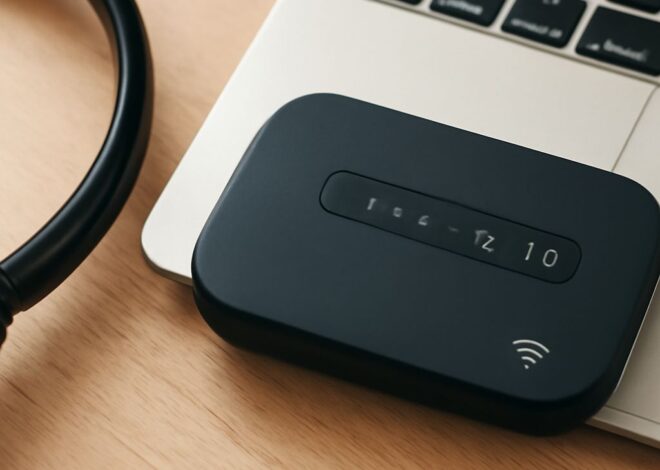
A portable wi-fi hotspot is a small device about the size of a deck of cards that connects to local cellular networks in the countries you visit and shares that connection as a personal Wi-Fi signal. Your phone, laptop, and tablet connect to it as if it were any other Wi-Fi access point. Global wifi hotspot devices cover anywhere from one country to 130+ countries depending on the plan. Some devices use eSIM technology to switch networks automatically as you cross borders. Others use physical SIM cards that you swap out per country. eSIM-based global travel hotspots are generally more convenient for multi-country trips since you do not need to manage multiple physical cards.
Portable WiFi for Europe: What You Need to Know
European cell networks operate on frequencies that most North American devices support, but data roaming costs vary by carrier. A pocket wifi device for Europe typically gives you 4G LTE connectivity across EU member states, the UK, Switzerland, and Norway under a single plan. Most portable wifi europe devices cover 25 to 40 European countries on one plan. Daily data limits vary: some plans offer 1 GB per day per device, others offer unlimited at reduced speed after a threshold. For a 10-day trip with video calls and navigation, budget for at least 500 MB per day per device connected.
How to Choose the Best Pocket WiFi Europe Device
Compare on four criteria: coverage area, data allowance, device battery life, and simultaneous connection limit. Coverage area should match your specific countries; check that your destinations are listed, not just assumed. Data allowance should cover your actual usage; streaming HD video uses 3 GB per hour, so throttled plans may not meet your needs. Battery life on pocket wifi Europe devices ranges from 8 to 16 hours. A device that dies at 2 PM requires you to carry a power bank. Connection limits typically range from 5 to 10 devices; if you are traveling with family or colleagues, confirm the limit before booking.
Rental vs. Purchase: Which Is Better?
Renting a global hotspot makes sense for occasional travelers. Rental rates run $8 to $15 per day for European coverage, which is cheaper than international phone plan add-ons from most US carriers. Purchase makes sense if you travel internationally more than four times per year. A quality pocket wi-fi device costs $80 to $200 upfront, and pay-as-you-go data plans run $15 to $30 per trip week. Major rental services include Teppy, KnowRoaming, and TravelWifi, all of which ship devices to your home before departure and include prepaid return envelopes. Purchased devices typically use eSIM-compatible platforms like Airalo or GigSky for flexible data top-ups.
Pro Tips Recap
Order your device at least 5 business days before departure to avoid shipping delays. Keep the hotspot in your bag rather than your pocket to reduce battery drain from body heat. Turn off automatic app updates and cloud backups on connected devices to avoid unexpected data consumption overnight. If your trip covers countries outside the main EU coverage zone, confirm those countries are included in your specific plan before you leave home.