Japan Pocket WiFi: Your Complete Guide to Staying Connected in Japan
Japan Pocket WiFi: Your Complete Guide to Staying Connected in Japan
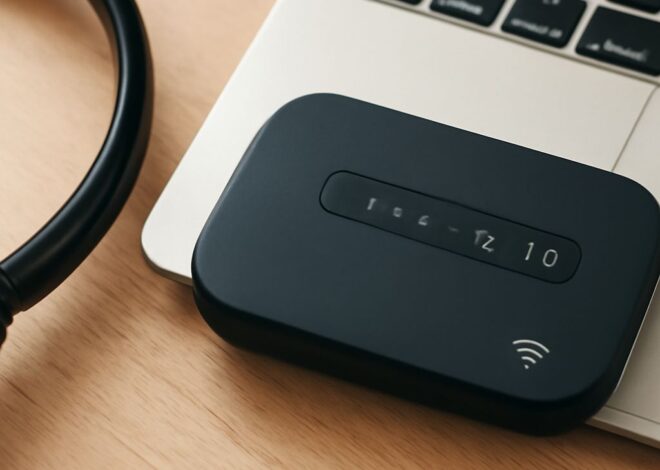
You land at Narita and need a working map, a translation app, and a way to message your hotel—all at once. Relying on your home carrier’s international plan burns through data fast and costs a small fortune. Renting a japan pocket wifi device before your trip gives you unlimited (or high-volume) LTE data for a flat daily fee. Japan pocket wifi rental counters operate at major airports, and many services mail the device to your arrival hotel so it’s waiting when you check in. If you’ve used wifi rental in other countries, the process is similar—you pick up a small router, pop it in your bag, and every device you carry connects through it. A pocket wifi rental accommodates multiple travelers sharing one plan, which is far cheaper than buying separate SIM cards. For those who need internet access both before departure and after returning home, some services offer wifi rental usa coverage as an add-on to the Japan plan.
How Japan Pocket WiFi Rental Works
Booking and Pickup
Most Japan wifi hotspot rental companies let you reserve online 24–48 hours before arrival. You specify your travel dates, choose a data plan (unlimited or tiered), and select pickup location—airport counter, convenience store pickup, or mail delivery to your first hotel. Airport counters at Narita T1, T2, Haneda, Kansai, and Chubu are the most common pickup points for renting a mobile hotspot in Japan. Return is equally simple: drop the device in the prepaid envelope at any post box on your last day.
Network Coverage and Speed
Japan pocket wifi routers run on Japan’s major LTE networks—NTT Docomo, SoftBank, and au—which collectively cover 99% of populated areas. In major cities and on Shinkansen routes, you’ll see 4G LTE speeds of 30–100 Mbps download. Remote mountain areas and some underground train tunnels have weaker signal, but these gaps are brief. Unlimited plans from providers like Japan Wireless, WiFiBBB, and Global Advanced Communications typically cap speeds at 10 Mbps after a daily threshold (often 3–5 GB) to manage network load—still more than enough for navigation and messaging.
Choosing the Right Pocket WiFi Rental Plan
Compare plans on three points: daily data cap, number of simultaneous connections, and battery life. A solo traveler checking maps and social media rarely hits 1 GB per day; a family of four streaming video might need 5 GB. The device’s battery is equally important—most pocket hotspot rentals for Japan run 8–10 hours per charge, but heavy use drains them faster. Carry a power bank if you’re out all day. For simultaneous connections, most Japan wifi rental units support 5–10 connected devices, which covers a phone, tablet, and laptop without issue.
Price ranges from ¥500 to ¥1,200 per day depending on data tier and provider. Compare the cost of renting a portable wifi router in Japan against your carrier’s international day pass—for stays longer than five days, pocket wifi almost always wins on both cost and performance.
WiFi Rental USA and Pre-Trip Planning
Some travelers want a working device from the moment they leave home. Several Japan-focused wifi rental services ship to US addresses before departure, giving you the router before you board. This is especially useful if you need to pre-load navigation apps or share travel documents while still in the US. When the device arrives, it works immediately on your home network via Ethernet and switches to Japanese LTE networks automatically when you land.
Check the return policy carefully when renting a Japanese pocket wifi device from a US-based service. Most include a prepaid return envelope for US-side returns; make sure you drop it within the specified window to avoid late fees.
Pro Tips Recap
Book your Japan pocket wifi rental at least 48 hours before departure to guarantee airport counter availability. Choose airport pickup over mail delivery if your arrival flight lands late—post offices and hotels have limited hours. Carry a USB power bank rated at least 10,000 mAh to extend your portable wifi router’s daily range. Confirm network coverage for your specific destinations, particularly if you’re heading to rural Hokkaido or Okinawa’s smaller islands.