DTG Printer Under $1000: What You Actually Get and What to Watch Out For
DTG Printer Under $1000: What You Actually Get and What to Watch Out For
You want to print directly on t-shirts, hoodies, and bags without screen printing setup costs or minimum order quantities. A dtg printer under $1000 sounds like the accessible entry point—but the reality of what’s available in that price range requires honest evaluation. Most searches for a cheap dtg printer lead to modified Epson desktop inkjets retrofitted with DTG firmware, not purpose-built direct-to-garment machines. Reading actual dtg printer reviews from shop owners rather than manufacturer spec sheets reveals consistent patterns: print quality is usable but limited, white ink requires constant maintenance attention, and direct to garment printer reviews for sub-$1000 units frequently flag head-clogging issues when the machine sits idle. Understanding dtg printer parts and their failure modes before buying lets you evaluate whether the ongoing maintenance cost fits your business model.
What “DTG Printer Under $1000” Actually Means
Modified Desktop Inkjets
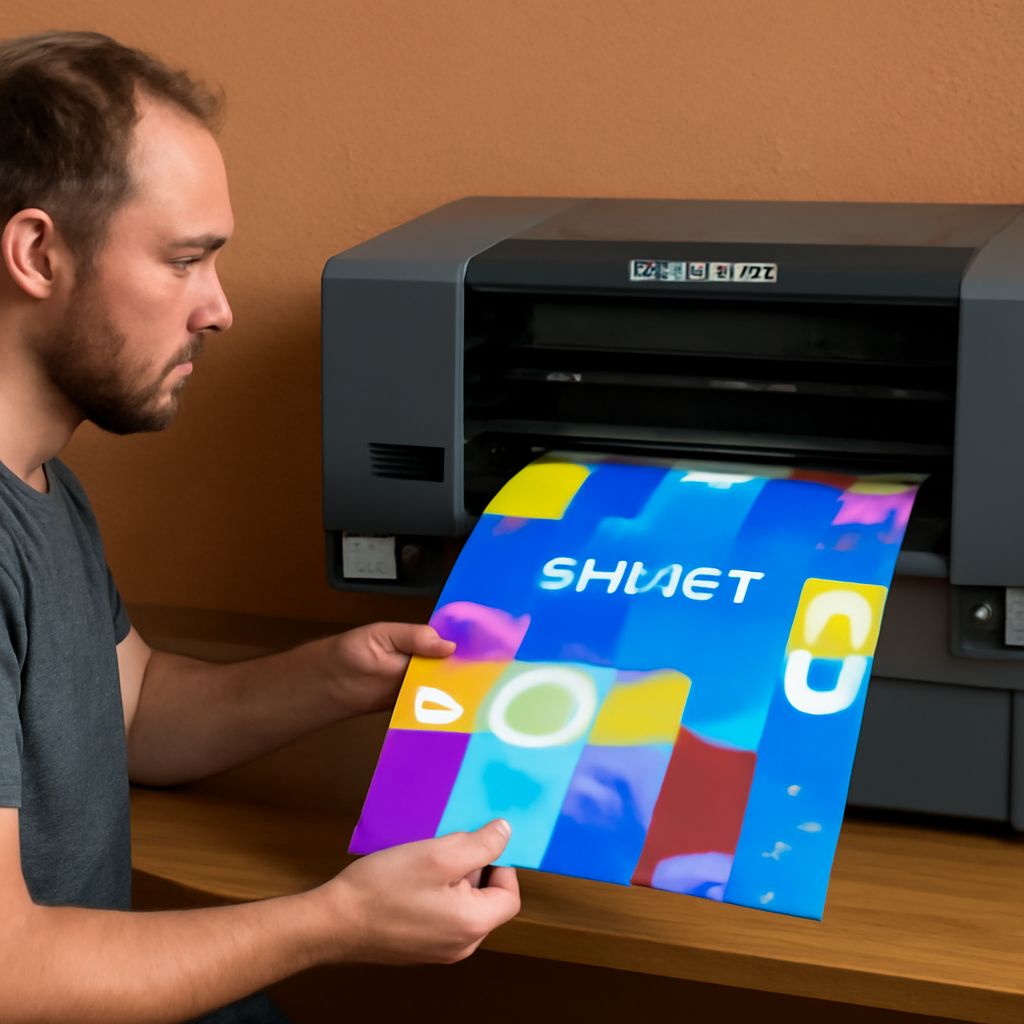
The majority of direct to garment printers under $1,000 are modified Epson ET-series or L-series inkjet printers adapted with a flat platen for garment placement. Suppliers like Prestige, Inktee, and various Alibaba vendors sell conversion kits or pre-modified units. Print quality on these cheap DTG printer setups is acceptable for simple 1–2 color designs on white or light garments. White ink printing—which all DTG on dark shirts requires—is technically possible but demands a dedicated white ink channel, which these modified machines handle inconsistently.
Entry-Level Purpose-Built DTG Machines
A handful of purpose-built DTG units target the sub-$1,000 and just-over-$1,000 range. The Prestige DTF R2 and similar units use bulk ink systems designed for garment work from the start, with platens sized for adult t-shirts (14×16 inches or larger). Reading DTG printer reviews for these purpose-built machines shows better white ink performance than modified desktop units, though maintenance requirements remain significant compared to professional-grade machines costing $10,000+.
DTG Printer Parts: What Fails and What It Costs
The print head is the most expensive replaceable DTG printer component. On modified Epson units, a replacement Epson printhead costs $150–$400 depending on the model. White ink clogs print heads faster than CMYK ink because white pigment particles are heavier and settle in nozzles more readily. Daily maintenance on any cheap DTG printing machine includes running purge cycles, capping the head when idle, and shaking ink cartridges to keep pigment in suspension. Failing to cap the head overnight causes nozzle blockages that require professional cleaning or head replacement.
Platens—the flat boards garments mount on—wear out faster on high-volume machines. For sub-$1,000 DTG printers, platen replacement parts typically cost $30–$80 and require no special tools to swap. Belts, wiper blades, and cap stations are the other common direct-to-garment printer parts that wear with use; confirm parts availability before buying any brand, as discontinued models lose parts supply quickly.
What DTG Printer Reviews Say About Real-World Performance
Direct to garment printer reviews from Etsy sellers and small merch shops consistently highlight three patterns in budget DTG machines: color vibrancy on white shirts matches expectations; white ink on dark shirts requires multiple passes and pre-treatment with polyethylene glycol spray, adding 3–5 minutes per shirt; and the machine needs at least one print every 24–48 hours to keep white ink from settling and clogging. Shops that print fewer than 10 shirts per week report higher maintenance frustration and cost per print than shops running the machine daily.
Next Steps
Before purchasing a DTG printer under $1,000, calculate your realistic monthly volume and cost-per-print including ink, pre-treatment spray, and estimated head cleaning cycles. If you print fewer than 20 shirts per week, a DTF (direct-to-film) printer often makes more economic sense—DTF transfers don’t require daily maintenance and work on any fabric color without pre-treatment. If you proceed with a budget DTG setup, buy from a supplier who offers US-based technical support and confirmed parts availability for at least three years.