3D Metal Printer: How Metal 3D Printing Works and Who It’s For
3D Metal Printer: How Metal 3D Printing Works and Who It’s For
You’ve seen aluminum brackets and titanium surgical implants described as 3D printed and wondered whether a 3d metal printer is something a small shop or serious maker can realistically own. The technology for 3d printer metal output has evolved from strictly industrial systems costing hundreds of thousands of dollars to desktop-accessible machines that print stainless steel and copper alloys for a fraction of that cost. A 3d printer that prints metal uses fundamentally different processes than plastic FDM—some melt metal powder with a laser, others bind metal particles with a polymer that burns away in a furnace. The term metal printing 3d printer covers several distinct methods, each suited to different part geometries and material requirements. When people search for an all metal 3d printer, they sometimes mean a printer with an all-metal hotend for high-temperature plastics rather than a printer that actually produces metal parts—an important distinction when evaluating options.
How 3D Metal Printers Actually Work
Three main processes dominate the metal 3D printing space. DMLS/SLM (Direct Metal Laser Sintering / Selective Laser Melting) uses a high-powered laser to fuse metal powder layer by layer in a sealed chamber. This produces fully dense parts in titanium, Inconel, stainless steel, and aluminum alloys—the same process used for aerospace and medical implants. Machine costs start around $200,000 for professional metal laser melting units.
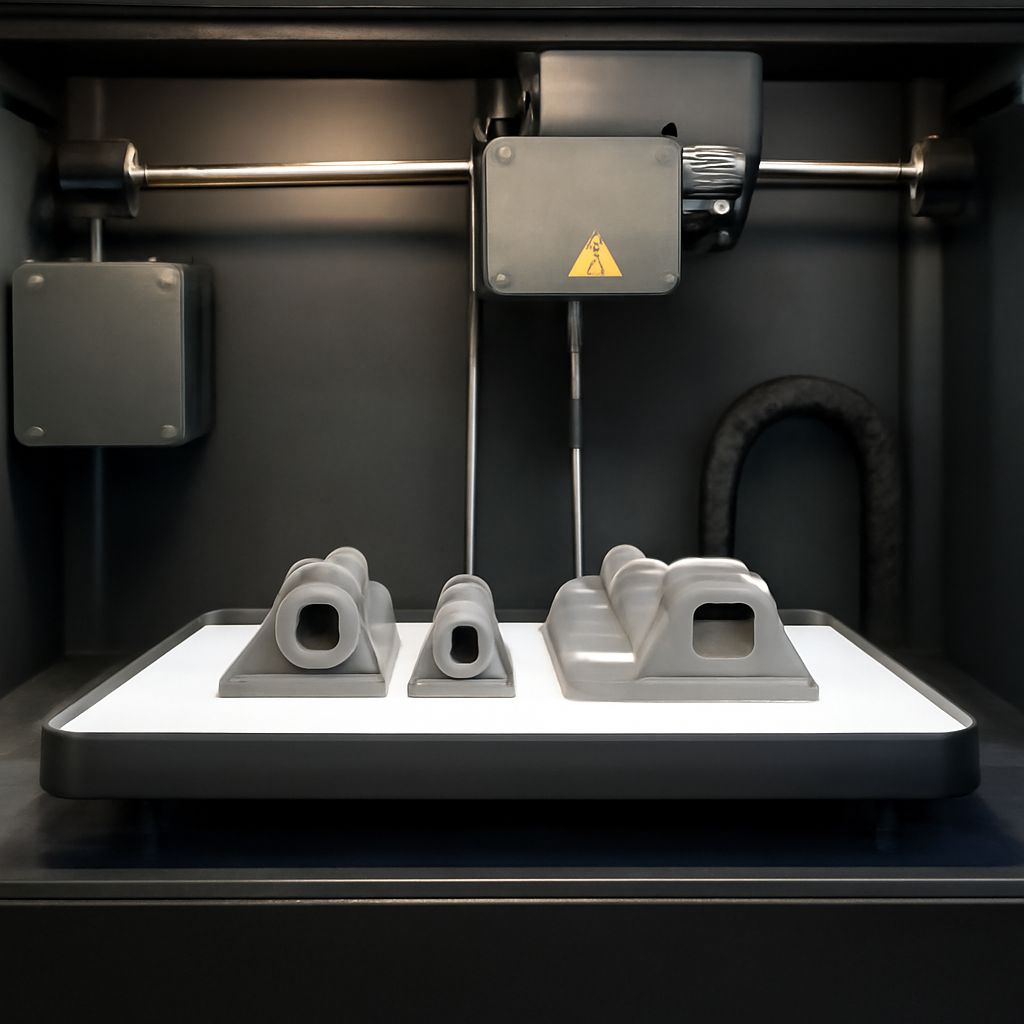
Bound Metal Deposition (BMD)—used by Desktop Metal, Markforged Metal X, and similar systems—extrudes metal-powder-infused polymer rods like FDM. The green part goes into a furnace where the polymer burns away and the metal sinters to full density. This method costs $100,000–$200,000 for the full system. The third approach is Metal FDM with sintering at the consumer level: companies like Sinterit, Renishaw, and Mantle target professional workshops rather than hobbyists, but prices have dropped to $30,000–$80,000 for capable systems.
Desktop-Accessible Metal 3D Printing Options
A few companies now sell metal 3D printing solutions specifically targeting smaller shops and serious makers. Markforged Metal X prints 17-4 PH stainless steel, H13 tool steel, and copper using bound metal deposition. The system costs roughly $100,000 for the printer plus wash station and furnace. Desktop Metal Studio System uses a similar bound metal process at a similar price point.
At the most accessible end, metal-infused filament for standard FDM printers—brands like Copper3D, Proto-Pasta, and ColorFabb—contains real metal particles in a PLA or PETG base. These filaments produce parts that look and feel metallic and can be polished to a shine, but they are not structurally metal. They work in any all-metal hotend FDM printer and cost $40–$80 per kilogram. For decorative applications and low-stress functional parts, metal-fill filament is the practical desktop metal 3D printing option.
Materials and Applications for Metal 3D Printed Parts
Professional metal 3D printing machines handle stainless steel (316L, 17-4 PH), titanium (Ti-6Al-4V), aluminum (AlSi10Mg), copper, and superalloys like Inconel 718. Each material requires specific laser parameters and post-processing. Stainless steel parts from a metal powder laser printer typically have tensile strength comparable to wrought steel after heat treatment—suitable for functional tooling, brackets, and manifolds. Titanium parts printed via DMLS match or exceed the properties of machined titanium, which is why medical device companies use metal 3D printing for custom orthopedic implants.
Is a Metal 3D Printer Right for Your Shop?
The honest answer depends on part complexity and volume. If you need one custom stainless bracket per month, outsourcing to a metal 3D printing service bureau (Protolabs, Xometry, or Shapeways Metal) costs $50–$500 per part and requires zero capital investment. If you need complex metal parts in batches of 10–50 per week with fast turnaround, an in-house metal printing 3D printer setup pays for itself within 1–3 years at professional shop volumes.
Safety recap: Metal powder used in DMLS and SLM printers is a fire and inhalation hazard. Always operate powder-bed metal 3D printing machines in a properly ventilated space with appropriate PPE, and follow the manufacturer’s procedures for powder handling and disposal without exception.