DIY WiFi Antenna: Build or Buy an Omnidirectional Antenna for Better Range
DIY WiFi Antenna: Build or Buy an Omnidirectional Antenna for Better Range
Your router’s signal drops halfway across your house or barely reaches the back yard. A diy wifi antenna project can double your effective range with materials that cost under $10. The most practical design for home use is an omnidirectional wifi antenna that broadcasts signal in all directions simultaneously—unlike a directional antenna, you don’t need to aim it at a specific target. A homemade wifi antenna based on the cantenna or vertical collinear design has been used by hobbyists and network engineers for decades to extend router range without buying commercial hardware. An omni directional wifi antenna made from copper wire or a tin can produces a genuine improvement in signal strength when built correctly and connected to the right antenna port. The omni directional antenna wifi category spans both DIY builds and low-cost commercial units—understanding the physics helps you decide which approach fits your situation.
Why Omnidirectional WiFi Antennas Work
Gain and Pattern Explained
An omnidirectional wifi antenna radiates in a horizontal plane around its vertical axis—like the brim of a hat rather than a spotlight beam. Standard router antennas produce 2 dBi of gain. A DIY vertical collinear omni directional wifi antenna of two or three elements produces 5–7 dBi, which translates to roughly double the effective range at ground level. The gain comes from compressing the vertical radiation pattern—signal that would have gone toward the floor or ceiling gets redirected outward along the horizontal plane where devices actually sit.
Frequency and Wavelength
A homemade wifi antenna must be sized correctly for the target frequency. At 2.4 GHz, a quarter-wave element is approximately 31 mm (1.22 inches) long; at 5 GHz, it shrinks to about 15 mm. Getting this measurement right is the single most critical step in building a diy wifi antenna that actually improves performance rather than degrading it. Off-by-a-few-millimeters mistakes produce antennas that radiate poorly or create standing wave reflections that damage the transmitter port.
Simple DIY WiFi Antenna Designs You Can Build
The Cantenna (Waveguide)
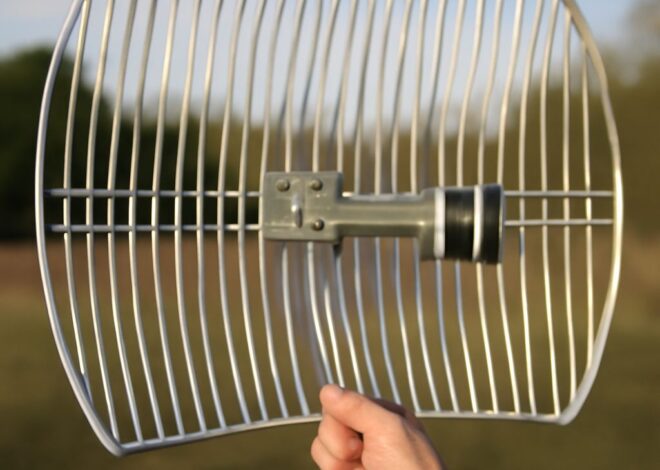
The cantenna is a directional design—not omnidirectional—but it’s the easiest first diy wifi antenna project. A Pringles can, coffee can, or food-grade metal cylinder cut to the correct length and fitted with an N-connector and a driven element inside produces 10–15 dBi of directional gain toward one specific target. Build instructions specify the can diameter (65–110 mm for 2.4 GHz), the waveguide length (90–100 mm minimum), and the driven element position (measured precisely from the closed end). This design suits point-to-point links—house to garage—rather than whole-area coverage.
Copper Pipe Collinear Omnidirectional Antenna
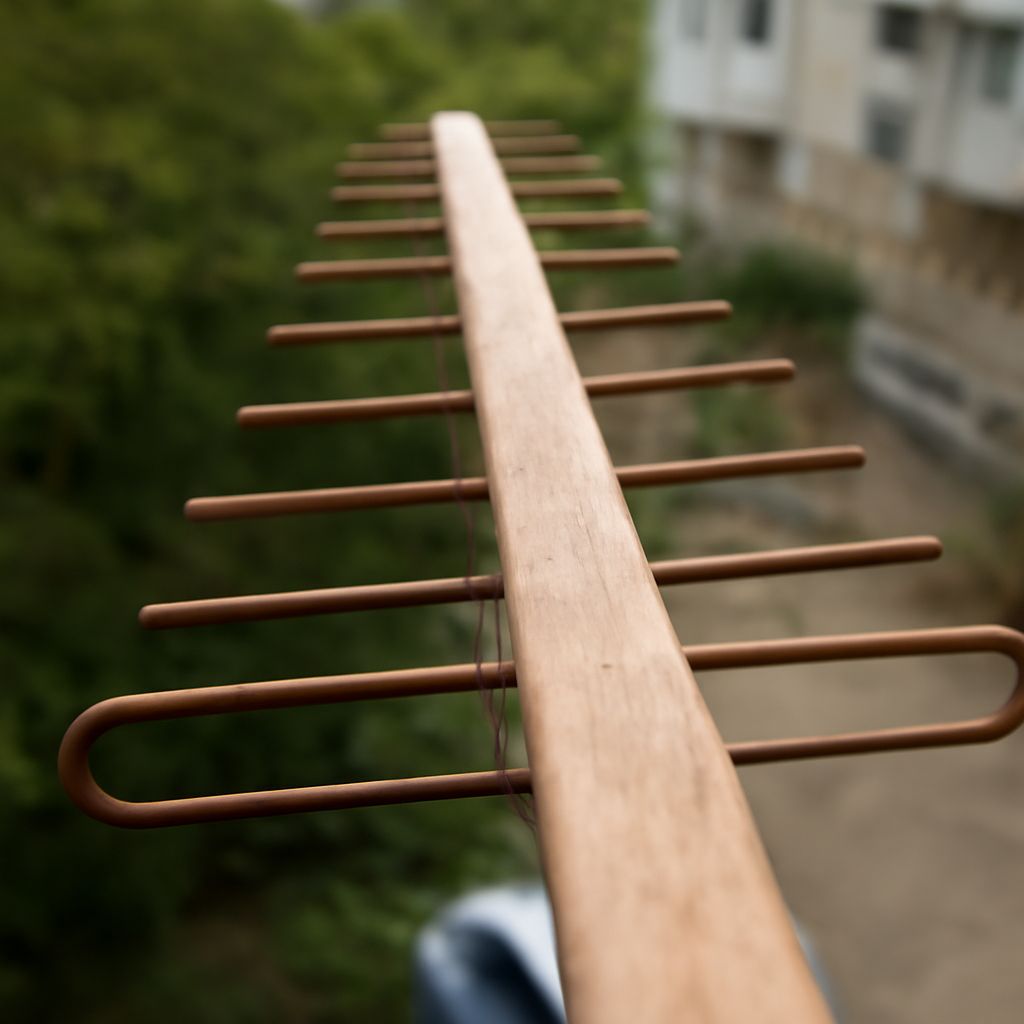
A vertical collinear homemade wifi antenna uses alternating quarter-wave and half-wave segments of solid copper wire or thin copper pipe, connected in phase to add gain in the horizontal plane. A two-element version produces approximately 5 dBi; a four-element version reaches 7–8 dBi. The coax connection at the base matches the 50-ohm impedance of the router’s antenna port. This design is the closest to a commercial omni directional antenna wifi replacement and works with any router that has external RP-SMA antenna connectors.
When to Buy Instead of Build
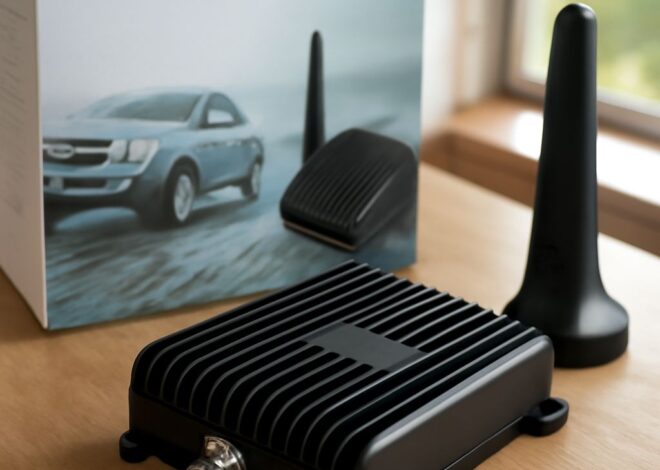
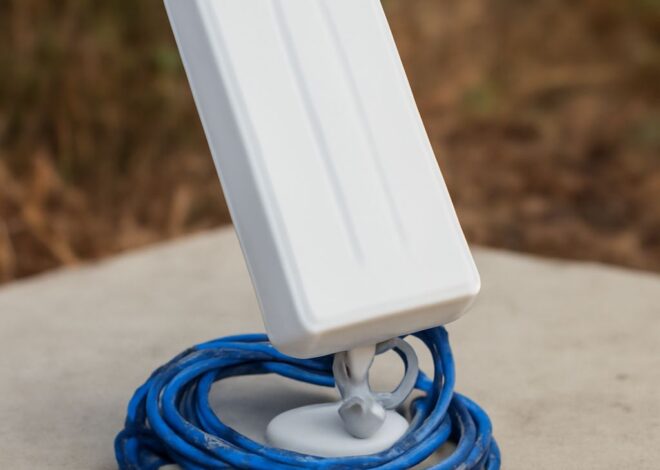
A commercial omnidirectional wifi antenna from Alfa Network, TP-Link, or Panda Wireless costs $15–$40, comes with a calibrated impedance match, and attaches directly to your router’s RP-SMA port. Building a diy wifi antenna takes 1–3 hours of precise cutting, soldering, and measurement. If your time is worth more than $15/hour, buying a commercial omni directional wifi antenna is the more economical choice for most users. Build your own if you enjoy the project, need a specific form factor, or want to understand antenna theory through direct experimentation.
Whichever approach you choose, mount the antenna vertically—a horizontal antenna polarization mismatch with a vertical router antenna cuts effective gain by 3+ dB, which more than offsets any improvement from the upgrade. Position the antenna as high as practical and in the center of the coverage area for maximum reach.