Thermal Printer Paper and Labels Guide: Types, Uses, and Buying Tips
Thermal Printer Paper and Labels: Types, Uses, and Buying Guide
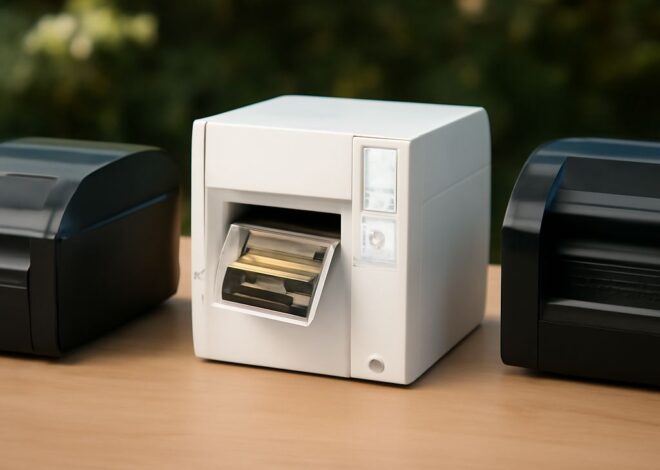
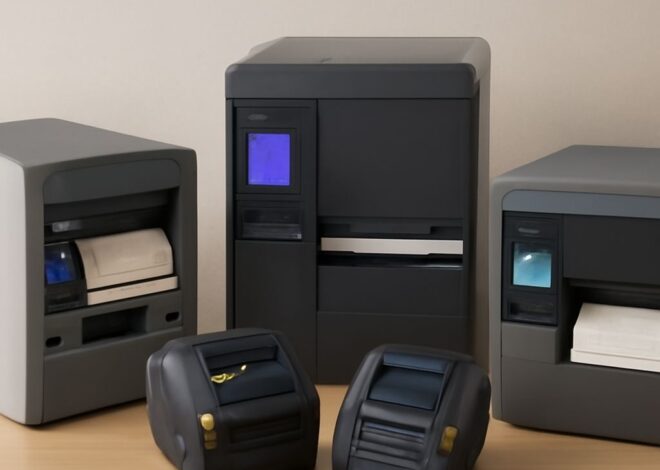
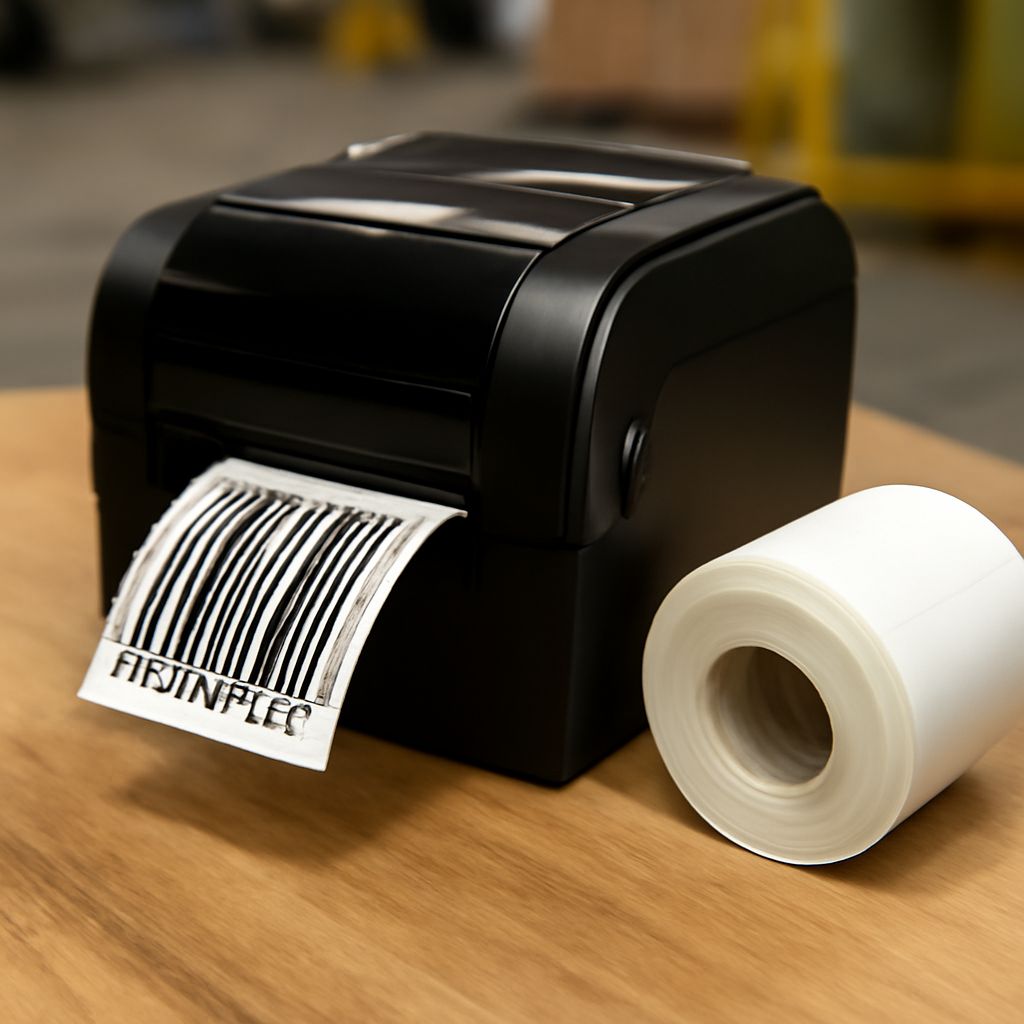
You’ve got a thermal printer sitting on your desk and you’re realizing that not all thermal printer paper is the same. The wrong roll produces faded output, jams the feed mechanism, or fails entirely when exposed to heat or moisture. Understanding the differences between thermal printer paper types saves you from wasted media and frustrated customers reading labels they can’t scan. Thermal printer labels add an adhesive backing to the same thermally reactive paper, turning your printer into a dedicated labeling station for shipping, retail, and warehousing. A thermal paper printer handles all of this without ink or toner, using heat alone to activate the dye layer in the media. The thermal wax printer takes a different approach, using a wax ribbon to transfer ink thermally onto non-reactive media for more durable output. And sourcing media through a thermal printer outlet — whether that’s a dedicated supplier or a broad office products distributor — affects both price and availability.
Here is what you need to know to buy the right thermal media for your printer and application.
Direct Thermal vs. Thermal Transfer Printing
Direct Thermal Technology
Direct thermal printing applies heat directly to thermally sensitive paper, which changes color at the heated points. No ribbon, no ink, no toner. The result is a low-maintenance printing process with fast output. The tradeoff is durability: direct thermal output fades when exposed to heat, UV light, or certain chemicals. Standard direct thermal paper suits shipping labels and receipts that don’t need to last more than a year in normal conditions.
Thermal Transfer and Wax Ribbon Printing
Thermal transfer printing uses a wax, wax-resin, or full-resin ribbon. The print head heats the ribbon, melting wax or resin onto the label stock. This produces output that resists heat, UV, and chemicals far better than direct thermal. A thermal wax printer using a wax ribbon produces labels suitable for indoor barcode and product labeling at lower cost. Wax-resin ribbons increase durability for applications with moderate chemical or moisture exposure. Full resin ribbons handle extreme conditions including outdoor weathering, laboratory chemicals, and freezer storage.
Thermal Label Types and Applications
Thermal printer label media comes in several constructions:
- Standard thermal labels: Matte white face stock on a release liner, used for shipping and product labels
- Thermal polyester labels: Film-based, resistant to tearing, moisture, and abrasion, used for asset tags and outdoor applications
- Thermal polypropylene labels: Flexible, chemical-resistant, used in food production and laboratory settings
- Thermal receipt paper: Continuous roll without an adhesive layer, used for point-of-sale and kiosk printing
Choosing the Right Paper Width and Core Size
Thermal printers are designed for specific media widths. Common widths are 2 inches, 3 inches, and 4 inches for label printers; 2.25-inch and 3.125-inch rolls for receipt printers. Using the wrong width causes media to shift during printing, producing misaligned labels. Core size (the inner cardboard tube diameter) also matters — most desktop thermal printers use a 1-inch core, while industrial printers use 3-inch cores. Check both dimensions against your printer’s spec before ordering.
Where to Buy Thermal Paper and Labels
Buying thermal media from the printer manufacturer guarantees compatibility but typically costs 30–50% more than compatible media from third-party suppliers. Amazon, Zebra Label Store, and direct distributors like LabelValue and ShipperSupplies carry compatible media at lower prices. For high-volume operations, buying media by the case from a wholesale thermal printer outlet reduces per-roll cost significantly. Always order a sample pack before committing to a case purchase with a new supplier, as media quality varies between manufacturers even when specifications appear identical.
Bottom line: match your media to your printer technology (direct thermal vs. thermal transfer), your durability requirements, and your printer’s media width spec. Buying from a reputable thermal media supplier in case quantities delivers the lowest per-label cost for high-volume operations.