5GHz WiFi Range and Long Range Bluetooth: What to Expect Outdoors
5GHz WiFi Range and Long Range Bluetooth: What to Expect Outdoors
You want to extend your wireless coverage across a property, a farm, or a large open space. Understanding 5ghz wifi range limitations and how they compare to long range bluetooth transmitter and receiver options helps you choose the right technology for the job. The two wireless standards have very different range profiles, and confusing them leads to costly equipment choices that don’t solve the actual problem.
Whether you’re planning to extend wifi 5ghz range across a warehouse, connect outbuildings with a long range wifi antenna 10km link, or set up audio streaming with a long range bluetooth receiver, the physics and hardware requirements differ significantly between use cases. This guide covers what each technology can realistically achieve and what equipment bridges the gap when standard hardware falls short.
5GHz WiFi Range: What the Standard Can Do
The 5GHz band delivers faster speeds than 2.4GHz but at a cost: shorter range. Under ideal conditions indoors, 5GHz WiFi typically covers 50 to 100 feet. Walls, floors, and furniture reduce this substantially. Outdoors in open space, a standard 5GHz access point might reach 150 to 300 feet, depending on transmit power and antenna gain.
The reason 5ghz wifi range is shorter than 2.4GHz comes down to physics. Higher frequencies attenuate more quickly in air and lose more signal when passing through solid objects. A 2.4GHz signal punches through walls more effectively, which is why it covers more physical area even though 5GHz moves data faster in clean line-of-sight conditions.
Extending WiFi 5GHz Range for Larger Properties
For properties where standard access point coverage falls short, several approaches extend wifi 5ghz range beyond what a single router can cover.
Mesh WiFi systems place multiple nodes throughout a space, each acting as an access point and passing traffic back to the router. Modern tri-band mesh systems use a dedicated 5GHz backhaul channel between nodes, keeping client traffic and backhaul traffic separate for better performance. Coverage of 5,000 to 10,000 square feet is achievable with a three-node system.
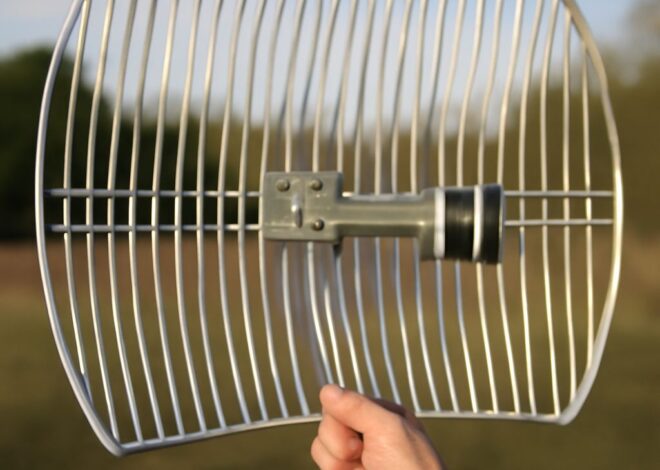
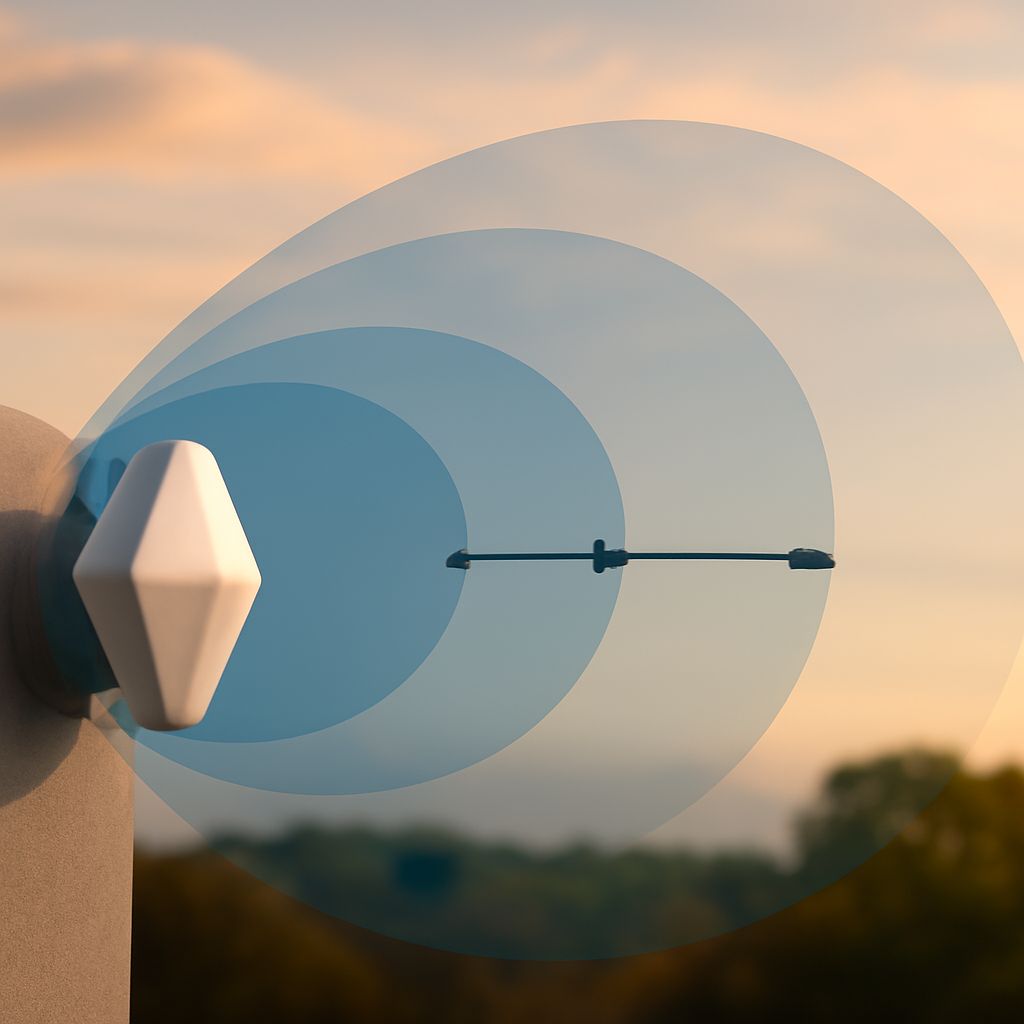
Directional antennas are another option for outdoor 5GHz extension. A high-gain directional antenna focuses the 5GHz signal into a narrow beam rather than radiating in all directions. This concentrates the available transmit power into a tighter angle, dramatically increasing range in a specific direction at the expense of coverage width.
Long Range Bluetooth Transmitter and Receiver Options
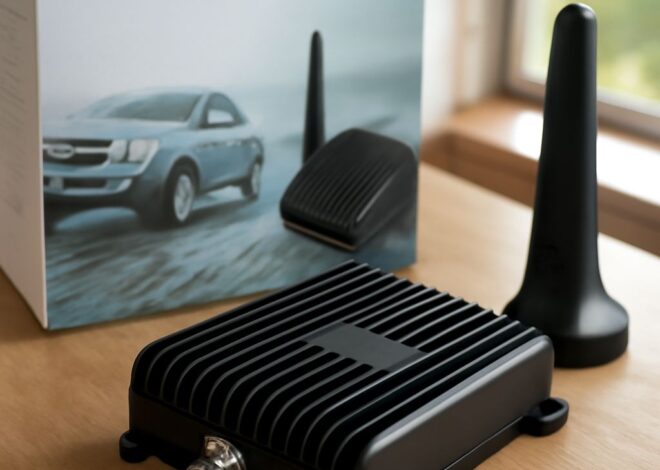
Standard Bluetooth 5.0 specifies a maximum range of around 800 feet (240 meters) in open air, though real-world performance is typically 100 to 300 feet depending on obstacles and interference. A long range bluetooth transmitter designed for extended range uses Class 1 power levels and high-gain antennas to push performance toward the theoretical maximum.
Long range bluetooth receivers pair with these transmitters for point-to-point audio links, remote speaker setups, or data transfer applications where a cable would be inconvenient. Audio streaming applications include outdoor speaker systems, barn or workshop audio fed from a house, and stage monitoring setups where running a cable creates a hazard.
For audio specifically, Bluetooth aptX HD or LDAC codecs maintain high-quality transmission at extended ranges when both the long range bluetooth transmitter and the receiving device support the same codec. Mismatched codecs fall back to SBC, which is adequate for background music but less detailed for critical listening.
Long Range WiFi Antenna 10km: Point-to-Point Bridging
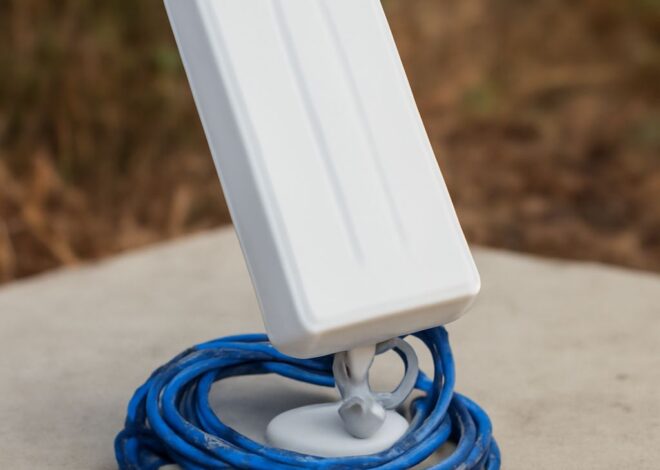
When the goal is connecting two locations across a kilometer or more, a long range wifi antenna 10km solution moves from standard consumer equipment into professional outdoor wireless bridging territory. These systems use directional antennas with 20 to 30 dBi gain, pointed precisely at each other to establish a microwave-like line-of-sight link.
Equipment from Ubiquiti (AirMax series), Cambium Networks, and MikroTik handles these distances reliably in commercial deployments. A typical 10km point-to-point link requires:
- Clear line of sight with Fresnel zone clearance (no obstructions within the first 60% of the Fresnel radius)
- Properly grounded outdoor enclosures rated for the local weather conditions
- Precise antenna alignment using the equipment’s built-in signal strength display
- Licensed or unlicensed spectrum selection based on local regulatory requirements
Throughput across a 10km link on 5GHz can reach 100 to 500 Mbps depending on equipment, alignment quality, and interference. This is more than adequate for IP cameras, SCADA systems, or connecting a remote building to a main network.
Choosing Between 5GHz WiFi and Long Range Bluetooth
The choice between extending wifi 5ghz range versus deploying a long range bluetooth receiver system depends on what you’re actually trying to accomplish.
Use 5GHz WiFi extension when you need general internet access, multiple devices connecting simultaneously, or data transfer between computers and servers. WiFi handles multi-device connectivity and bidirectional data traffic far better than Bluetooth.
Use a long range bluetooth transmitter setup when the goal is specifically audio streaming to a speaker or device, you need low-latency audio without running a cable, or you’re connecting a single audio source to a single receiver. Bluetooth is purpose-built for audio transport and consumes far less power than WiFi hardware.