3D Printer Stand and Ceramic 3D Printers: Clay Printing Explained
3D Printer Stand and Ceramic 3D Printers: Clay Printing Explained
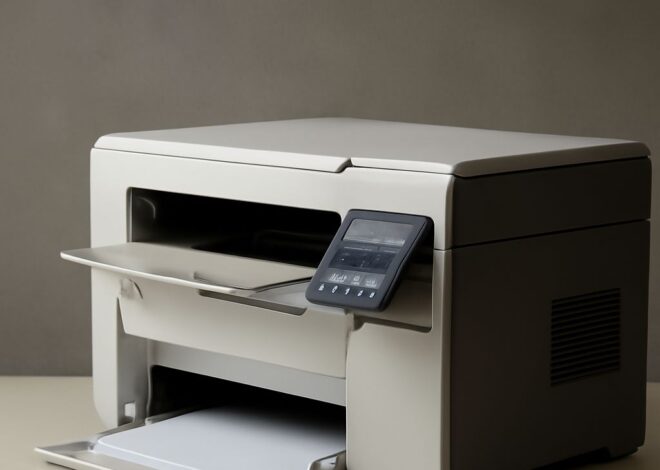
You want to organize your 3D printing setup or take it in a completely different material direction. A 3d printer stand addresses the practical workspace question: where to put the machine for safe, stable, vibration-free operation. A ceramic 3d printer or clay 3d printer answers a different question entirely: what if you could print functional pottery, sculptural art, or architectural ceramics directly from a digital file?
Whether you need a 3d printer stand to elevate your FDM machine off the floor or you’re exploring a 3d clay printer for an art studio or ceramics business, the two paths have little overlap beyond both involving 3D printing technology. This guide covers the stand options and then digs into what 3d ceramic printer systems actually deliver.
3D Printer Stand Options for FDM and Resin Machines
A 3d printer stand should do three things: provide a stable, level surface that reduces vibration transmission to the floor; position the machine at a comfortable working height; and ideally include storage for filament, tools, and accessories.
Commercial stands built specifically for popular printer models (Bambu Lab, Prusa, Creality Ender series) typically include integrated enclosure frames, side panels for temperature control, and drawer or shelf space beneath the print bed height. These purpose-built options run from $80 to $250 depending on the manufacturer and included features.
DIY stands using Lack tables from IKEA have been a community standard for years. A single Lack table costs under $15 and provides a stable, low-vibration surface for smaller printers. Stacking two tables with a filament guide creates an integrated storage and printing station for minimal investment.
For resin printers, the main stand consideration is surface protection against UV resin spills. A stand with a wipeable surface or a lip to contain spills is worth prioritizing over plain wood shelving.
What Is a Ceramic 3D Printer
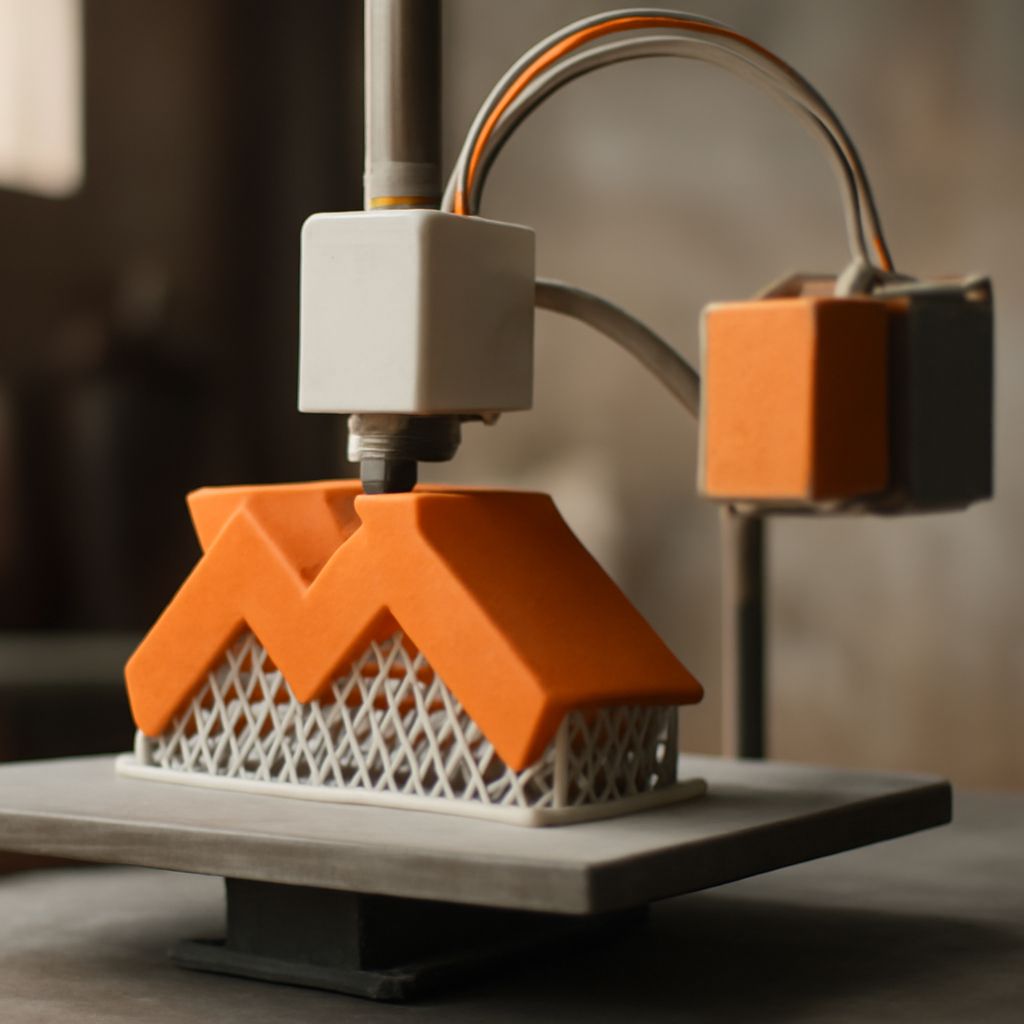
A ceramic 3d printer extrudes clay-based paste through a nozzle, building up layers the same way an FDM printer deposits melted plastic. The key difference is the material: wet clay has very different flow properties and structural behavior than thermoplastic filament.
After printing, the clay object needs to dry and then be fired in a kiln at high temperature to achieve ceramic hardness. The 3d printing step creates the green body, which is the unfired, fragile initial form. Firing transforms it into durable ceramic. This two-stage process means a 3d ceramic printer alone doesn’t produce finished ceramics without kiln access.
Clay 3D Printer Systems: How They Work
A clay 3d printer uses a pressure-fed or auger-driven extrusion head mounted on a standard 3-axis or delta motion system. The clay paste is loaded into a syringe or hopper and pushed through a nozzle typically ranging from 0.8mm to 3mm in diameter.
Layer adhesion depends on clay consistency. Too wet and layers slump; too dry and they crack at interfaces. Maintaining consistent paste viscosity throughout a print is one of the main technical challenges. Some systems include a humidity-controlled clay storage chamber to keep the paste at the correct moisture level during long prints.
Print speed is much slower than FDM due to the clay’s slower extrusion behavior and the need for each layer to partially set before the next is deposited. A medium-sized bowl might take 30 to 90 minutes to print, followed by days of careful drying before firing.
3D Ceramic Printer Applications and Limitations
The practical applications for 3d ceramic printer technology include:
- Custom pottery and tableware with complex geometric forms difficult to throw on a wheel
- Sculptural art and installation pieces at medium to large scale
- Architectural components like custom tiles and facade elements
- Dental and medical ceramics (specialized high-precision systems, not consumer clay printers)
- Educational ceramics programs exploring digital fabrication
The main limitation is scale. Most affordable clay 3d printer systems handle objects up to roughly 20x20x30 centimeters. Larger objects require industrial systems costing tens of thousands of dollars. Layer lines are also visible in the finished piece unless the surface is worked by hand before firing, which adds time to the workflow.
Key takeaways: A 3d printer stand is a low-cost, high-impact upgrade for any FDM or resin setup that improves stability and organization. A ceramic 3d printer or clay 3d printer opens up an entirely different creative and production capability, but requires kiln access and a willingness to work with clay’s unique drying and firing requirements. Match the technology to your actual output goals before investing.