Bluetooth Sport Headphones: The Complete Guide to Running Earbuds
Bluetooth Sport Headphones: The Complete Guide to Running Earbuds
You’re heading out for a morning run and your wired earbuds keep tangling in your jacket. You’ve been considering a pair of bluetooth sport headphones but aren’t sure whether over-ear or in-ear style works better for running. A dedicated set of bluetooth earbuds for running differs from everyday wireless earbuds in several meaningful ways. When you compare bluetooth headphones sport models, the critical factors are sweat resistance, fit stability, and ambient sound options for road safety. Your shortlist probably includes a few sets of bluetooth running earbuds at different price points, and you’re wondering which features are worth paying for versus which are just marketing. Choosing the right bluetooth sport earphones makes training more comfortable and consistent.
Fit and Stability for Running
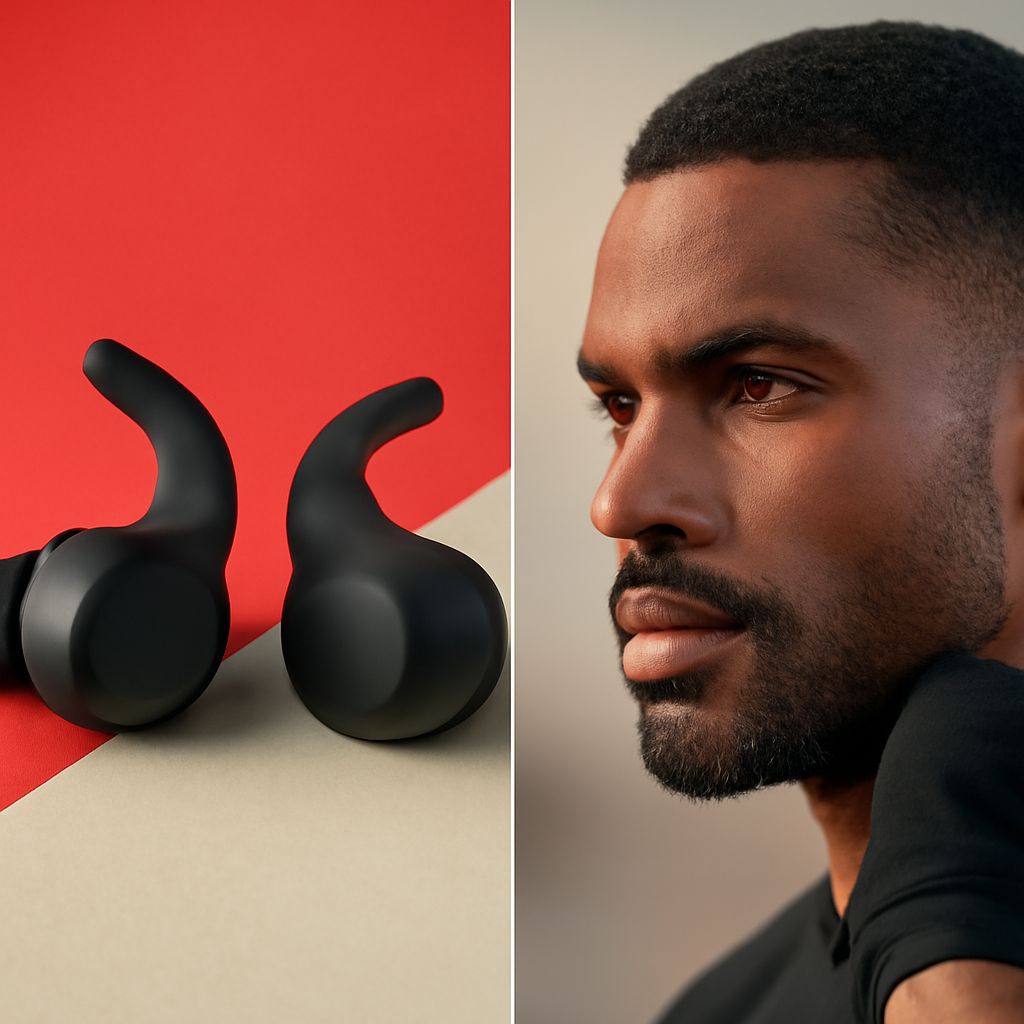
The most common complaint about wireless sport earbuds is that they fall out during faster paces or lateral movements. Bluetooth running earbuds stay in place through three mechanisms: ear tip seal, ear wing grip, and over-ear hook. In-ear Bluetooth sport earphones that rely solely on ear tip seal work for easy runs but slip at high intensity. Models with silicone ear wings — like the Jaybird Vista 2 or Beats Fit Pro — add a secondary anchor point that eliminates movement even during sprinting. Over-ear hook designs on bluetooth sport headphones add the most security but add weight and can feel warm in summer. Test any running Bluetooth earphone with a brief jump test in-store or during the return window before committing.
Ear Tip Selection for Long Runs
Foam ear tips provide better passive isolation and stay in place longer than silicone during sweaty runs. Multiple size options in your bluetooth sport earphones box matter — the default medium size rarely fits everyone. A wrong ear tip size causes both fit failures and sound quality degradation, since the acoustic seal is broken.
Water and Sweat Resistance Ratings
IPX4 bluetooth running earbuds resist splashing from any direction — sufficient for most runs. IPX5 handles low-pressure water jets, covering heavy rain and post-run rinsing. IPX7 allows submersion up to one meter for 30 minutes — relevant only for open-water swimmers. When buying Bluetooth earbuds for sport training, IPX5 is the practical minimum for outdoor runners. Do not rely on IPX4-rated bluetooth sport earphones in heavy rain over long distances; sustained exposure wears down seals over time. Always let bluetooth sport headphones dry before charging to prevent moisture damage to the USB-C port.
Ambient Sound Mode for Outdoor Safety
Road running with full noise isolation is dangerous. Bluetooth headphones sport models increasingly include a transparency mode that mixes external sound — traffic, cyclists calling out, pedestrians — into your audio stream while music plays. This feature is non-negotiable for road running. The best bluetooth running earbuds implementations allow you to adjust the ambient sound mix level rather than just toggle it on or off. On a busy urban route, full transparency is appropriate; on a trail, a partial mix maintains immersion. Confirm before buying that your target bluetooth sport earphones include this feature rather than noise-canceling only.
Battery Life and Charging for Training Schedules
Most wireless bluetooth sport earphones deliver 6–8 hours per charge with 2–4 additional charges in the case. For daily running, 6 hours per charge is usually sufficient. If you run ultras or multi-hour training blocks, prioritize bluetooth sport headphones with at least 8 hours of earbud life. Fast charging matters here: 10 minutes in the case providing 1–2 hours of playback means you can charge between warm-up and a long run. Charging case bulk is worth noting for runners who stow gear in small pockets — compact round cases are easier to carry than larger rectangular ones.
Key takeaways: Buy bluetooth sport headphones rated IPX5 or above for outdoor running. A transparency or ambient mode is essential for road safety. Choose fit style based on your pace — ear wing anchors prevent slippage better than ear tip seal alone during high-intensity running sessions.